













Register

More Moose Stalls

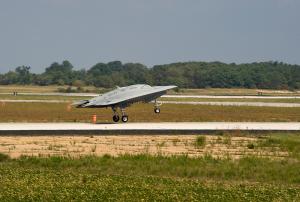
X-47B Flying
Gemini Sparkle

Key Takeaways:

  • Pilots should be aware of factors like subconsciously misperceived airspeed at low altitudes and "ham-handed" turns that can contribute to stalls.
  • A detailed, instrument-focused technique for flying circling approaches is recommended to prevent disorientation and maintain coordinated flight, especially in challenging conditions.
  • Thorough preflight checks, especially after maintenance, and understanding aircraft systems like pitch trim wiring are crucial; pilots should also practice flying with full trim stops to prepare for emergencies like pitch trim runaway.
See a mistake? Contact us.

I read with interest Colleen Mondor’s “Moose Stalls” piece in the May issue. As a pilot who avoids both scouting for moose and low-altitude turns, I wonder if there’s another factor. At low altitude, a pilot likely subconsciously perceives the greater relative motion of the aircraft over the ground as greater airspeed, perhaps leading the pilot to think she/he has a greater cushion above stall speed than actual. This, coupled with a ham-handed turn, complete with crossed controls while trying to keep a spot on the ground in sight, adds up to trouble.

Drake Hokanson – La Crosse, Wis.

Ready to Sell Your Aircraft?

List your airplane on AircraftForSale.com and reach qualified buyers.

List Your Aircraft
AircraftForSale Logo | FLYING Logo
Pilot in aircraft
Sign-up for newsletters & special offers!

Get the latest stories & special offers delivered directly to your inbox.

SUBSCRIBE
