









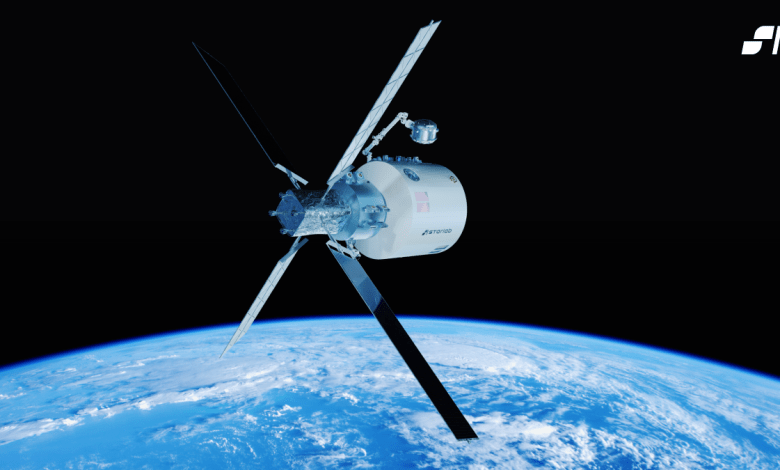
SpaceX’s Starship Selected to Launch Starlab Space Station
The free-flying commercial space station will permanently host four crewmembers and is scheduled to launch before the International Space Station’s decommissioning.


The free-flying commercial space station will permanently host four crewmembers and is scheduled to launch before the International Space Station’s decommissioning.
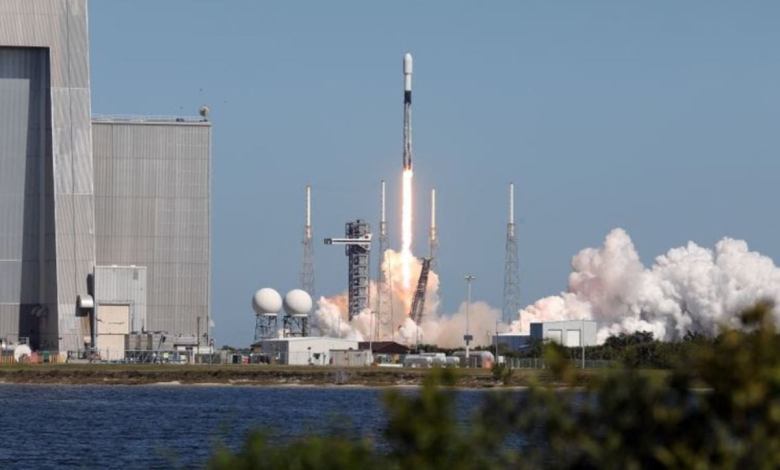
A SpaceX Falcon 9 rocket launched the payload of more than 8,200 pounds of critical supplies headed to the International Space Station.
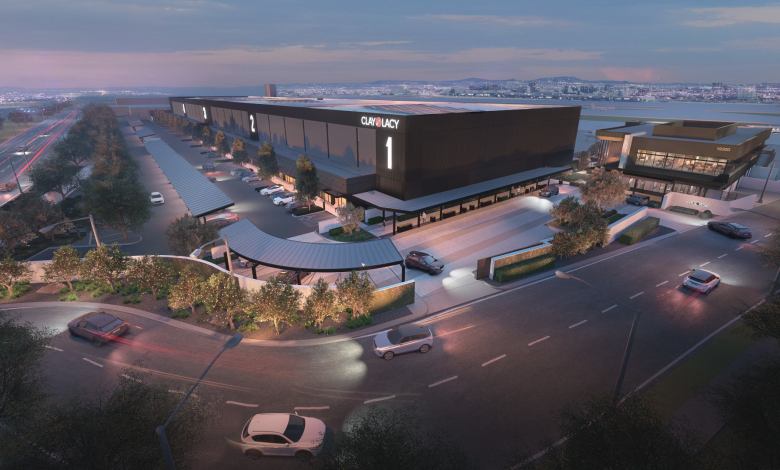
We cover Clay Lacy Aviation’s partnership with air taxi manufacturer Overair and plenty more in this week’s Future of FLYING newsletter.
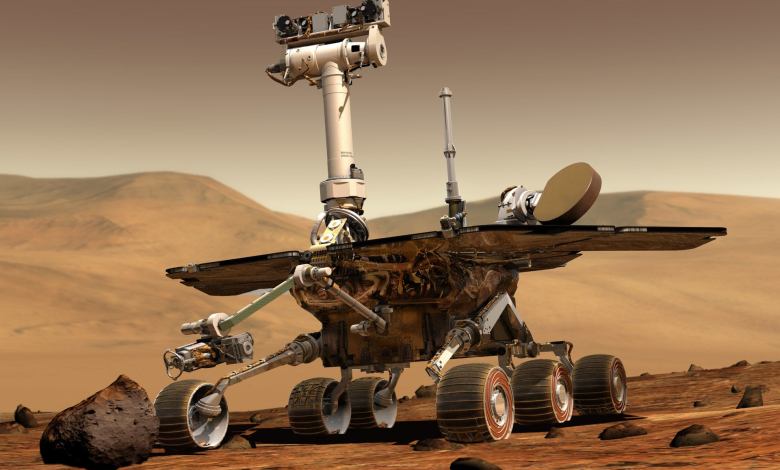
The two spacecraft landed on Mars in January 2004, giving scientists the first evidence the red planet once held water.
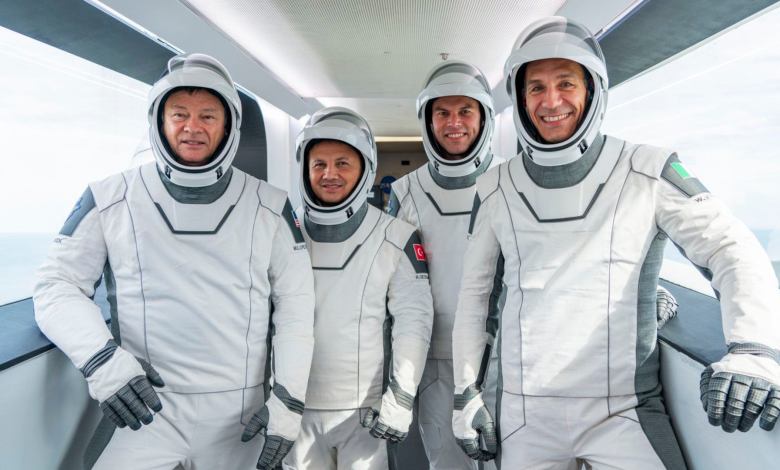
The mission arranged by Axiom Space will research cancer cures, remote-controlled robots, space horticulture, microgravity, and more.
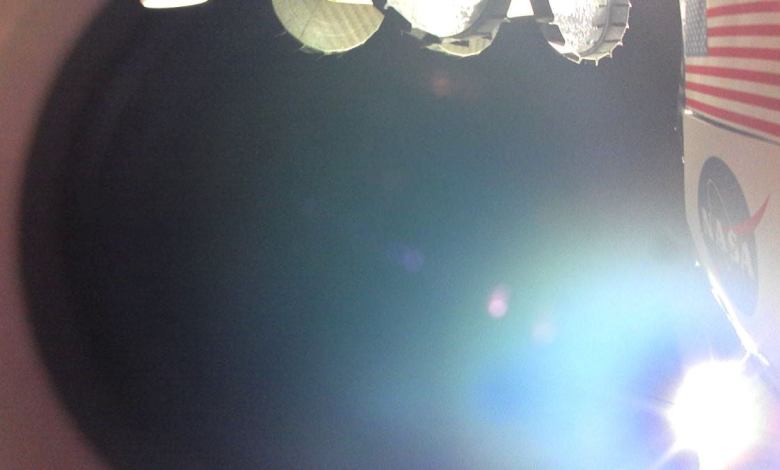
Despite the failure to land on the moon as planned, NASA said four out of five of its payloads on Peregrine were able to collect data in flight.
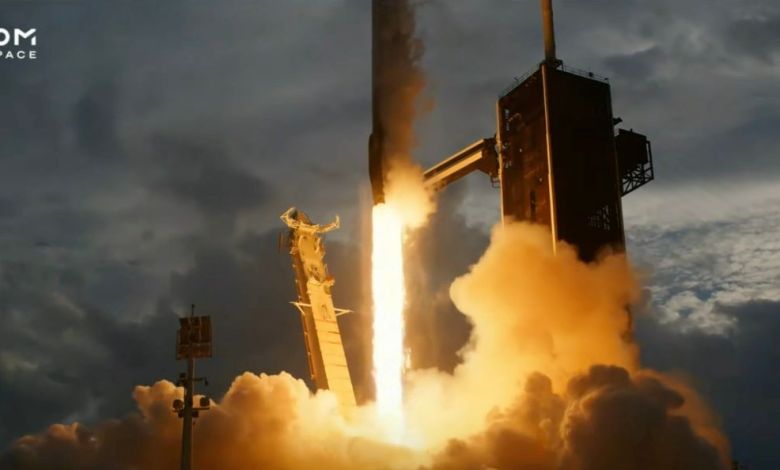
Once they arrive at ISS, the Axiom Space astronauts will conduct 30 scientific experiments that NASA says will help advance research in low-Earth orbit.
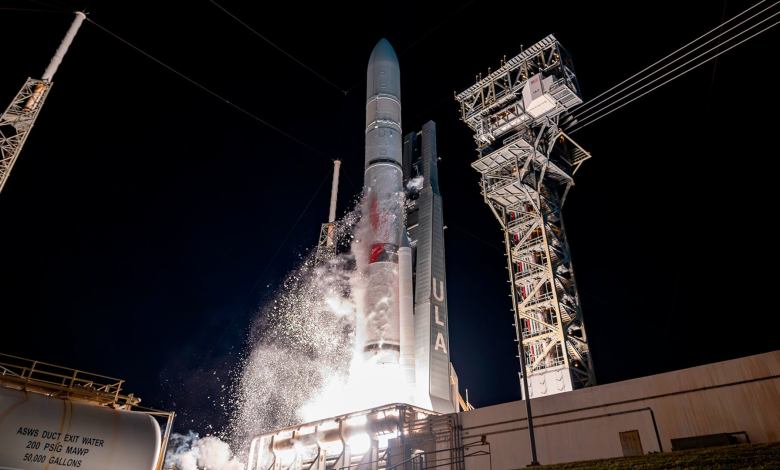
This week’s moon mission won’t be the last in 2024 for NASA…or Astrobotic, the company behind Monday’s launch.
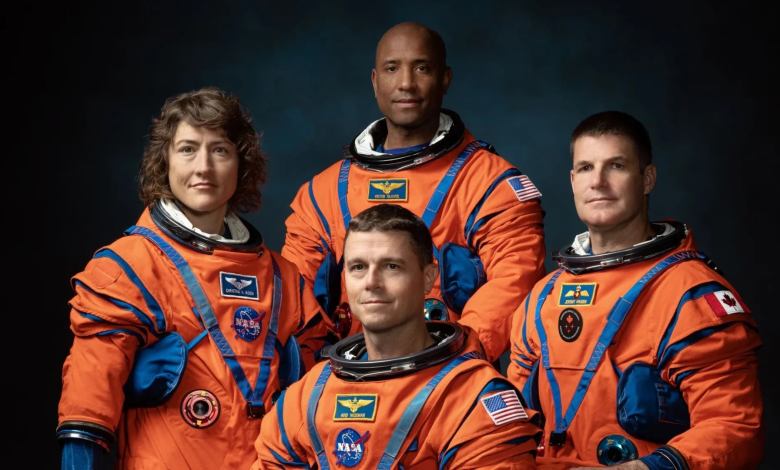
The second and third missions in the space agency’s Artemis program—which seeks to return Americans to the moon—were each delayed nearly one year.
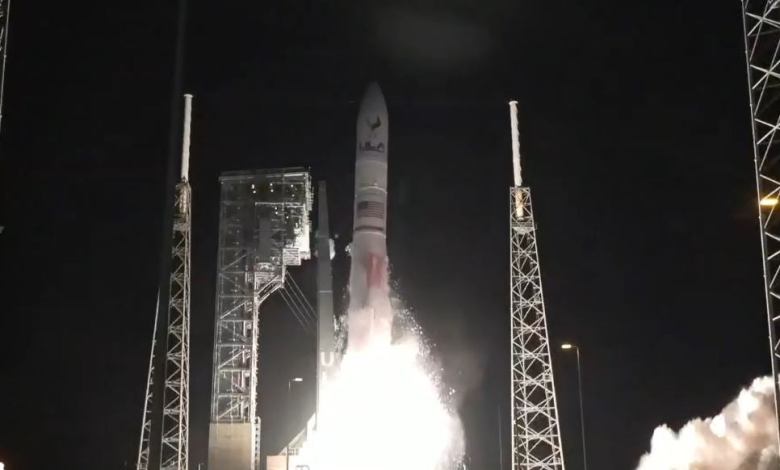
United Launch Alliance’s (ULA) Vulcan rocket payload included Astrobotic’s Peregrine Lunar Lander.

Get the latest stories & special offers delivered directly to your inbox.
SUBSCRIBE