











Loss of Control Is Still a Very Real Issue
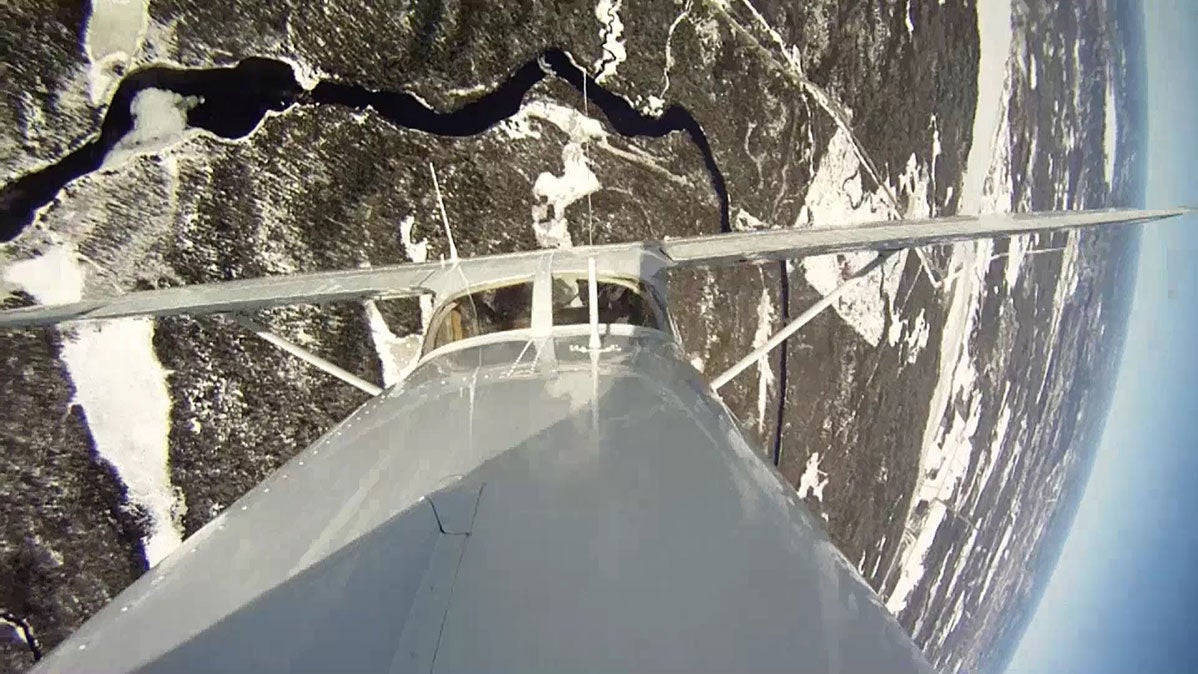
Loss of control accidents have declined but not disappeared in the U.S. Sudbury Aviation
Gemini Sparkle

Key Takeaways:

  • Loss of control (LOC) remains a leading cause of fatal accidents worldwide, despite a decline in U.S. commercial aviation, as demonstrated by a recent fatal Hawker 700 crash.
  • A Boeing 757 near-LOC incident during a go-around highlighted critical issues with auto-flight system management and crew situational awareness, particularly when "startled."
  • During the 757 incident, the SIC's engagement of the "altitude capture" function without PIC awareness led to an uncontrolled high pitch, excessive climb rate, and dangerously low airspeed.
  • The event emphasized the necessity for improved auto-flight monitoring, better crew communication, earlier PIC intervention, and enhanced training on go-around procedures.
See a mistake? Contact us.

Although loss of control accidents have declined on the commercial side of U.S. air transportation, the data shouldn’t lull pilots of any size aircraft into believing the top cause of fatal accidents around the world has been reined in, a point demonstrated when the pilots of a chartered Hawker 700 lost control of their aircraft on approach to Akron, Ohio, last year. The subsequent crash killed all nine people on board.

A near loss of control occurred aboard a Boeing 757 this past February, during an unexpected go-around at Bristol, England. The incident, reported by the UK’s Air Accidents Investigation Branch (AAIB), demonstrated why loss of control, especially in relation to operation of an aircraft’s auto-flight system continues to demand attention.

The PIC had nearly 18,000 flying hours under his belt, with just over 6,700 in the 757. The SIC was on his first line-training flight after returning to flying duties following a five-and-a-half month hiatus for medical issues. The winds at Bristol were gusty as the Boeing began the approach with the SIC flying the aircraft. The arrival became destabilized at about 300 feet AGL when the aircraft drifted high and to the left of the approach path. The PIC called for a go-around with the aircraft 120 feet above the ground.

The SIC initiated the go-around maneuver as the PIC brought the flaps to the 5-degree setting, although the aircraft was not accelerating, followed by his retracting the landing gear. The SIC engaged the autopilot and quickly thereafter the “altitude capture” function, but failed to mention the action to the captain. The “Alt Cap” function pitched the aircraft based on the nearly 150-knot airspeed in place at the time of the go-around due to the winds. With the gear up, the AAIB report said the autoflight system pitched the 757’s nose up 22 degrees above the 19 the flight director was already commanding, creating a climb rate in excess of 6,000 fpm. The airspeed eventually dropped as low as 110 knots, although the stick shaker did not activate. At some point during these massive pitch and airspeed fluctuations, the captain took control of the aircraft and flew a visual pattern back to a safe landing at Bristol.

In the final analysis, the AAIB explained the degraded situational awareness of the crew by stating they were “startled, which affected their performance.” The PIC said that although no one was injured, the event highlighted the need for better autoflight monitoring. He also said he should have intervened on the SIC handling of the situation much sooner. The report said the aircraft operator gave both pilots additional training before returning them to line flying and also implemented an improved focus on two-engine go-around procedures.

Rob Mark

Rob Mark is an award-winning journalist, business jet pilot, flight instructor, and blogger.

Ready to Sell Your Aircraft?

List your airplane on AircraftForSale.com and reach qualified buyers.

List Your Aircraft
AircraftForSale Logo | FLYING Logo
Pilot in aircraft
Sign-up for newsletters & special offers!

Get the latest stories & special offers delivered directly to your inbox.

SUBSCRIBE



