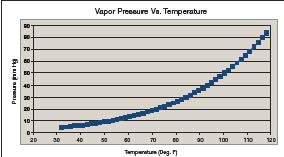
My previous remarks about density versus humidity were not about quantitative calculations of density. I merely presented a simple way of understanding why it is that on a humid day, other factors being equal, we need to anticipate a modest decrease in aircraft performance.
Humid air is less dense than dry air, leading to a modest decrease in aircraft performance (e.g., a nearly 1% density drop at 100% humidity is comparable to a 5-degree F temperature increase) and impacting density altitude computations.
GPS-derived altitude can significantly differ from barometric (MSL) altitude, potentially by hundreds of feet, serving as a warning for pilots not to solely rely on it, especially from backup instruments.
The article also briefly highlights concerns about pilot risk management, criticizing a scenario where a low-hour VFR pilot took excessive risks in challenging conditions.
My previous remarks about density versus humidity were not about quantitative calculations of density. I merely presented a simple way of understanding why it is that on a humid day, other factors being equal, we need to anticipate a modest decrease in aircraft performance.
288
CREATE A FREE ACCOUNT
Sign up to keep reading
Create a free account to continue. Already a member? Sign in below.