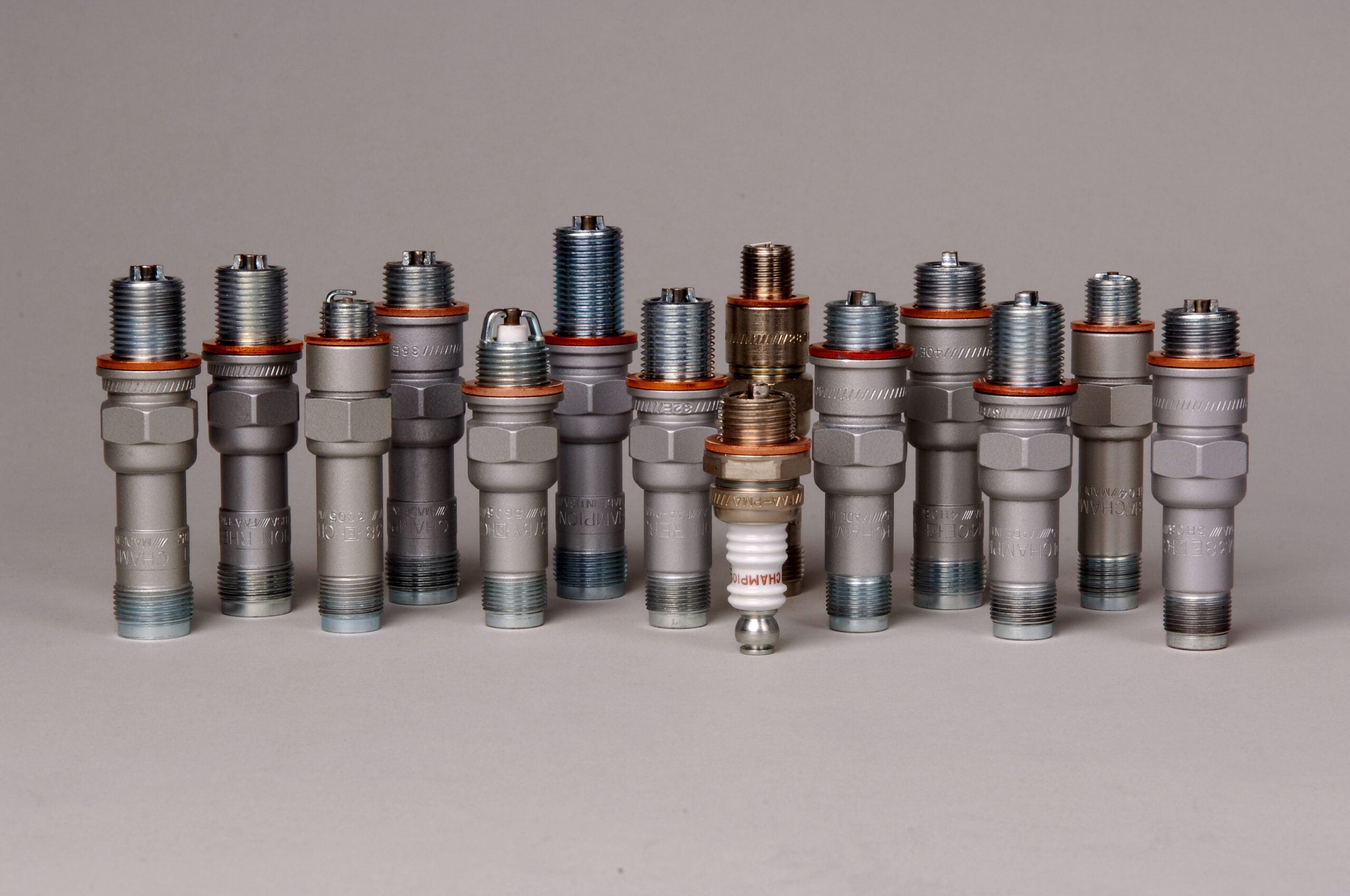
Aviation spark plugs primarily come in two types: massive electrode (durable, cost-effective with a lifespan of 300-500 hours) and fine-wire (superior performance, longer lifespan of 2,000+ hours, but at a significantly higher cost).
The selection of spark plugs depends on specific aircraft requirements and flying activity, balancing factors like durability, cost-effectiveness, and engine performance.
Crucial maintenance practices include regular inspections (every 100 flight hours), careful cleaning, ensuring the correct gap, and timely replacement according to manufacturer recommendations.
Over-cleaning spark plugs can prematurely wear out electrodes and insulators, preventing them from reaching their full lifespan, and should be avoided.
Pilots and A&P mechanics can bond over setting spark plug gaps or tossing them if they fail to meet muster.
Diving deeper into the world of aviation spark plugs, we will pull back the cowling and affix our inspection mirror to discuss the types commonly used in different aircraft models, insights into their maintenance, and recommendations for their replacement.
CREATE A FREE ACCOUNT
Sign up to keep reading
Create a free account to continue. Already a member? Sign in below.
Richard is a US Navy Veteran, A&P Mechanic, and Embry-Riddle Aeronautical University alumni. His experience ranges from general and corporate aviation to helicopters, business jets, and commercial airliners. Former owner of a 145 repair station, he currently has an aerospace product management role and is a member of the T-C-Alliance. Follow him on X (Twitter) at @RScarCo.