















Register

Is It Time to Make the Turbine Transition?

Step up from a high-performance four-seat piston aircraft and step out in style with a new cabin-class owner-flown six-seater.

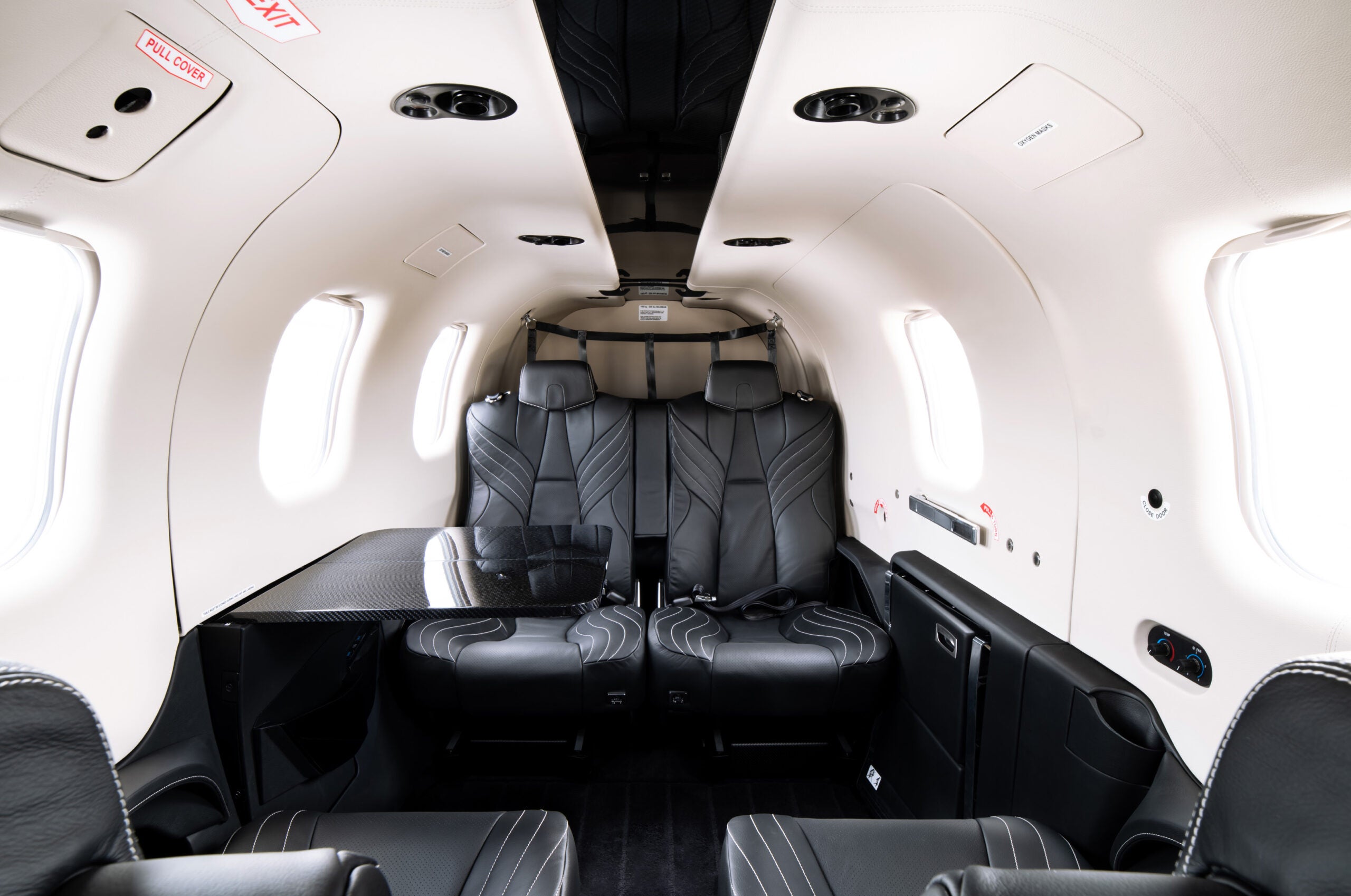
Inside the cabin of a Daher TBM 910. [Courtesy: Daher]
Gemini Sparkle

Key Takeaways:

  • Pilots frequently seek to upgrade from high-performance piston aircraft, notably Cirrus models, to single-pilot turbine aircraft for increased speed, altitude, and passenger/cargo capacity.
  • This transition demands careful planning and due diligence, focusing on defining the aircraft's mission, navigating strict insurance requirements (heavily influenced by pilot age and experience), and committing to intensive simulator-based training.
  • Turbine ownership also entails significantly higher operating and maintenance costs, making professional aircraft management highly recommended for successful and fiscally sound operations.
See a mistake? Contact us.

Aircraft owners at one point or another have all uttered a common sentiment: “It’s a great airplane, but I just wish it were a little faster…and could climb above the weather…and had pressurization…” Aircraft manufacturers heard that pilot’s lament long ago and have made most satisfying piles of cash by responding to it. Strategically, they’ve sold new pilots one of their more modest models, and then made it easy and reasonable to step up to more performance, larger cabins, deicing, turbocharging, pressurization, turbine power, and cruise speeds well above 200 knots. During the 1970s, Cessna even came to offer the first single-pilot jets with the Citation I and II SP, creating the world of the owner-flown turbojet.

Then came Cirrus. The SR20 entered the scene in the mid-1990s outperforming everything in its class, even with fixed gear. To the amazement of many, it was also used as a trainer, and new Cirrus pilots increasingly learned to fly and move up the ratings food chain. 

Rick Durden

Rick Durden has written for Aviation Consumer since 1994 and specializes in aviation law. He is an active CFII and holds an ATP with type ratings in the Douglas DC-3 and Cessna Citation. He is the author of The Thinking Pilot’s Flight Manual or, How to Survive Flying Little Airplanes and Have a Ball Doing It, Volumes 1 & 2.

Ready to Sell Your Aircraft?

List your airplane on AircraftForSale.com and reach qualified buyers.

List Your Aircraft
AircraftForSale Logo | FLYING Logo
Pilot in aircraft
Sign-up for newsletters & special offers!

Get the latest stories & special offers delivered directly to your inbox.

SUBSCRIBE

