













Register

Inflight Weather Briefings

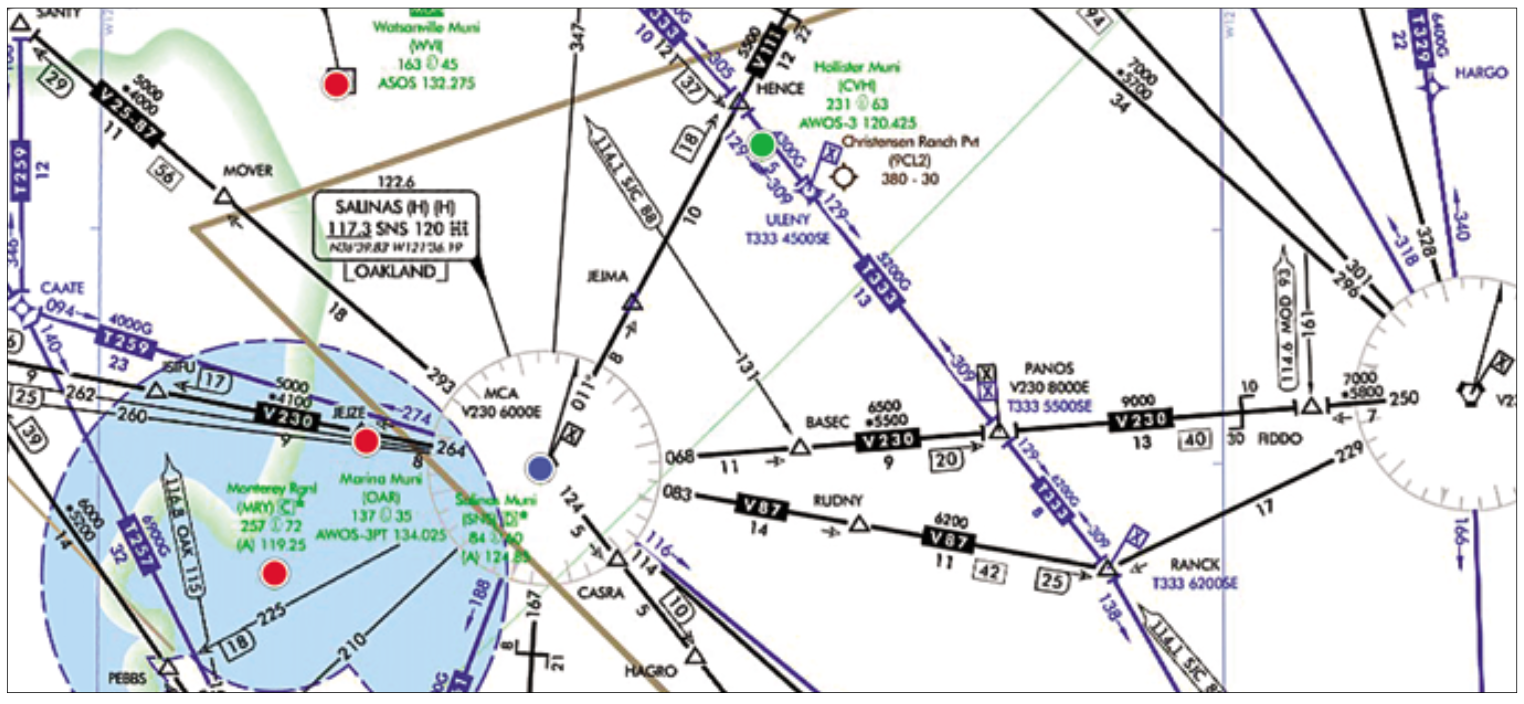
Some electronic flight bags, like ForeFlight, shown, can color-code the weather at nearby airports with official observations. This screenshot shows Monterey and other coastal stations are reporting IFR (red) while Salinas (blue) and Hollister (green) have at least MVFR.
Gemini Sparkle

Key Takeaways:

  • Modern in-cockpit weather systems like ADS-B and EFBs provide significantly more real-time data than past methods, empowering pilots with better information for decision-making.
  • These advanced systems are not without limitations, including potential equipment connectivity issues, data latency (e.g., Nexrad imagery can be 20 minutes old), and discrepancies between different cockpit devices.
  • Despite technological advancements, pilots must still actively interpret weather data, apply fundamental aviation knowledge, and prioritize visual observation ("looking out the window") for both weather and traffic, as technology does not replace pilot judgment or basic airmanship.
See a mistake? Contact us.

(Editor’s Note: This is the second contribution to a multi-part series on going beyond the standard preflight weather briefing to find the details underlying what our EFBs tell us. Look for subsequent installments in future issues.)

The forecast for Monterey, California (KMRY), advertised clear weather for the whole day. This didn’t make any sense, because the airport is right next to Monterey Bay and the ILS approach starts out over the Pacific Ocean. I was visiting pilot friends, and we all looked at the forecast together, agreeing that it was strange. But the forecast said clear and with no alternate required, I didn’t file one.


Ready to Sell Your Aircraft?

List your airplane on AircraftForSale.com and reach qualified buyers.

List Your Aircraft
AircraftForSale Logo | FLYING Logo
Pilot in aircraft
Sign-up for newsletters & special offers!

Get the latest stories & special offers delivered directly to your inbox.

SUBSCRIBE