IFR Magazine

Briefing: October 2018

This years AirVenture at Oshkosh was about as close as one could imagine to perfect, said EAA chairman Jack Pelton. Attendance set a new record, with about 601,000 visitors, nearly 2 percent more than last years record crowd. Pelton credited the combination of outstanding programs, aircraft variety, a robust economy and good weather, plus the efforts of EAA staff and 5000 volunteers, who created a show that was upbeat and exciting. Planning is already underway for AirVenture 2019, which will run from July 22 to 28. That show will celebrate EAAs 50th consecutive year in Oshkosh.

Read More »

Pilot Shortage?

The normal path for a fledgling airline pilot is to build his/her hours-traditionally as a CFI for pitifully low pay-and get a job with a regional carrier. That new first officer had an average starting pay in the mid-$20/hour range just a few years ago, before the hype of the pilot shortage. Second-year pay jumped nicely, sometimes as much as 50%, but then it stagnated at a few percent a year. A fifth-year first officer might have been making into $40-some/hour.

Read More »

Readback: October 2018

Many pilots want to fly IFR more often but dont quite remember how. If you addressed more of the basics and less of the quirky and obscure perhaps more pilots would actually benefit. One example would be to have a product published for particular regions or states of the country and present examples each month of airports and approaches for that particular area. This would give the local pilot community more opportunity to fly their local approaches and visit our local airports more often.

Read More »

Advanced Autopilot Use

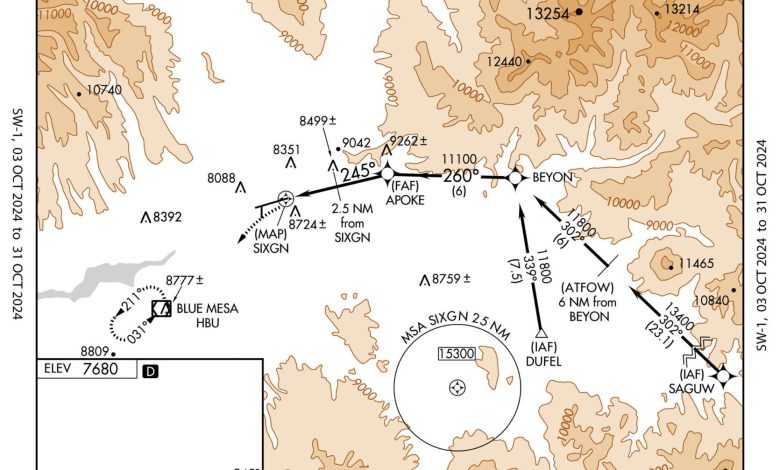
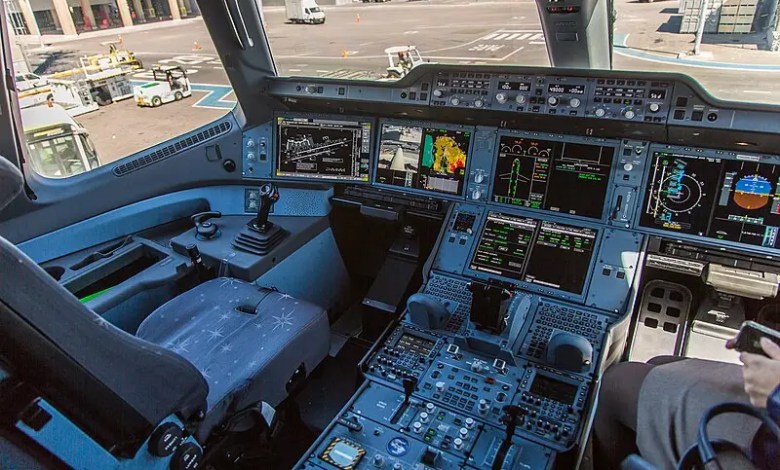
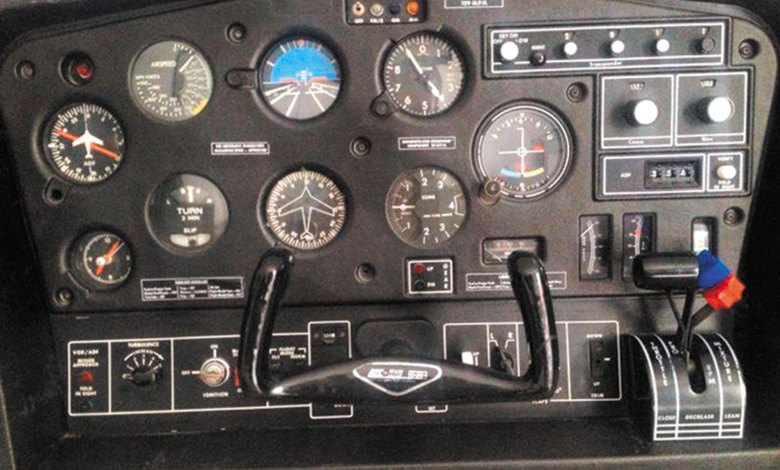
Suppose that I am faced with an either-or situation with my autopilot. If I were told I couldnt use the autopilot at either cruise or while being vectored and flying an approach, Id chose to use it on approach. Sure, autopilots help relieve the tedium of long cross-country flights, but they regularly change a stressful approach into a rewarding experience. Lets look at some general tips, then take a close look at how to get the most from your autopilot on approach.

Read More »

Communication Clarity

How about airplanes already on the ramp? Maybe an airliner advises hes pushing back, but another ones already pushed in his way. Well say, Use caution, Boeing 737 pushed back behind you. Advise ready to taxi. Its both a safety and a time reminder. Watch out for the other guy, and it may be a couple minutes before he can push. Were well aware airlines typically have ramp personnel wing-walking beside them, checking for obstacles. However, stuff happens. Were just covering our bases.

Read More »

Too Many Approaches

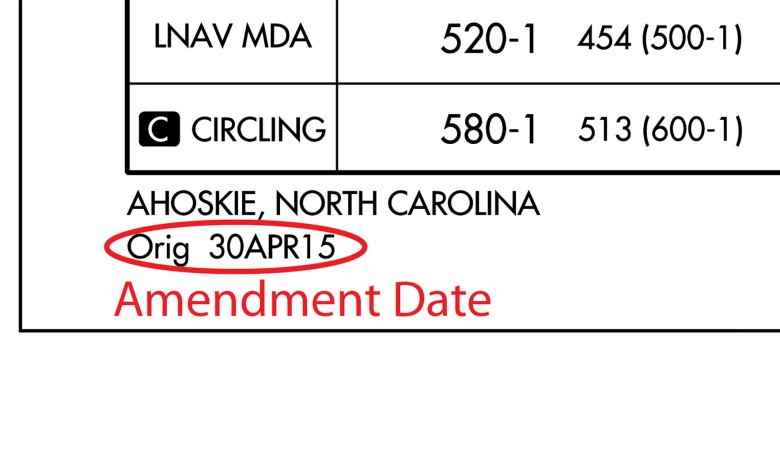
One commenter expressed approval of the cancellation of a circling procedure only if all runways accessible by the procedure have a straight-in IAP with lower minimums than in the canceled procedure. The FAA replied that its policy is not meant to assure straight-in IAPs for every runway end, but rather to minimize redundancy. While cancelling some circling procedures might reduce airport accessibility, runway availability will be unaffected. You might have to fly further to get access to your approach, but its availability will stay the same.

Read More »

Not Enough Departures

The ATC Handbook, FAA Order 7110.65, Paragraph 4-2-8 directs controllers to ask this of VFR aircraft seeking an IFR clearance in the air until they reach the minimum IFR altitude (MIA), typically, ATCs minimum vectoring altitude or the published MEA. If the pilot is able to maintain terrain and obstruction separation, the Handbook states, issue the appropriate clearance… If unable to maintain terrain and obstruction separation, instruct the pilot to maintain VFR and to state intentions.

Read More »

Avionics Human Factors

Pilots were (and still are) over using automation, resulting in too much head-down button-pushing. The result was (is) an increase in situational awareness errors and loss-of-separation in particular. One flight crew got so absorbed entering a simple runway sidestep that they landed without a clearance. As the presenter advised, sometimes its better to reduce the level of automation for a given task. He summed it up nicely-were pilots, not automation managers; fly the plane first and keep up those manual skills.

Read More »

Weather Rules of Thumb

All of these have different scales, ranging from hours and a few miles with the mountain breeze to thousands of miles and days to weeks with trade winds. Knowing which circulation normally affects your weather and which is dominant at the moment is what I would call one of the secrets to understanding the forecast. If the wind direction is normally 150 degrees on September afternoons, seeing 120 degrees tells you the wind is driven by something different.

Read More »
Pilot in aircraft
Sign-up for newsletters & special offers!

Get the latest stories & special offers delivered directly to your inbox.

SUBSCRIBE