Download the Full March 2020 Issue PDF
- Special VFR
- Going Glass
- Milestones
- Wake Turbulance II
- Unusual Attitudes
We’re pleased to present to you IFR’s brand-new website. On the site, you’ll find more than a thousand articles, lessons and reenactments to keep your instrument skills sharp and your flying safe. The archived content is free and open to all users. Recently published articles as well as our issue PDFs, are available to paid […]
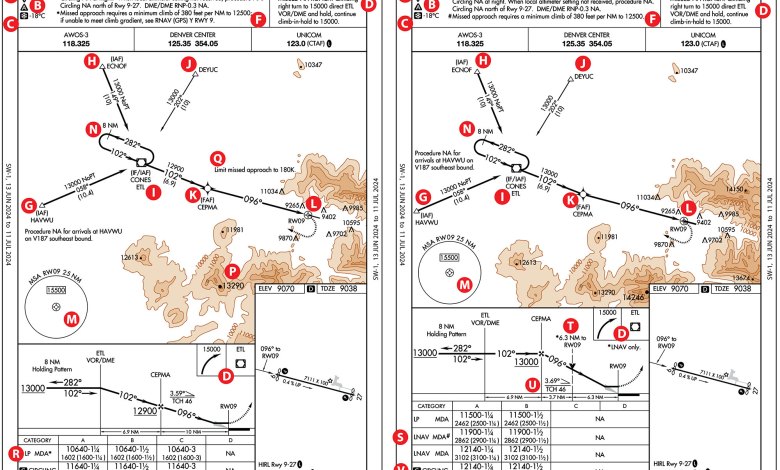
Recently the FAA learned of some pilot confusion regarding compliance with climb gradients on IFR departures and/or missed approaches. Assuage the FAA’s angst and fly safer by demonstrating that you completely understand climb gradients through this quiz.
Things are getting busy approaching Trenton, Tennessee, Gibson County (KTGC), even though its not that bad. But the skies are grey enough to make you squint as you enter the overcast. Youve also entered, as youll soon find out, the murky realm of the regs. A cold crust of rime clings to the aluminum and probably the antennas, so youre anxious to get into that toasty hangar at TGC. Worse, the suns going down and the gyros acting up. So any shortcuts (safe and legal, of course) would be great right about now.
In 2015, the FAA began looking to rationalize ILS approaches. In this context, rationalize means cut. The following year, the FAA developed a cost/benefit quantitative model and conducted an analysis at about 2900 airports with few or no RNAV SIDs or STARs. The finished product was a plan to decommission Cat I ILS approaches at some of these airports between 2020-2030. Before a decision was reached, the project was shelved in 2017.
In case you have any interest or desire in hanging out with the ghosts of movie actors, head on over to the HLYWD ONE ARRIVAL at Los Angeles (KLAX). There you will find Marilyn Monroe (MNROE), Bette Midler (MDLER), Steve McQueen (MCQWN), Clint Eastwood (ESTWD), Paul Newman (NWMAN), Charlie Chaplin (CHPLN), Clark Gable (GABBL) and Henry Fonda or one of his children (FNNDA).
Harbour Air flew a De Havilland Beaver on floats on pure electric power for the first time in early December as the first step in its program to fully electrify its fleet of historic seaplanes. The Vancouver-based airline serves dozens of communities off British Columbia’s west coast and most of its flights are 30 minutes or less so the company believes new advances in battery technology will enable it to safely carry out the dozens of commercial passenger flights it operates every day. The December flight was a demonstration of the motor in a plane near its gross weight with batteries and lasted about 15 minutes. CEO Greg McDougall lifted the almost-70-year-old airframe off the Fraser River and later reported that it flew like a Beaver. He said newer, lighter batteries that are becoming available will allow room for passengers and cargo and the savings on maintenance and downtime will ultimately pay off.
Weve all lamented the frequent difference between legal, safe, and even occasionally right. I just got slapped with a many-thousand dollar reminder of that whole concept.
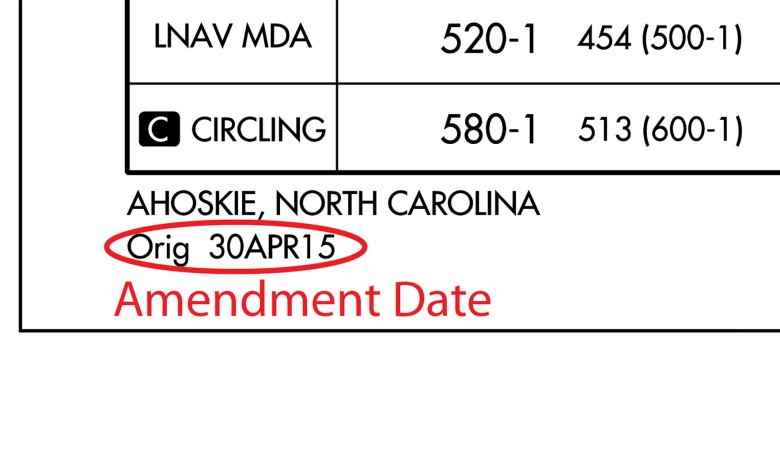
I noted an interesting change to the Instrument Rating ACS released back in June last year. It used to be that per the ACS, a circling approach required a heading change of at least 90 degrees from the final approach course to the landing runway. That requirement is now gone, replaced with the requirement to Visually maneuver to a base or downwind leg appropriate for the landing runway and environmental conditions. Also, new language was added saying the pilot must not bank over 30 degrees.