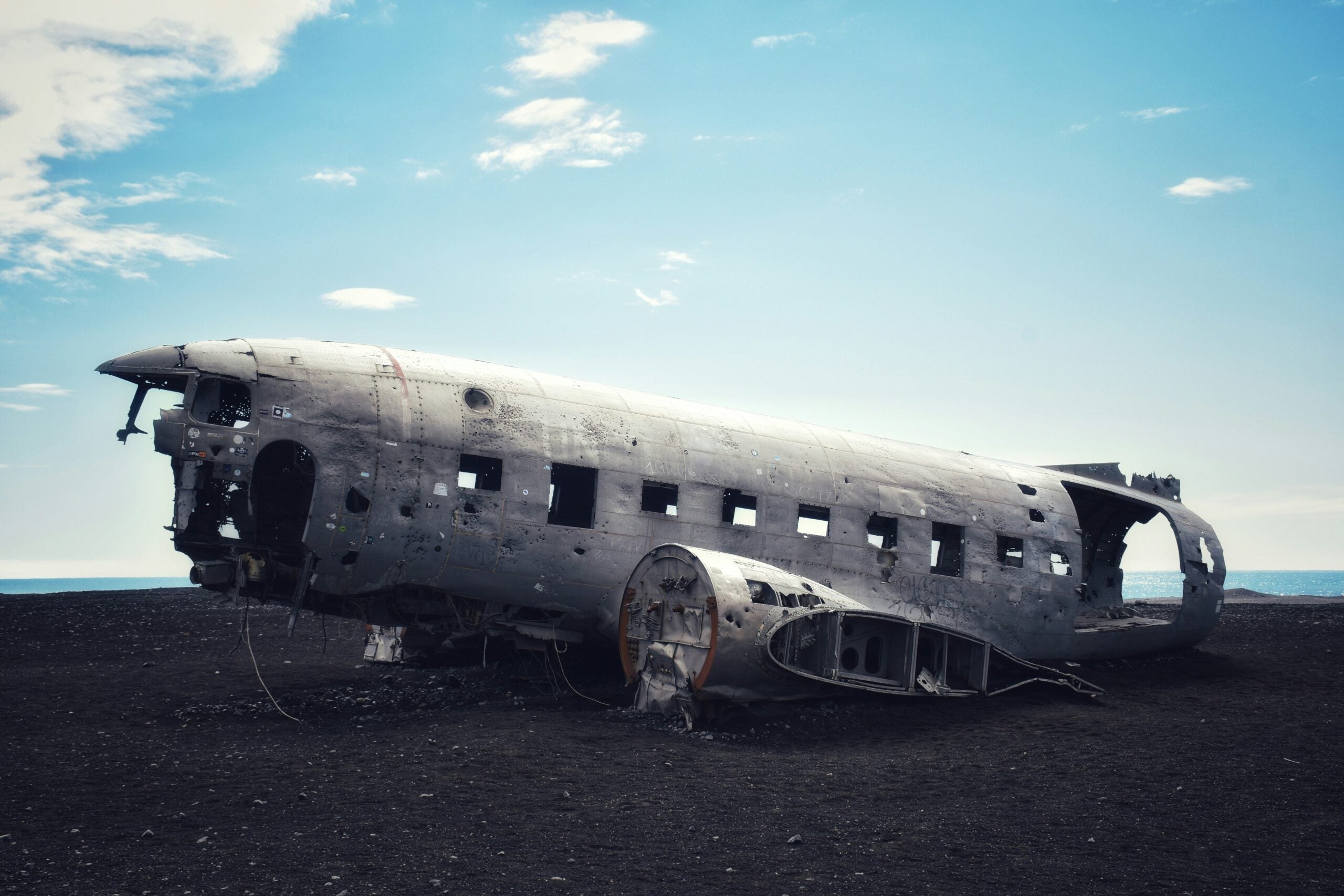
Corrosion occurs as metals seek to revert to their natural state. [Credit: Jean Vella/ Unsplash]
Key Takeaways:
Corrosion is a long-standing and persistent threat to aircraft, impacting both metal and wooden components.
It manifests differently, appearing as "dry rot" caused by moisture and fungus in wood, and as electrochemical deterioration in metals requiring specific conditions (anode, cathode, electrolyte, and electrical contact).
Considered a "silent killer," corrosion can occur throughout an aircraft—beyond just the airframe—affecting critical areas like propellers, engines, and avionics, and leading to significant failures.
Corrosion has existed as long as aircraft. Although it was most likely not on the minds of Wilbur and Orville Wright during their famous 12-second flight, it nonetheless quickly became the archnemesis of many aviators.
As aircraft progressed, so did the enemy. Corrosion identification, prevention, and treatment is an ongoing battle.
CREATE A FREE ACCOUNT
Sign up to keep reading
Create a free account to continue. Already a member? Sign in below.
Richard is a US Navy Veteran, A&P Mechanic, and Embry-Riddle Aeronautical University alumni. His experience ranges from general and corporate aviation to helicopters, business jets, and commercial airliners. Former owner of a 145 repair station, he currently has an aerospace product management role and is a member of the T-C-Alliance. Follow him on X (Twitter) at @RScarCo.