











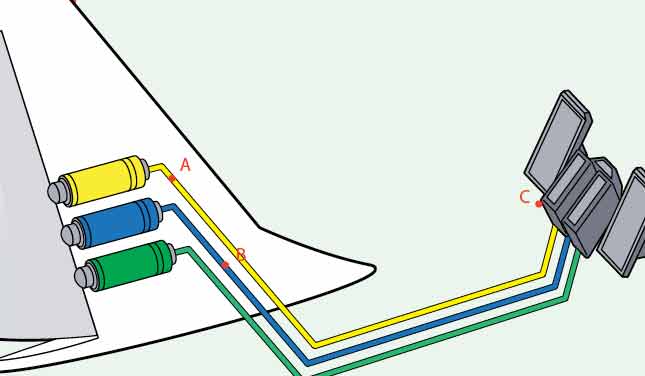
In its most basic form, a yaw damper inhibits movement of an aircraft around its vertical axis, performing like an automated set of feet on the rudder pedals.
How It Works: Yaw Damper

Key Takeaways:
- A yaw damper automatically controls an aircraft's movement around its vertical axis by applying rudder inputs, preventing "fishtailing" in single-engine planes and inhibiting "Dutch roll" in swept-wing aircraft.
- It uses sensors like accelerometers to detect yaw movements and communicates with avionics systems to provide calming rudder pressure, ensuring coordinated turns and enhancing passenger comfort.
- While some systems are pilot-selectable, modern yaw dampers (e.g., Cirrus SR22) can engage and disengage automatically at specific altitudes; however, pilots may need to deactivate them during critical phases like takeoff or landing in certain aircraft to maintain full control authority or facilitate engine failure identification.
- Over-reliance on yaw dampers can diminish a pilot's manual rudder skills, which becomes apparent when flying aircraft without the system or with an inoperative damper.
Key takeaways sponsored by Aviator Pro | Start Your Training ->
See a mistake? Contact us.

