











Absolutely excellent article (“Extreme-Altitude Hazards”) by Jim Lockridge in the May issue summarizing issues that confront pilots in the high-altitude environment. I cant recall ever seeing a better or more thorough summary of the topic, and Ive been reading aviation publications for a long time. 288
Going To Extremes
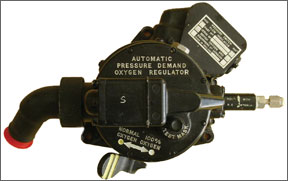
Absolutely excellent article ("Extreme-Altitude Hazards") by Jim Lockridge in the May issue summarizing issues that confront pilots in the high-altitude environment. I cant recall ever seeing a better or more thorough summary of the topic, and Ive been reading aviation publications for a long time. This subject has been of particular interest to me for over 30 years, after I flew a sailplane to 41,000 feet in a mountain wave west of Boulder, Colo.

Key Takeaways:
- A pilot recounts a high-altitude sailplane flight to 41,000 feet, emphasizing the critical importance of robust oxygen systems (main and backup) and thorough safety briefings for extreme-altitude operations.
- A reader questions a previous article's explanation of adverse yaw, proposing it is caused by drag from the downward-deflected aileron and describing its practical application for directional control during ground operations in tailwheel aircraft.
- The responding expert confirms the reader's practical technique for using aileron-induced drag to control adverse yaw on the ground, while clarifying that in-flight adverse yaw has different primary causes.
Key takeaways sponsored by Aviator Pro | Start Your Training ->
See a mistake? Contact us.

