











If you were lucky, your primary flight instructor taught you that before you could learn how to land, you had to learn how to not land. This is an important concept worthy of discussion as we enter into the busy spring and summer flying season, when pilots crawl out of hibernation to fly laps around a gusty racetrack, leaving their rusty skills in the dust-or not. As a single-engine airplane flight instructor serving members of my home airports flying clubs, Ive learned there are many ways to safely bring an airplane back to 288
Going Around
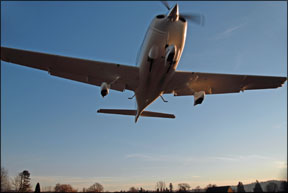
As a single-engine airplane flight instructor serving members of my home airports flying clubs, Ive learned there are many ways to safely bring an airplane back to earth, though some are more elegant than others. But the one maneuver that shows me for certain whether an individual is ready for his or her first solo or is worthy of a flight review endorsement is the go-around, or aborted landing.

Key Takeaways:
- The go-around (aborted landing) is a fundamental and often overlooked maneuver critical for pilot safety and a key indicator of flight proficiency, especially during challenging conditions.
- Improper go-around execution, such as failing to apply full power or mishandling flaps, can lead to dangerous situations like stalls due to the aircraft's vulnerable landing configuration.
- A correct go-around involves immediate full power application, controlled flap retraction to manage lift and drag, and precise rudder input to counteract engine torque, all while maintaining positive control and an outside visual scan.
- Pilots are strongly encouraged to regularly practice go-arounds from various approach points and in diverse conditions to enhance safety and improve overall landing skills.
Key takeaways sponsored by Aviator Pro | Start Your Training ->
See a mistake? Contact us.

