
The aerospace industry is rapidly approaching a technological revolution. Developers are designing, building, and flying electric vertical takeoff and landing (eVTOL) aircraft with the intent of reducing cost and noise as compared to traditional helicopters.
The Top Four Issues Facing the Future of eVTOLs

Key Takeaways:
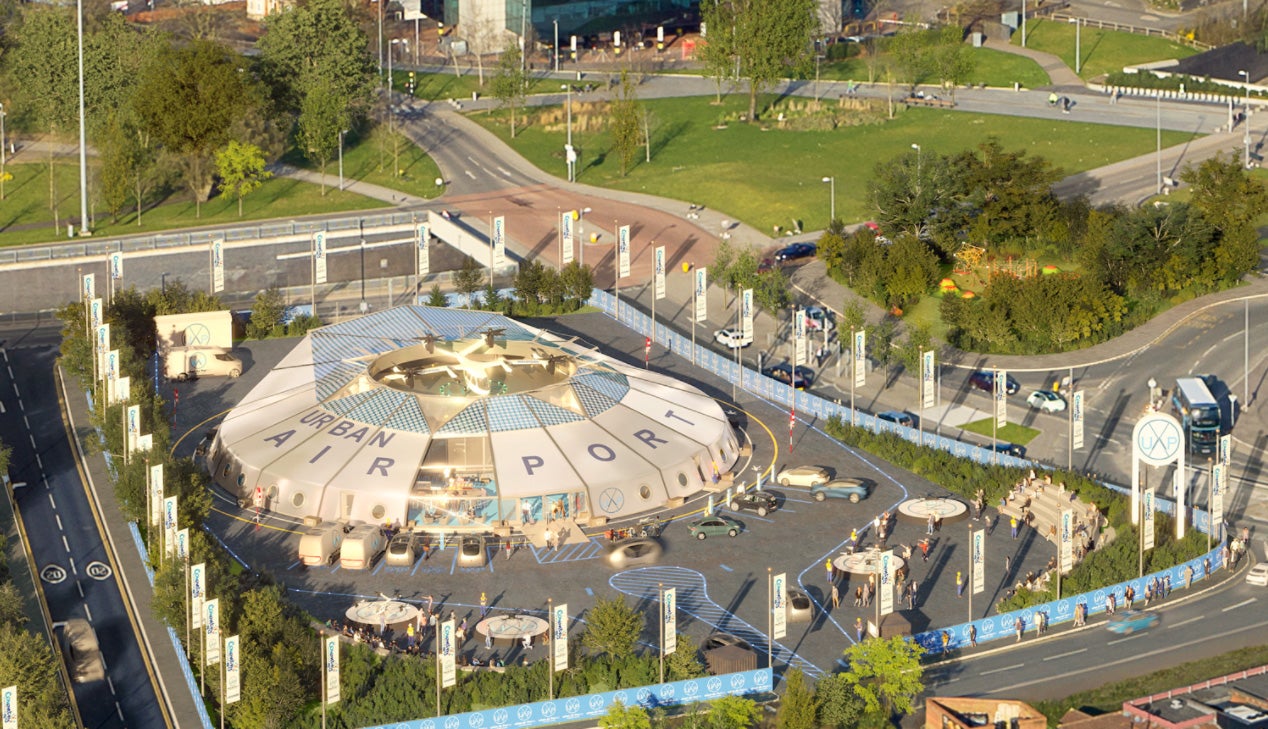
- The eVTOL industry faces significant infrastructure challenges, requiring the development of new landing/charging vertiports and the retrofitting of existing structures.
- Technological advancements are driven by the need for sustainable, net-zero emission aircraft and the potential for autonomous flight, though public acceptance of pilotless vehicles is a concern.
- A major hurdle is the lack of specific certification standards and regulatory frameworks for eVTOL aircraft and vertiports, as they don't fit existing aviation categories.
- Widespread adoption of eVTOLs depends heavily on gaining public acceptance, addressing concerns regarding safety, noise levels, and "not in my backyard" attitudes.
Key takeaways sponsored by Aviator Pro | Start Your Training ->
See a mistake? Contact us.