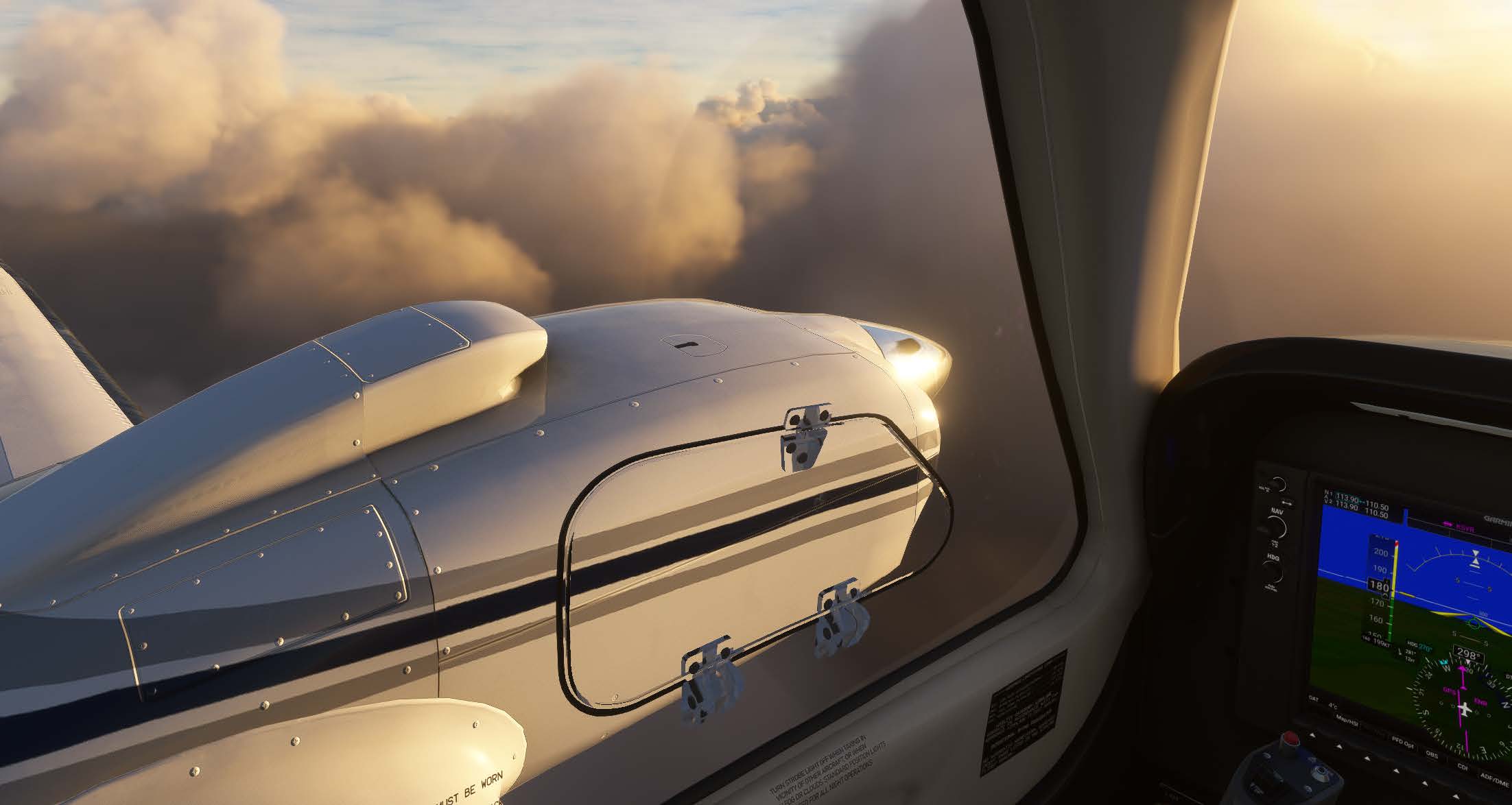
Contributor Sean Siff answers more questions in this second of a two-part FLYING series covering some common flight simulator component upgrades. [Courtesy: Sean Siff/Microsoft Flight Simulator]
Key Takeaways:
Upgrading a home flight simulator should be driven by a desire for increased immersion and specific flying goals, with a focus on prioritizing components based on budget and building a system tailored to the user's preferred aircraft or mission.
Key physical control upgrades include investing in premium yokes for realistic feel (e.g., Virtual Fly Yoko), robust throttle quadrants for smooth and durable operation (e.g., Virtual Fly TQ Neo), and quality rudder pedals (e.g., Thrustmaster TPR) to develop proper muscle memory and control.
Beyond flight controls, enhancing the pilot's cockpit with a stable and comfortable "Captain's Chair" (like a modified car seat) and haptic feedback devices significantly deepens the simulation experience by conveying realistic aircraft behavior.
How do you know when it is time to go beyond your basic home flight simulator and start upgrading major components? What equipment within your sim should receive your top priority in terms of budgeting?
I’ll continue answering these questions and more in this second of a two-part FLYING series covering some common flight simulator component upgrades.
CREATE A FREE ACCOUNT
Sign up to keep reading
Create a free account to continue. Already a member? Sign in below.
Sean Siff is a private pilot who has worked in marketing in the aviation industry. He’s an active flight sim user as he works to stay current in the airplane.