That title shouldn’t surprise anyone, but in the last two years I’ve been painfully reminded of the depth and truth of that.
My first airplane was one-third of a Cessna 150. We weren’t smart enough then to know the extent of maintenance requirements, so we simply did most of it ourselves … without oversight and without much documentation. We were blissfully ignorant.
Next came a Mooney M20F. By then I’d come to understand required maintenance and who could perform it, so I learned a lot about the cost of flying. Of course, the cracked engine block at the first annual was instructive, and the dishonest shop we picked for the repair added some education.
Between upgrades and the new engine, in five years with the Mooney we probably spent twice what we got when we sold it, and that doesn’t even include routine maintenance.
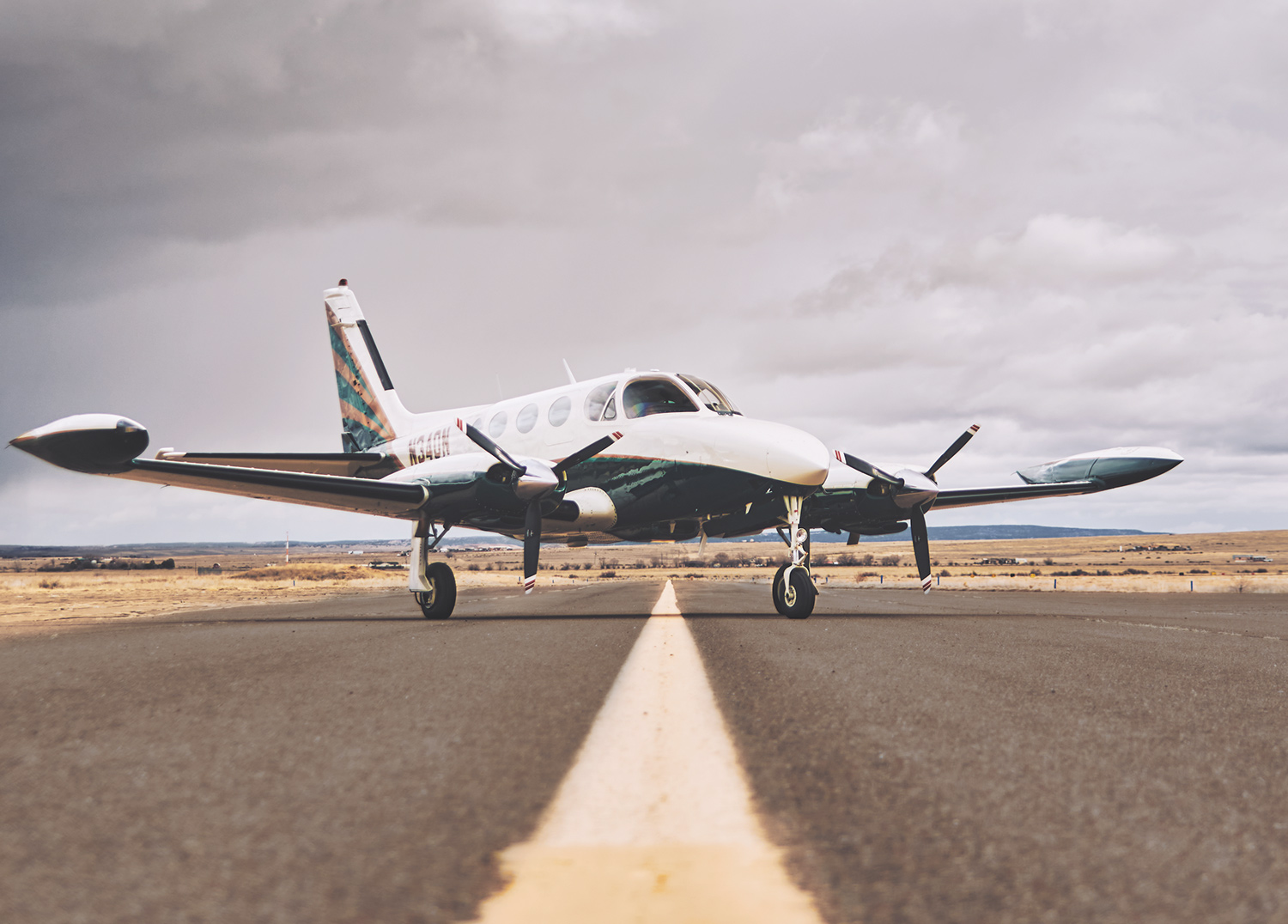
In spite of what the 150 and the Mooney taught me about the high cost of flying, we made the decision to jump into a pressurized twin, our current Cessna 340.
A guy I knew from the Mooney days had earlier made the switch to a Cessna 310. He was financially comfy and he joked that when he bought the 310, he specifically got an American Express Gold card for the left side and another for the right side. Oh, and since they were American Express Gold cards, they had no limit. But, he complained, he regularly exceeded it.
“Surely he’s joking,” I thought to myself. Uh, no, he wasn’t. I discovered his point with the 340.
One might think that maintaining a twin is only twice as expensive as a single. Well, that really only is a reasonable guess at the lower end of the twin market, such as you might find in flight schools. When you move up to a serious traveling twin, capable of handling some weather and flying faster than most singles, well, the systems add a whole new level of complexity … and, of course, expense.
And although you might be able to purchase that fast traveling machine at what could seem like a reasonable price, since the maintenance requirements don’t relax with age, you must think of what that airplane would cost new today, because that’s the airplane you’re maintaining.
Oh, and upgrades … While modern avionics do great and wonderful things for us, they’re breathtakingly expensive. I joke about that by saying that my first upgrade in the 340 cost more than my first house. The second upgrade cost more than my second house. But, my third upgrade (done last year) cost more than not my first house, not my second, but my third—all three combined. (To be fair, I’ve chosen to do these upgrades because I wanted that capability to hopefully improve safety; I wasn’t forced.)
And, now just a year later, I’m replacing both engines because, well, I wore them out. Now, I need to get a couple more gold cards. Yes, flying is expensive. (But worth it!)
(I don’t intend this to be a boo-hoo sob story, but instead to be a light-hearted yet realistic explanation of the true costs of airplane ownership—in case you haven’t yet had the pleasure yourself.)