











Februarys article, “Horizontal Lift,” is correct in stating the horizontal component of the lift vector turns the airplane. But as a long-time flight instructor and physics teacher I would prefer to explain the airplane turns because there is a net inward force acting on it. This is an unbalanced force, acting toward the center of the circle about which the plane is turning. And yes, the plane is accelerating even though the pilot may be maintaining a constant airspeed, his direction is changing and 288
Fictitious Forces
Februarys article, "Horizontal Lift," is correct in stating the horizontal component of the lift vector turns the airplane. But as a long-time flight instructor and physics teacher I would prefer to explain the airplane turns because there is a net inward force acting on it. This is an unbalanced force, acting toward the center of the circle about which the plane is turning. And yes, the plane is accelerating even though the pilot may be maintaining a constant airspeed, his direction is changing and therefore the plane is accelerating.

Key Takeaways:
- An airplane turns due to a net *inward* force, not a fictitious centrifugal force, causing acceleration even at constant airspeed.
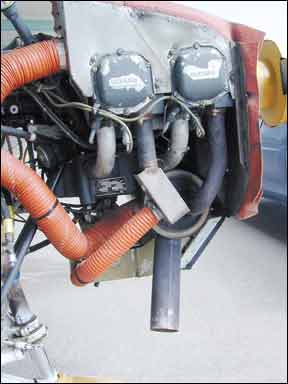
- Hyperbaric oxygen therapy is recommended for acute carbon monoxide (CO) poisoning, and pilots should prevent CO exposure by ensuring no exhaust leaks and maintaining cockpit ventilation.
- A pilot's driving habits, particularly in risk and decision-making, strongly correlate with their flying skills, suggesting that improving driving behavior can enhance aviation safety.
Key takeaways sponsored by Aviator Pro | Start Your Training ->
See a mistake? Contact us.

