











I just read your editorial (“Assuming The Position,” October) about “position and hold,” which is now “line up and wait,” which I last heard in fourth grade. It reminded me of when I first began flying in May 1981. In Riverside County, Calif., I learned of a vortac named March; not the month, the air force base. Its still there. A great big you-cant-miss-it vortac everyone knows 288
Feedback
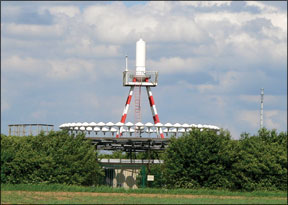
I just read your editorial ("Assuming The Position," October) about "position and hold," which is now "line up and wait," which I last heard in fourth grade. It reminded me of when I first began flying in May 1981. In Riverside County, Calif., I learned of a vortac named March; not the month, the air force base. Its still there. A great big you-cant-miss-it vortac everyone knows about, next to March Air Force Base. I hadnt been flying long when the FAA renamed the vortac, in its eminent wisdom, to Homeland. I pondered: Why in the world would the FAA-which obviously had way too much time on its hands-rename the Vortac from a well-known feature, March Air Force Base, to an obscure name, Homeland? No one knew.

Key Takeaways:
- The article presents differing views on aviation terminology and regulatory changes, with some critiquing confusing FAA renames (e.g., VORTACs, "position and hold" to "line up and wait") while others champion the adoption of international (ICAO) standards for global compatibility.
- A concern is raised about the current state of pilot training, where independent Certified Flight Instructors (CFIs) may prioritize logging flight hours over critical decision-making instruction, such as simulator-based emergency scenarios, due to incentive structures.
- Clarifications are offered on aircraft maintenance regulations, specifically distinguishing between mandatory static system and transponder tests (FARs 91.411/91.413) and non-mandatory pitot system tests, including details on qualified personnel and specific checks.
Key takeaways sponsored by Aviator Pro | Start Your Training ->
See a mistake? Contact us.

