













Register

FAA Says Hand Fly More

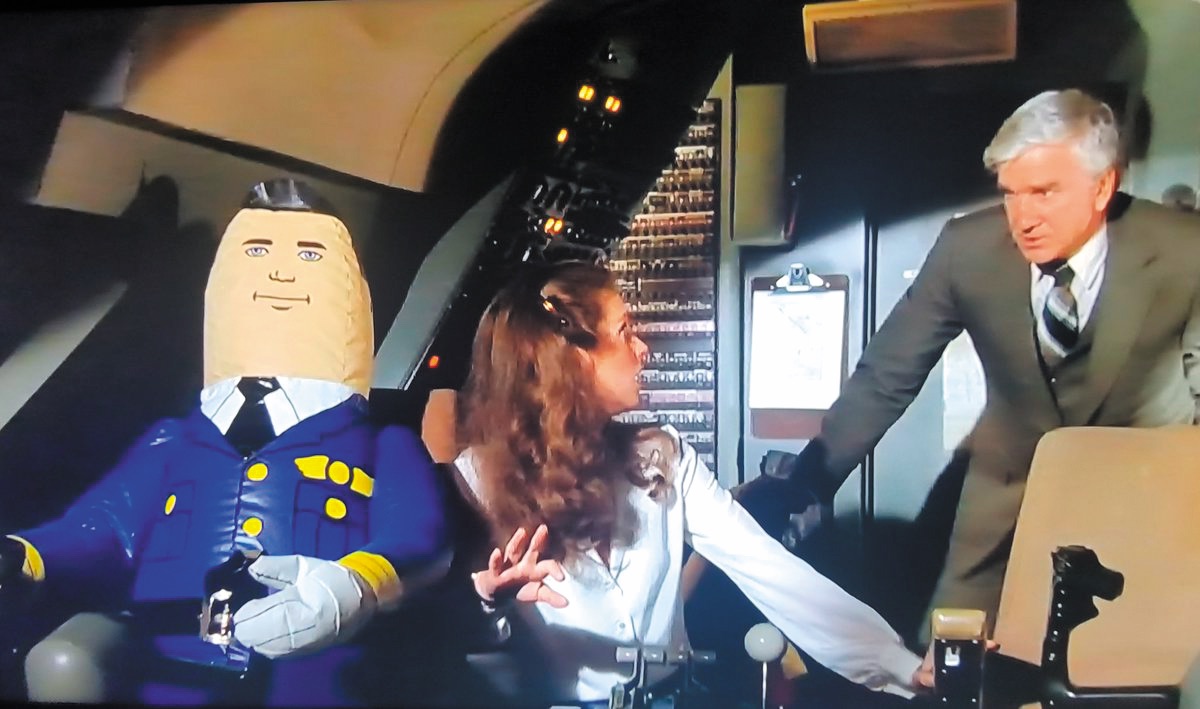
Autopilot scene from Airplane!
Gemini Sparkle

Key Takeaways:

  • Autopilots significantly enhance safety, reduce pilot workload, and mitigate fatigue, freeing pilots to manage other critical tasks.
  • However, excessive reliance on autopilots can lead to the atrophy of essential hand-flying skills, making pilots overly dependent on automation.
  • To counteract skill degradation, pilots should frequently practice hand-flying, both in actual flight (e.g., departures into cruise, especially in busy airspace) and in simulators, actively disengaging automation and flight directors.
  • Despite advanced automation, pilots must consistently maintain their proficiency to remain the true "Pilot In Command."
See a mistake? Contact us.

Autopilots are great. First and foremost, they’re safety-enhancing devices. They free us from the mundane, but often consuming, task of simply keeping the airplane where it should be. This allows us to better manage the myriad other things we have to do. Plus, of course, it reduces fatigue. What could be better?

Indeed, that’s all good. But, there’s a downside. Our skills atrophy and we can rapidly begin to rely on the autopilot so much that it becomes a crutch. Shortly after that, we begin to lose the skill we worked so hard to master. Eventually, we might get to the point where we couldn’t pass a checkride without using the autopilot.


Ready to Sell Your Aircraft?

List your airplane on AircraftForSale.com and reach qualified buyers.

List Your Aircraft
AircraftForSale Logo | FLYING Logo
Pilot in aircraft
Sign-up for newsletters & special offers!

Get the latest stories & special offers delivered directly to your inbox.

SUBSCRIBE