














FAA Moves to Restrict Public Charter Flights

The new regulatory change may shake-up business models for carriers like JSX.

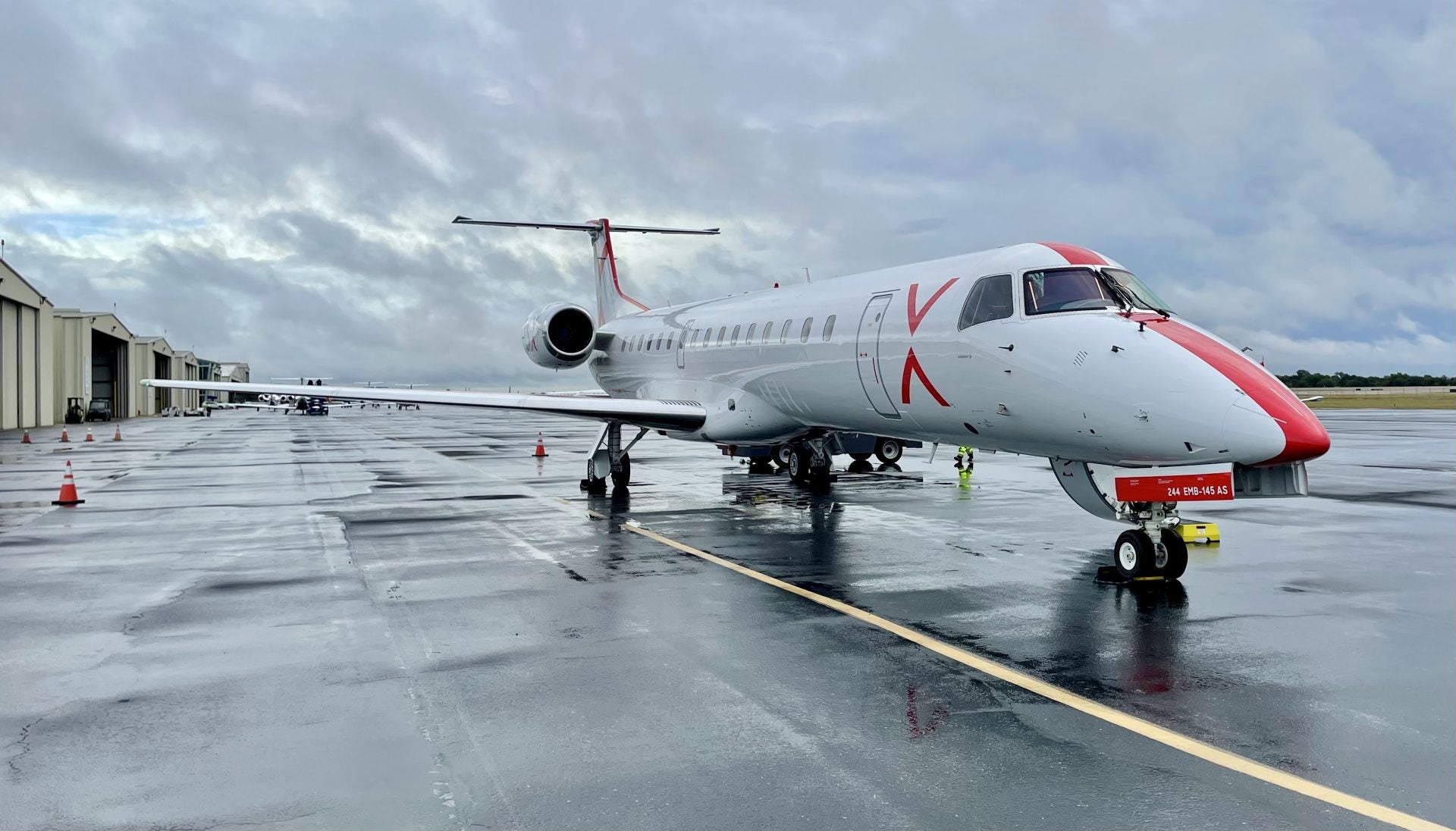
A JSX E-145 in Austin. The airline exclusively operates the Embraer jet. [Courtesy: AirlineGeeks | Mateen Kontoravdis]
Gemini Sparkle

Key Takeaways:

  • The FAA is proposing to revise regulations for public charter operators like JSX, aiming to subject them to more stringent safety and operational rules (Part 121) similar to major airlines, rather than the less demanding Part 135.
  • This move follows pressure from major airlines and pilot unions who argue public charters exploit a "loophole" to avoid stricter safety and security standards, while JSX asserts its excellent safety record and warns of stifled innovation and reduced service to small communities.
  • The FAA is establishing a risk assessment panel to consider a new operating authority specifically for 10-30 seat Part 135 aircraft, addressing concerns about balancing safety with innovation and service to small and rural communities.
  • Separately, the TSA is reviewing security requirements for public charter operators, as they are not currently mandated to screen passengers through traditional TSA checkpoints, a point of concern for some industry figures.
See a mistake? Contact us.

The FAA is moving to revise a regulation governing public charter operators. This change comes after scrutiny of the current rules, particularly regarding carriers like JSX that operate scheduled flights with smaller aircraft (30 seats or less) while following less stringent regulations compared to major airlines.

“Part of the safety mission of the FAA is identifying risk early on, and that’s exactly what we’re doing on public charters as usage expands,” said FAA Administrator Mike Whitaker in a statement. “If a company is effectively operating as a scheduled airline, the FAA needs to determine whether those operations should follow the same stringent rules as scheduled airlines.”


In August 2023, the FAA requested comments on the proposed rulemaking, receiving over 60,000 in less than a year. In its comment, JSX called the move “a lobbying-inspired, targeted regulatory barrier to entry, erected to protect influential parties that are prepared to fabricate safety concerns.”

Both American and Southwest along with the Air Line Pilots Association (ALPA) have pushed for changes to public charter operations like JSX, calling on the FAA to close a so-called ‘loophole.’

“Some airlines use the public charter loophole to cut costs by skirting lifesaving safety rules, but if they run similar operations as commercial scheduled airlines, then they are not operating as charter, and that’s an issue,” said ALPA president Jason Ambrosi in an August 2023 statement.

The FAA argues these changes are necessary to ensure consistent safety standards across all passenger air travel. Public charter operators currently adhere to Part 135 regulations, which are less demanding than the Part 121 rules that govern scheduled airlines. This difference applies to areas including pilot training requirements and maintenance protocols.

Opponents of the proposed changes, including JSX itself, argue that their current safety record is “excellent” and that stricter regulations would stifle innovation and potentially limit service options, especially in smaller communities. JSX says that some of its safety protocols even exceed current FAA standards.

“JSX supports the Federal Aviation Administration’s efforts to maintain the safety of civil aviation and applauds FAA Administrator Whitaker’s plans to evaluate a new operating authority for certain Part 135 operations,” the carrier said in a statement on Monday.

Small Community Air Service

JSX has repeatedly added that changes to public charter regulations would “jeopardize” service to small communities. Last year, the carrier committed to ordering over 300 hybrid-electric aircraft. The goal of these aircraft, the company says, is to deploy them in small communities.

“These airplanes are custom built for nine, 19, and 30 seats, and they’ll be much more efficient…than the planes we’re flying today. And that’s going to lower costs, and that’s going to make more of those [airports] available,” JSX CEO Alex Wilcox told AirlineGeeks in a December interview.

Noting these concerns, the FAA said in a June 17 press release that it would launch a risk assessment panel to “assess the feasibility of a new operating authority for scheduled part 135 operations in 10-30 seat aircraft.”

“At the same time, we want to look at how future innovation might cause us to think differently,” Whitaker said. “Safe air travel options should be available to everyone, not limited to only those living near a major airport. We want to put a safety lens over the options of future innovation, as we work to further connect small and rural communities to open up more options for everyone at the same high level of safety.”

Contour Airlines, which operates public charter flights to several smaller communities, is also likely to be affected by the regulatory change. The company is part-owned by SkyWest, which has a public charter subsidiary called SkyWest Charters.

Security Concerns

Many in the industry have also expressed concerns with the security requirements of public charter operators. JSX and others are not required to screen passengers through a traditional Transportation Security Administration (TSA) checkpoint.

Former American CEO Doug Parker called these security protocols a “disaster waiting to happen” during a recent interview on the Airlines Confidential podcast.

The TSA is also reviewing security requirements for these operators, including a security screening requirement for all passengers. The comment period for its proposed rulemaking ends on June 27.


Editor’s Note: This article first appeared on AirlineGeeks.com.

Ryan Ewing

Ryan is Sr. Director of Digital for Firecrown's Aviation Group. In 2013, he founded AirlineGeeks.com, a leading trade publication covering the airline industry. Since then, his work has been featured in several publications and news outlets, including CNN, WJLA, CNET, and Business Insider. During his time in the airline industry, he's worked in roles pertaining to airport/airline operations while holding a B.S. in Air Transportation Management from Arizona State University along with an MBA. Previously, he worked for a Part 135 operator and later a major airline. Ryan is also an Adjunct Instructor at Embry-Riddle Aeronautical University.

Ready to Sell Your Aircraft?

List your airplane on AircraftForSale.com and reach qualified buyers.

List Your Aircraft
AircraftForSale Logo | FLYING Logo
Pilot in aircraft
Sign-up for newsletters & special offers!

Get the latest stories & special offers delivered directly to your inbox.

SUBSCRIBE
