














FAA Modifies Rest Rules for Air Traffic Controllers

Change affecting off-duty time before midnight shift expected to start in 2026.

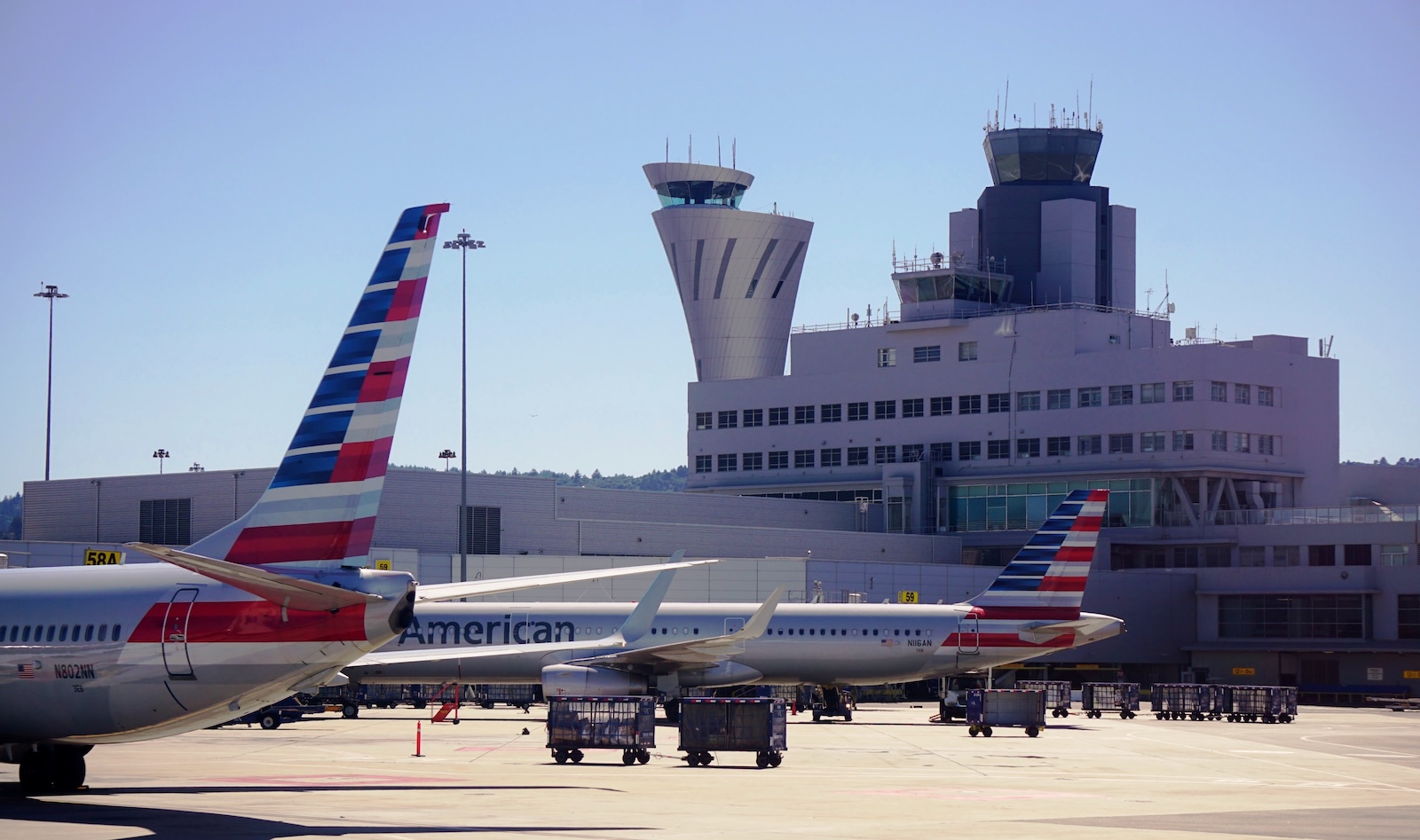
Air traffic control tower at KSFO
An air traffic control tower in San Francisco [Credit: Shutterstock]
Gemini Sparkle

Key Takeaways:

  • The FAA, in agreement with NATCA, is reducing the mandatory off-duty period for air traffic controllers before a midnight shift from 12 to 10 hours, aligning with industry rest standards.
  • This change aims to improve staffing flexibility at ATC centers and is expected to be implemented in fiscal year 2026.
  • The modification is part of the FAA's broader strategy to address a significant shortage of air traffic controllers, alongside other initiatives like increased pay, bonuses for hard-to-staff regions, and allowing some controllers to work past the mandatory retirement age.
See a mistake? Contact us.

The FAA is slightly modifying rules governing mandatory rest periods for air traffic controllers.

The agency said it reached an agreement with the National Air Traffic Controllers Association (NATCA) that will change the required off-duty period before a midnight shift from 12 hours to 10 hours. The adjustment will make it easier to maintain adequate staffing at ATC centers, officials said, and will not undermine efforts to ensure controllers are well-rested and alert for their shifts.


“The FAA and NATCA have agreed to change the requirement for a 12-hour off-duty period before a midnight shift to 10 hours, which aligns with industry rest standards,” the FAA said in a statement to FLYING. “All other provisions of a 2024 MOU [memorandum of understanding], including the 12-hour rest period following the midnight shift, and the 10-hour rest periods between all other shifts, remain in effect. These changes ensure controller work schedules are more aligned with traffic demands and provide greater flexibility to staff during busy evening operations.”

The change is expected to be implemented in fiscal year 2026.

The FAA and NATCA closely regulate rest periods for ATCs in an effort to stave off fatigue, which can interfere with a controller’s duties and judgement. An agreement put in place in 2024 mandated 10 hours off between shifts and limited the number of consecutive overtime assignments a controller can receive. It also established the rule of 12 hours off before and after a midnight shift, though this requirement is now set to change.

The FAA is scrambling to improve ATC coverage nationwide as it looks to close a gap of roughly 3,000 controllers. It has introduced a number of incentives meant to shore up the workforce, including increased pay for trainees, cash bonuses for ATCs who accept positions in undesirable or hard-to-staff regions, and annual lump sum payments for older controllers who opt to delay their retirement past the age of eligibility.

Additionally, Transportation Secretary Sean Duffy has said he will make use of his authority to grant case-by-case exemptions to the mandatory retirement age for ATCs, currently set at 56. The transportation secretary can keep “exceptional” ATCs working until 61.

Zach Vasile

Zach Vasile is a writer and editor covering news in all aspects of aviation. He has reported for and contributed to the Manchester Journal Inquirer, the Hartford Business Journal, the Charlotte Observer, and the Washington Examiner, with his area of focus being the intersection of business and government policy.

Ready to Sell Your Aircraft?

List your airplane on AircraftForSale.com and reach qualified buyers.

List Your Aircraft
AircraftForSale Logo | FLYING Logo
Pilot in aircraft
Sign-up for newsletters & special offers!

Get the latest stories & special offers delivered directly to your inbox.

SUBSCRIBE
