











FAA Issues Safety Alert for Helicopter Preflight Operations
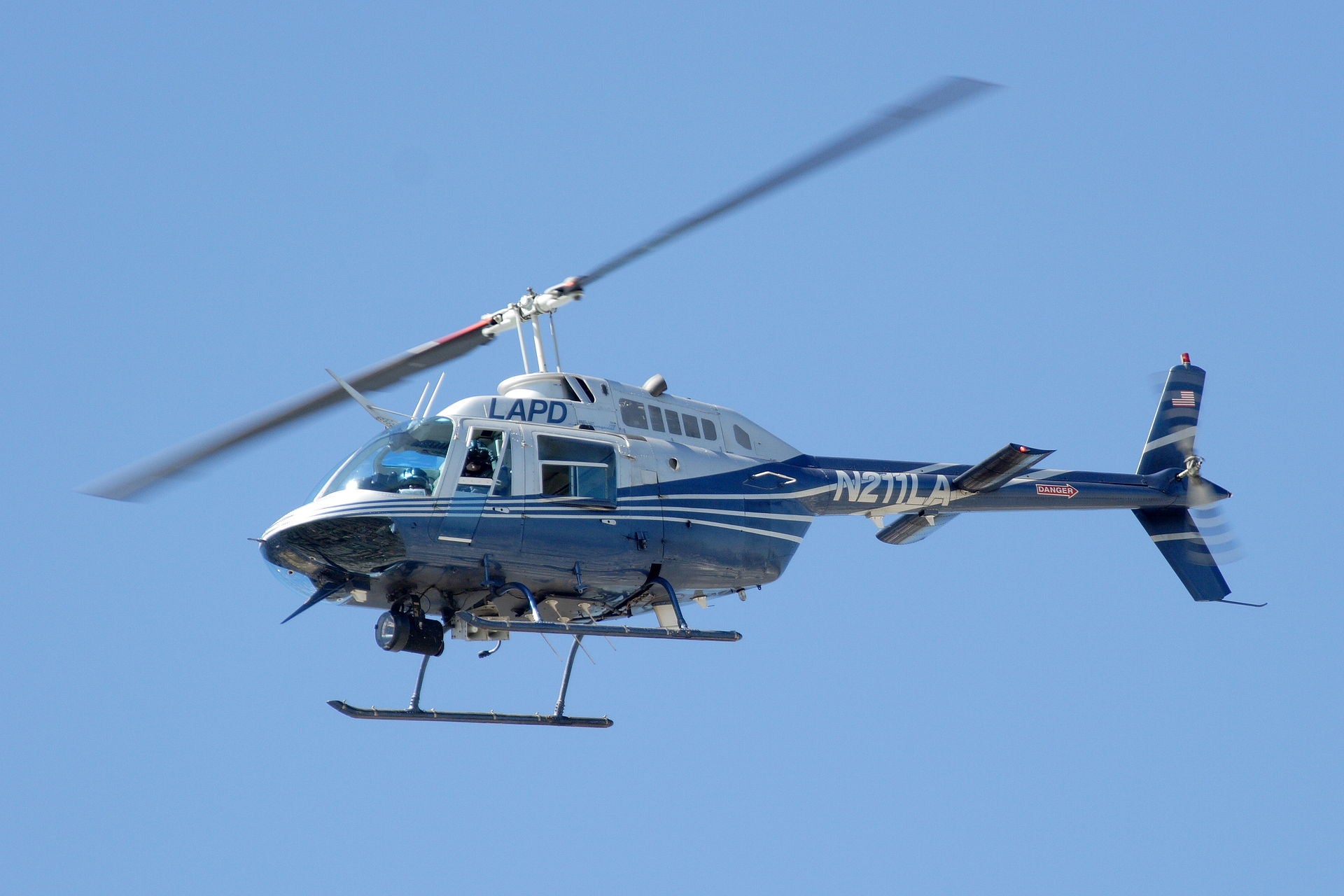
The FAA has issued a safety alert to helicopter operators to help prevent loss of control accidents. Wikimedia Commons/Matthew Field
Gemini Sparkle

Key Takeaways:

  • An FAA review identified helicopter loss of control (LOC) accidents frequently occurring immediately after liftoff or due to missed checklist items.
  • The agency issued a safety alert reminding operators to utilize checklists thoroughly and perform stabilized hover checks prior to takeoff.
  • Industry experts advocate for pre-takeoff hover checks, emphasizing their importance for helicopters to ensure smooth operation before full flight.
  • A specific accident where one engine was left at idle demonstrated how a proper hover check could prevent such critical failures.
See a mistake? Contact us.

An FAA review of helicopter incidents and accidents over the past five years has identified several accidents in which loss of control (LOC) was encountered immediately after liftoff while light on the skids/gear, or from other issues caused by missed checklist items. With those operational issues in mind, the agency recently issued a safety alert to helicopter operators about not only the use of checklists but also as a reminder to perform stabilized hover checks prior to takeoff.

Industry experts suggest that helicopter operations, unlike those in fixed-wing aircraft, generally require a moment or two just after liftoff, to ensure that everything aboard the machine is humming along smoothly prior to leaping into the air. A number of loss of control accidents have been tied to factors that would have been apparent had the pilot made a few precautionary checks following engine start.

In one accident, the pilot attempted to lift off from a rooftop heliport without performing any kind of power check from the hover. As the helicopter moved over the edge of the rooftop out of ground effect, the machine crashed to a parking lot below. The investigation showed that while one of the helicopter’s two engines was accurately set to the “fly” position, the second had been left in the “idle” position, a fault that could have been identified during a hover check. SAFO 16016, which includes a number of recommended helicopter preflight actions, can be found here at the FAA’s website.

Rob Mark

Rob Mark is an award-winning journalist, business jet pilot, flight instructor, and blogger.

Ready to Sell Your Aircraft?

List your airplane on AircraftForSale.com and reach qualified buyers.

List Your Aircraft
AircraftForSale Logo | FLYING Logo
Pilot in aircraft
Sign-up for newsletters & special offers!

Get the latest stories & special offers delivered directly to your inbox.

SUBSCRIBE



