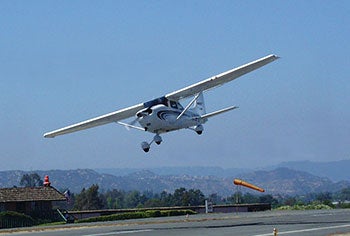
Engine-out training should prioritize "flying the airplane"—selecting a landing field and setting up the approach—before attempting an engine restart.
Pilots must practice safe gliding to a landing, including circling approaches from above the airport, and understand how to manage descent rates and adjust for changing wind conditions.
Developing a consistent "sight picture" (looking towards the far end of the runway) is crucial for effective landings, helping pilots properly position the aircraft and counteract ground effect.
Thanks for your excellent, thorough article on engine-loss training (“Engine-Out Training”) in the August 2021 issue. It reminds me that, in my experience, most of the training involves the procedure for restarting the engine. This is one-third of the response needed.
CREATE A FREE ACCOUNT
Sign up to keep reading
Create a free account to continue. Already a member? Sign in below.