











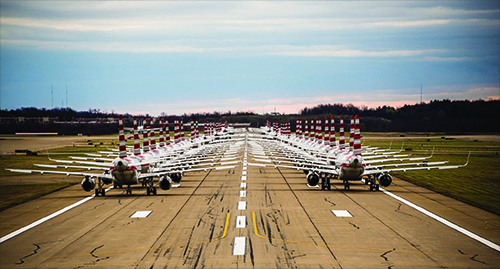


What a year the last few weeks have been. The ongoing health crisis in the U.S. and throughout the world has upended the concepts of “normal” and “everyday life” for billions. As this was being written in late March, U.S. state and local jurisdictions were competing to put into place travel restrictions, business closures, stay-at-home orders and curfews, plus mandatory 14-day quarantines for people traveling from one state to another. It’s likely these and other restrictions will become more widespread, with unprecedented economic impacts.
If you’re like me, your social media is well-populated with images of parked airliners and empty airport terminals. Figures published by the Transportation Security Administration for the last Sunday in March 2020 show a 93-percent reduction in traveler throughput. And air travel is likely to become even less frequent in coming weeks. There’s no way to know how long this state of affairs will last, in part because there’s no consensus on the conditions to be met before things begin returning to “normal.” Societal upheavals like the Covid-19 pandemic don’t conform to anyone’s expectations of what the future will bring, or when.

