EAA Adopts New Procedures in Wake of AirVenture NTSB Crash Report

Among the changes to be implemented at this year's airshow are standardized briefings and traffic patterns.

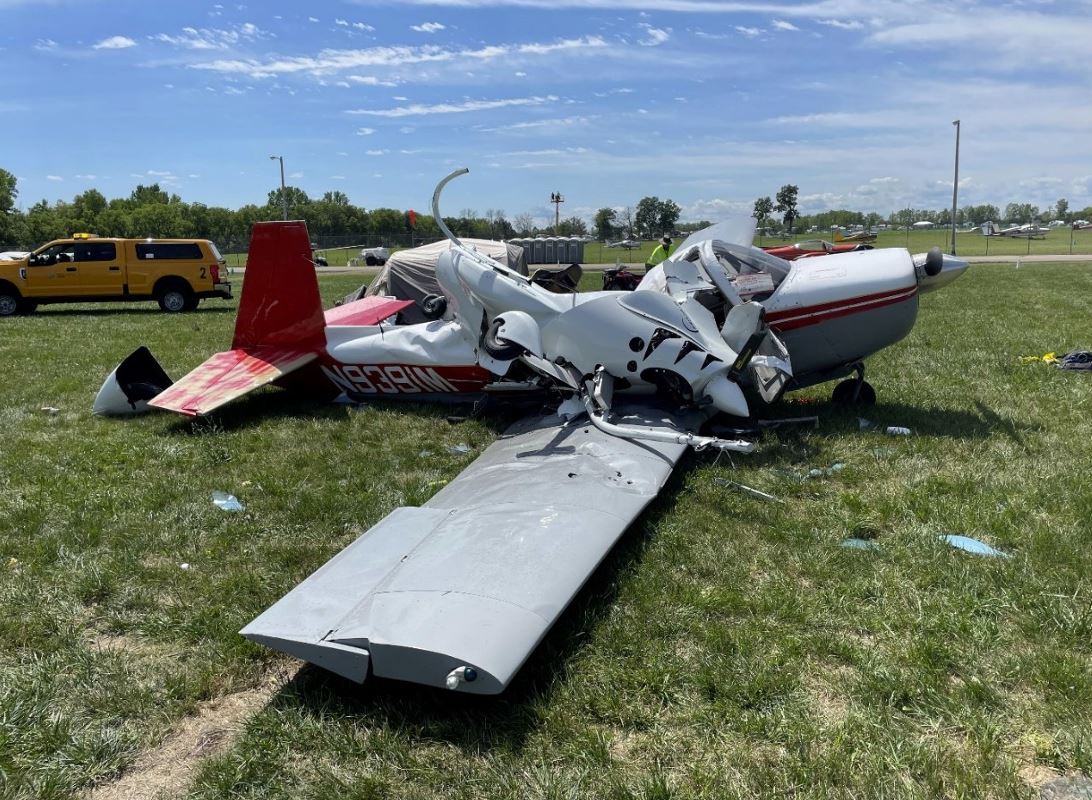
The gyroplane and unoccupied parked airplane. [Courtesy: NTSB]
Gemini Sparkle

Key Takeaways:

  • A deadly midair collision at EAA AirVenture last year in the Fun Fly Zone (FFZ) was caused by a gyrocopter pilot violating established procedures.
  • The NTSB determined the accident, which killed two and seriously injured two, occurred when the gyrocopter pilot made a prohibited 360-degree turn in the pattern.
  • In response to the collision, EAA has implemented a "one strike and you're out" rule for procedural violations at AirVenture.
  • Other safety changes include standardized briefings, traffic patterns, aircraft spotter locations for FFZ operations, and a designated sterile corridor.
See a mistake? Contact us.

One strike and you’re out. This rule is among the procedural changes for EAA AirVenture in Oshkosh, Wisconsin, in response to a deadly midair collision between a helicopter and gyrocopter last year.

The aircraft were flying in the pattern of the Fun Fly Zone (FFZ), which is located in the Ultralight area.

The National Transportation Safety Board (NTSB) determined that the accident occurred when the gyroplane pilot violated established and briefed FFZ procedures by making a prohibited 360-degree turn in the pattern before colliding  with the helicopter.

The pilot and passenger of the helicopter were killed and the pilot and passenger of the gyrocopter were seriously injured. No one on the ground was injured, however, an unoccupied aircraft was destroyed when the gyroplane came down on top of it.

According to the NTSB final report (below) on the accident, in addition to the one-strike rule, the EAA has adopted the following changes to prevent future mishaps:

  • Standardized briefing for all types of FFZ operations
  • Standardized traffic pattern for all types of FFZ operations with exception of the powered-parachutes group due to speed performance
  • Standardized aircraft spotter locations for all types of FFZ operations
  • Designated sterile corridor for traffic on base leg over the north/south paved road

The NTSB’s final report is below.

Meg Godlewski

Meg Godlewski has been an aviation journalist for more than 24 years and a CFI for more than 20 years. If she is not flying or teaching aviation, she is writing about it. Meg is a founding member of the Pilot Proficiency Center at EAA AirVenture and excels at the application of simulation technology to flatten the learning curve. Follow Meg on Twitter @2Lewski.

Pilot in aircraft
Sign-up for newsletters & special offers!

Get the latest stories & special offers delivered directly to your inbox.

SUBSCRIBE