











DOT Reports on FAA’s Latest NextGen Steps
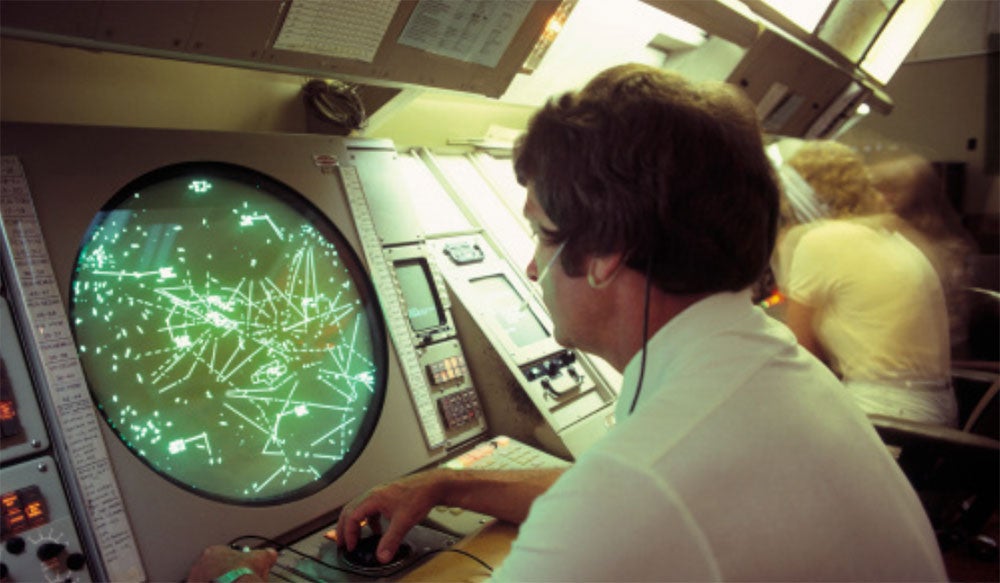
DOT’s IG says FAA still has a bit more work ahead to complete STARS installation. NATCA
Gemini Sparkle

Key Takeaways:

  • The DOT Inspector General (IG) audited the FAA's new STARS radar system, revealing a $90 million cost underestimate and inadequate documentation for validating and prioritizing system requirements.
  • The audit found that STARS power systems at some locations do not comply with safety regulations, specifically noting the use of daisy-chained power strips.
  • Despite its intended purpose, the STARS system has not yet successfully made operational key NextGen air traffic control technologies, such as sequencing and spacing tools.
  • The FAA has largely concurred with the IG's recommendations aimed at rectifying these financial, safety, and operational deficiencies.
See a mistake? Contact us.

The FAA has nearly completed its 20-year effort to install final versions of a new radar system at 11 large hub airports around the United States. Close on the heels of the agency’s work, the Department of Transportation’s Inspector General recently audited the program at the behest of the House Appropriations Committee to better understand how close the FAA is to meeting the original goals of the upgrades. The new radar, called STARS, for standard terminal automation replacement system, represents a critical element in reducing traffic delays and increasing capacity, a major component of the NextGen ATC upgrade.

The IG said the FAA has experienced challenges in transitioning to STARS, primarily because the agency underestimated the costs of the transition by some $90 million. “Despite having a detailed management plan for new STARS requirements, the FAA could not sufficiently document how new requirements were validated or prioritized,” the report explained.

The IG added that the FAA is missing an opportunity to more efficiently use its resources by implementing the highest-priority capabilities first. Additionally, the IG said, “the FAA’s installation of STARS power systems do not comply with the agency’s safety regulations and industry standards.” Reports indicate the new equipment in some locations was plugged into power strips daisy-chained to each other.

While STARS supports some of the new ADS-B technologies NextGen demands, it hasn’t been successful in making some of the most important technologies operational like, “sequencing and spacing tools to allow controllers to use new performance-based navigation (PBN) procedures.” The agency says it will create a new phase of terminal automation to address the problems.

The DOT sent its initial report to the FAA in early November of last year including a number of recommendations for tweaking the STARS installation. The FAA responded to the IG audit in mid-December 2017, agreeing with most of the recommendations, but questioning some of the IG’s logic.

The IG wants the FAA to finalize a timeline for identifying the remaining STARS requirements, including any post-implementation enhancements and to quantify their impact on the original goals. It wants the agency to track and document when and how the systems new requirements will be validated and prioritized. The IG also wants the agency to redesign the power supply configuration of STARS to eliminate series connected power strips and either obtain configuration approval from a nationally recognized testing laboratory or assess the risks of potential power failures at any of the 11 installations.

During a drilldown of the IG’s audit, the FAA disagreed that the agency’s requirement management process was incomplete. The IG countered, claiming the FAA reviewers had read something into the report that was not intended and claimed the FAA didn’t accurately document how decisions about new requirements were validated before the work began. The FAA also seems to have misunderstood the IG’s concern about the implementation of STARS by not specifically identifying when all the system’s capabilities will become operational. The IG reaffirmed its worries about power failures in the national airspace system, but considers all four of its recommendations closed, only pending completion of the agency’s planned actions.

Rob Mark

Rob Mark is an award-winning journalist, business jet pilot, flight instructor, and blogger.

Ready to Sell Your Aircraft?

List your airplane on AircraftForSale.com and reach qualified buyers.

List Your Aircraft
AircraftForSale Logo | FLYING Logo
Pilot in aircraft
Sign-up for newsletters & special offers!

Get the latest stories & special offers delivered directly to your inbox.

SUBSCRIBE



