













Register

Diving And Driving

Gemini Sparkle

Key Takeaways:

  • The "dive-and-drive" method for non-precision approaches can be advantageous for light aircraft, despite the emphasis on stabilized descent for jets, provided pilots use good judgment and account for potential mental calculation errors.
  • There is a strong debate regarding the inclusion of N-numbers in self-announcements at non-towered airports, particularly in light of widespread ADS-B use.
  • Many pilots advocate for N-numbers, citing their crucial role in enhancing safety and situational awareness by allowing correlation with ADS-B traffic, identifying position errors, and distinguishing similar aircraft.
  • Conversely, some argue for greater brevity in radio transmissions, believing N-numbers are often unnecessary, especially within the traffic pattern, and can contribute to frequency congestion.
See a mistake? Contact us.

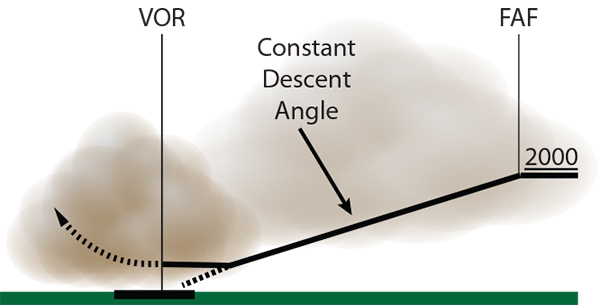
After reading Tom Turner’s excellent article on non-precision approaches (“Non-Precision Stability,” January 2021), I’d like to add a couple of comments as a “legacy dive and driver” (instrument-rated in 1961).

First of all, the Instrument Flying Handbook talks about the benefits of stable descent for swept-wing jet aircraft, and they do exist; I flew them for 35 years. However, I suspect the majority of your readers are flying light singles and twins, which don’t have adverse aileron effects at low speed and are far more responsive in that regime. For that majority, I think that while being the mark of a competent airman and always desirable, the true stabilized flight concept is overstated.


Ready to Sell Your Aircraft?

List your airplane on AircraftForSale.com and reach qualified buyers.

List Your Aircraft
AircraftForSale Logo | FLYING Logo
Pilot in aircraft
Sign-up for newsletters & special offers!

Get the latest stories & special offers delivered directly to your inbox.

SUBSCRIBE