













Register

Cancel If You Can

Gemini Sparkle

Key Takeaways:

  • Pilots are encouraged to proactively cancel IFR upon sighting the airport to reduce radio verbiage, but must confirm VFR conditions for their airspace and be aware of commercial operational manual restrictions.
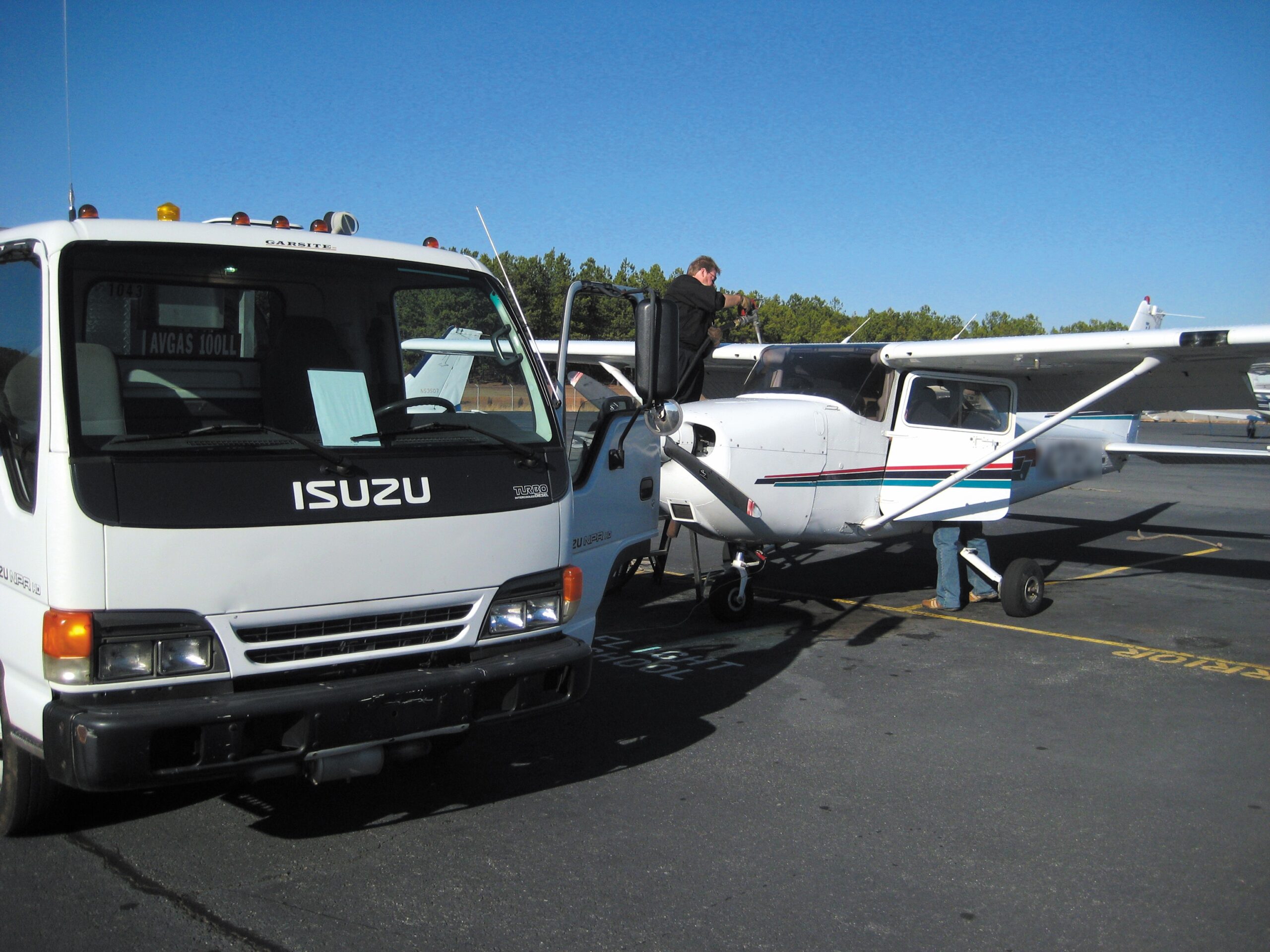
  • To prevent misfueling incidents, pilots should observe fueling processes, meticulously check fuel receipts for type and quantity, and consider aircraft markings to avoid fuel type errors.
  • The NTSB's distinction between an "accident" and an "incident" is nuanced, often determined by factors like structural damage; additionally, noise-canceling headsets are considered a critical safety item for effective in-cockpit communication.
See a mistake? Contact us.

I always enjoy the magazine. Thank you to all who provide and produce the content.

In Tarrance Kramer’s “Towerless Tribulations” article in April, he discussed the benefit of pilots cancelling IFR before landing at a non-towered airport. I agree with this sentiment; however it is worth noting that there are commercial operators whose Operations Manuals prohibit them from cancelling IFR until after landing and also prohibit departing VFR and picking up the clearance in the air. I worked at such an operation for many years and was aware that keeping my IFR clearance until landing wasn’t the most efficient operation or the best way to make friends. Nonetheless, I was required to do just that.


Ready to Sell Your Aircraft?

List your airplane on AircraftForSale.com and reach qualified buyers.

List Your Aircraft
AircraftForSale Logo | FLYING Logo
Pilot in aircraft
Sign-up for newsletters & special offers!

Get the latest stories & special offers delivered directly to your inbox.

SUBSCRIBE