











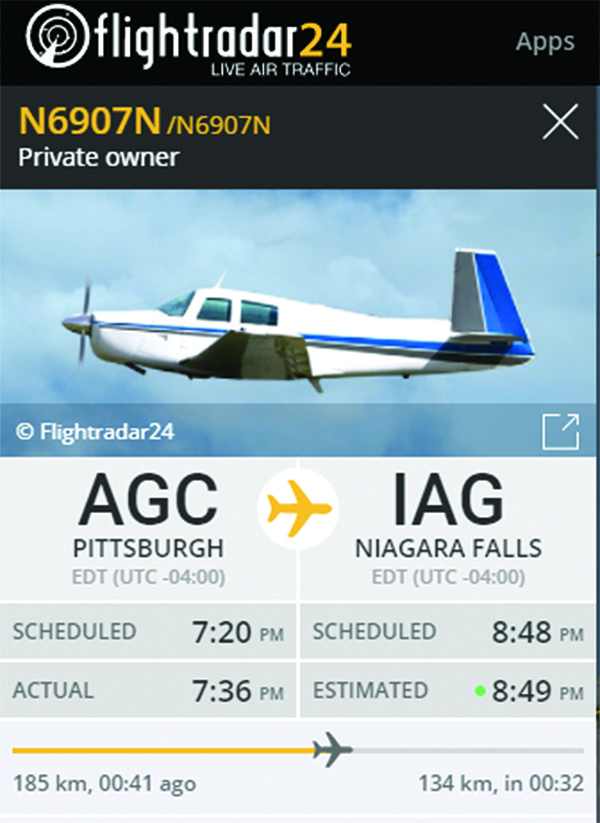


The modern general aviation airplane has data flowing from it like never before. The flood started with digital engine monitors. Then electronic flight decks came along, capable of storing a vast array of information about each flight for later retrieval and analysis, which is especially valuable in a training environment. Now it’s ADS-B, which literally tracks our position, every heading change and altitude excursion with uncanny accuracy and—with the right equipment—for anyone to see.
Larger airplanes—business jets and airliners—have been installing digital flight data recorders (DFDRs) for some time, whether required or not, as well as quick-access recorders (QARs) which, as their name implies, are designed to provide operators with a similar source of data as the DFDR but retrievable without disturbing the required equipment. Analysis of QAR data by the operator has facilitated reconstruction of in-flight events, and using DFDR data to reconstruct accident sequences has provided government and operators alike key insights into how mishaps occur. If only all that data could be used to identify problems before they happened, and track the successes.

