











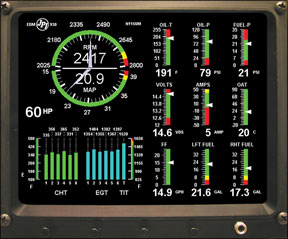
I notice the article “Top Five Engine Myths” (March 2007) has not generated any controversy. Please let me provide a remedy. I am a retired performance engineer for Pratt & Whitney, having worked on experimental jet engines. After a second career as an A&P/IA with a flight school and Part 135 charter operation, Im now retired again. Im also an Instrument-rated Commercial pilot. I question the accuracy of engine monitors used on piston engines today, and would urge some caution in accepting numbers we see in the cockpit. At P&W, we 288
Calibrating Myths
I notice the article "Top Five Engine Myths" (March 2007) has not generated any controversy. Please let me provide a remedy. I am a retired performance engineer for Pratt & Whitney, having worked on experimental jet engines. After a second career as an A&P/IA with a flight school and Part 135 charter operation, Im now retired again. Im also an Instrument-rated Commercial pilot.

Key Takeaways:
- A retired performance engineer questions the accuracy and in-field calibration of modern piston engine monitors, arguing they lack the precision of experimental setups, while the editor defends their practical diagnostic value for pilots.
- An expert refutes the efficacy of brief idle cool-downs for turbocharged engines to prevent oil coking, explaining that heat soak after shutdown is the primary concern and suggesting shutdown at the lowest possible exhaust temperature.
- Other discussions include an assertion that FAA actions are deliberately designed to curtail general aviation, and a clarification on the exclusive context for using "position and hold" clearances at towered airports.
Key takeaways sponsored by Aviator Pro | Start Your Training ->
See a mistake? Contact us.

