













Register

Breaking Out

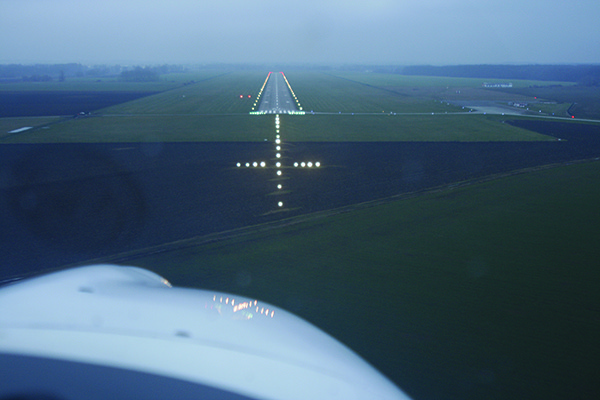
On The Cover: Breaking out after an instrument approach is one of the most satisfying things an instrument pilot can achieve. Most likely, we'll want to land on the runway ahead of us, but what if that's not the case? We have options, but we have to plan for them. See the article beginning on page 16 for more. Photo by Michal Orlita/Dreamstime.com
Gemini Sparkle

Key Takeaways:

  • Pilots have multiple options upon breaking out of an instrument approach, including landing, executing a missed approach, circling for a different runway, or diverting, with landing straight-in being the most common.
  • Each post-breakout action, such as landing or circling, is governed by specific regulations (e.g., FAR 91.175 requirements for visual references) and procedural considerations (e.g., adhering to the missed approach path for obstacle clearance, maintaining circling minima).
  • Thorough pre-approach planning, covering all potential outcomes like landing, a missed approach, or a diversion, is crucial for safely executing the chosen option and avoiding improvisation.
See a mistake? Contact us.

After a few hours in the clag, pushing buttons and keeping the magenta line more or less centered, you’re vectored for the approach at your destination, fly the procedure, descend and spot the runway, just as everyone said you would. There’s a big, beautiful runway right there in front of you. What’s next? Conventional wisdom, along with your training, says you land on it. But that may or may not be what you want to do. In fact, you have a lot of options.

Sure; you can land, and that’s what you’ll most likely do, after performing a final landing checklist. You also can go around, for example, flying the missed approach procedure. Maybe your landing clearance was cancelled as you broke out due to a debris-contaminated runway, thanks to the preceding arrival, and that’s what ATC wants you to do. You can circle, maybe to land on the same pavement but from the opposite direction. You also can cancel IFR, or even obtain an SVFR clearance, and proceed to your real, nearby destination. Each of these options has upsides and downsides, but no matter which one you choose, you need to be prepared for it. That occurs during your approach briefing, which is best done at altitude, while you’re straight and level and have some time, before descending and flying the procedure.


Ready to Sell Your Aircraft?

List your airplane on AircraftForSale.com and reach qualified buyers.

List Your Aircraft
AircraftForSale Logo | FLYING Logo
Pilot in aircraft
Sign-up for newsletters & special offers!

Get the latest stories & special offers delivered directly to your inbox.

SUBSCRIBE