














Over 3,000 unionized workers in Boeing’s defense division walked off the job Monday after voting to reject a tentative four-year contract with the aerospace manufacturing giant.
A St. Louis-based branch of the International Association of Machinists and Aerospace Workers (IAM) announced the strike in a statement over the weekend. The union did not say what specific contract provisions its members objected to or what concessions they hope to win from their employer.

Boeing said the deal would have raised its employees’ earnings by a total of about 40 percent, including a 20 percent general wage increase and a $5,000 ratification bonus.
The workers voted to reject an earlier offer from the company on July 27, triggering a seven-day “cooling off period” that ended Sunday at midnight. Boeing put forward a modified contract, but this too was voted down on Sunday, clearing the way for a work stoppage. It is the first strike at Boeing’s defense segment since 1996.
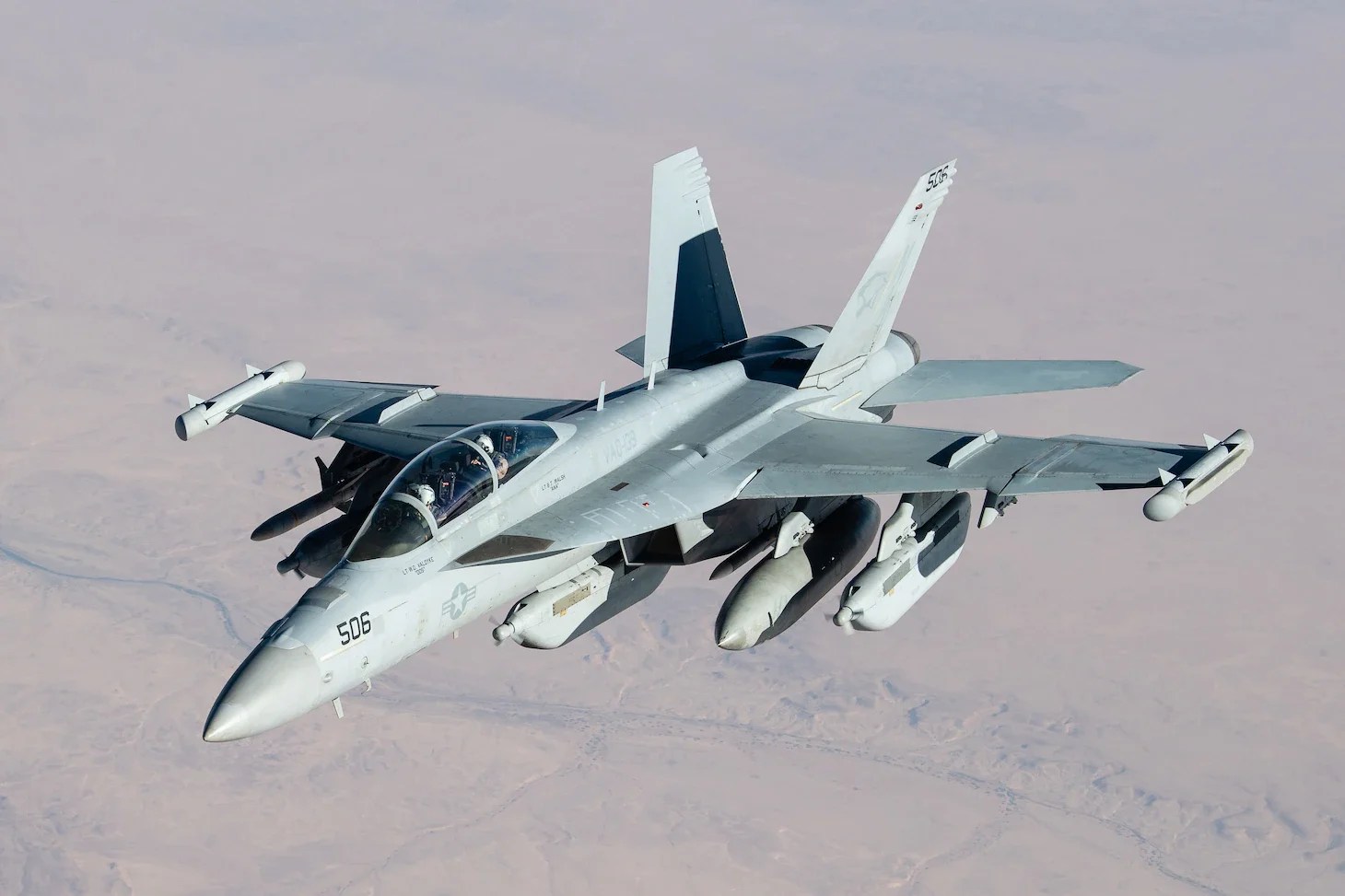
The striking workers are based at plants in St. Louis and St. Charles, Missouri, and Mascoutah, Illinois. They help assemble and maintain aircraft like the F-15 and F/A-18, and support Boeing’s missile systems.
“IAM District 837 members have spoken loud and clear: They deserve a contract that reflects their skill, dedication, and the critical role they play in our nation’s defense,” said IAM District 837 directing business representative Tom Boelling. “We stand shoulder to shoulder with these working families as they fight for fairness and respect on the job.”
It was not immediately clear Monday if the IAM has reentered negotiations with Boeing.
“We’re disappointed our employees rejected an offer that featured 40 percent average wage growth and resolved their primary issue on alternative work schedules,” Boeing executive Dan Gillian said in a statement to The New York Times. “We are prepared for a strike and have fully implemented our contingency plan to ensure our non-striking workforce can continue supporting our customers.”
Boeing is still working to make up ground lost during a strike by 33,000 aerospace machinists in fall 2024. That strike cost the company $100 million per day and further delayed deliveries of commercial aircraft to customers.
CEO Kelly Ortberg appeared to downplay the potential impact of a strike by defense workers during an earnings call last week.
“I wouldn’t worry too much about the implications of the strike,” Ortberg said. “We’ll manage our way through that.”

