














Boeing Closing in on Final Assembly of Last New 747

The left wing for the last 747 order reportedly has been staged on Boeing’s production line.

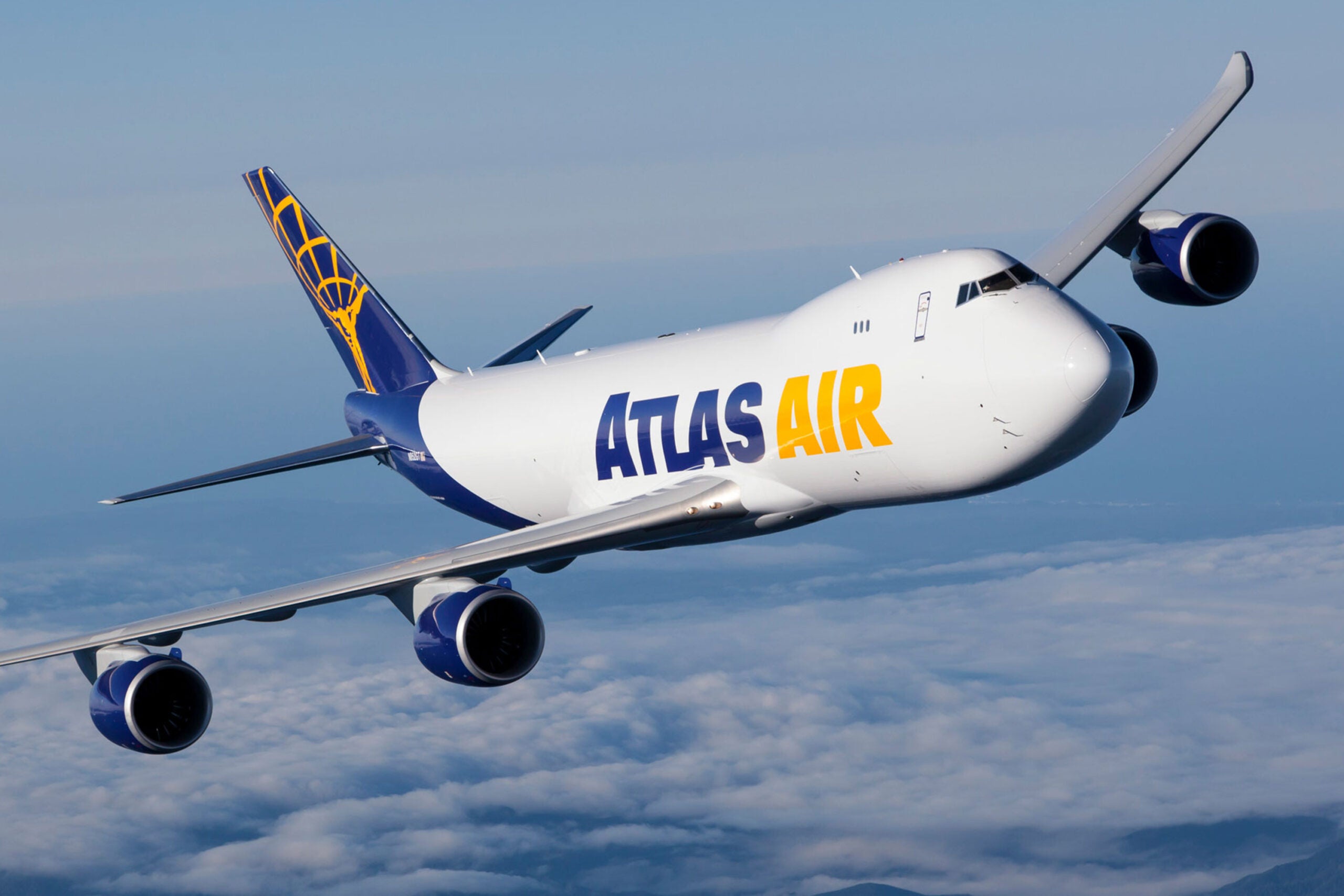
Atlas Air 747-8F Freighter in Flight
The final Boeing 747—a 747-8F—is being assembled in Everett. [Courtesy: Atlas Air Worldwide]
Gemini Sparkle

Key Takeaways:

  • Final assembly of the last new Boeing 747, a freighter variant for Atlas Air, is nearing completion, signaling the end of production for the iconic aircraft after over half a century.
  • The 747 revolutionized aviation by opening international travel and serving as the first widebody passenger jet and a crucial freighter capable of carrying enormous cargo and oversized objects.
  • With 1,569 units produced, the "Queen of the Skies" leaves a unique and enduring legacy in the aerospace industry, known for its substantial capacity and versatility across various roles.
See a mistake? Contact us.

More than half a century after the model first flew—changing aviation forever—final assembly of the last new Boeing 747 reportedly is near at the company’s factory in Everett, Washington. 

The left wing for the freighter, a 747-8F variant, has been staged on the production line, according to an Aviation Week report. Atlas Air is expected to receive delivery of the last 747—along with three identical 747-8Fs—by the end of this year. (Two former Transaero 747-8s are currently being converted into military variants for the Pentagon to serve as Air Force One.)


The news serves as a reminder that the end of an era is drawing near. Few aircraft have done as much to change the industry. 

Beginning with its entry into service as a passenger variant with Pan Am in 1970, the first widebody jetliner opened the door to international travel for countless people around the world. 

Later, 747s were modified to ferry NASA’s iconic Space Shuttle fleet. Modified 747s were used to carry enormous airplane parts from overseas to final assembly at Boeing factories. A modified long-range 747SP variant served NASA as an in-flight observatory.

This year also marks the 50th anniversary of the first delivery of a widebody freighter, the 747-200, to Lufthansa on March 10, 1972, featuring the nose door which allowed loading of oversized objects.

Lufthansa Boeing 747-200 being loaded through its nose door
The first widebody freighter, the 747-200, was delivered to Lufthansa on March 10, 1972. [Courtesy: Boeing]

Currently, 90 percent of the world’s freighter capacity belongs to Boeing freighters, according to the company. 

Bill Flynn, former CEO of Atlas Air Worldwide credits the unique characteristics of the 747 with allowing Atlas to build a global airline. “It has substantial capacity. It can carry over a hundred tons of cargo,” Flynn told Boeing. “It also has great temperature control capabilities inside the aircraft during flight.”

Over the past five decades, Boeing has produced and delivered a grand total of 1,569 747s.

A widebody twin-engine Boeing 777-8F is currently being developed, which boasts virtually the same capacity of a 747-400F while burning less fuel. Nonetheless, it’s safe to say there will never be another airplane quite like the Queen of the Skies. 

Thom Patterson

Thom is a former senior editor for FLYING. Previously, his freelance reporting appeared in aviation industry magazines. Thom also spent three decades as a TV and digital journalist at CNN’s bureaus in Washington and Atlanta, eventually specializing in aviation. He has reported from air shows in Oshkosh, Farnborough and Paris. Follow Thom on Twitter @thompatterson.

Ready to Sell Your Aircraft?

List your airplane on AircraftForSale.com and reach qualified buyers.

List Your Aircraft
AircraftForSale Logo | FLYING Logo
Pilot in aircraft
Sign-up for newsletters & special offers!

Get the latest stories & special offers delivered directly to your inbox.

SUBSCRIBE
