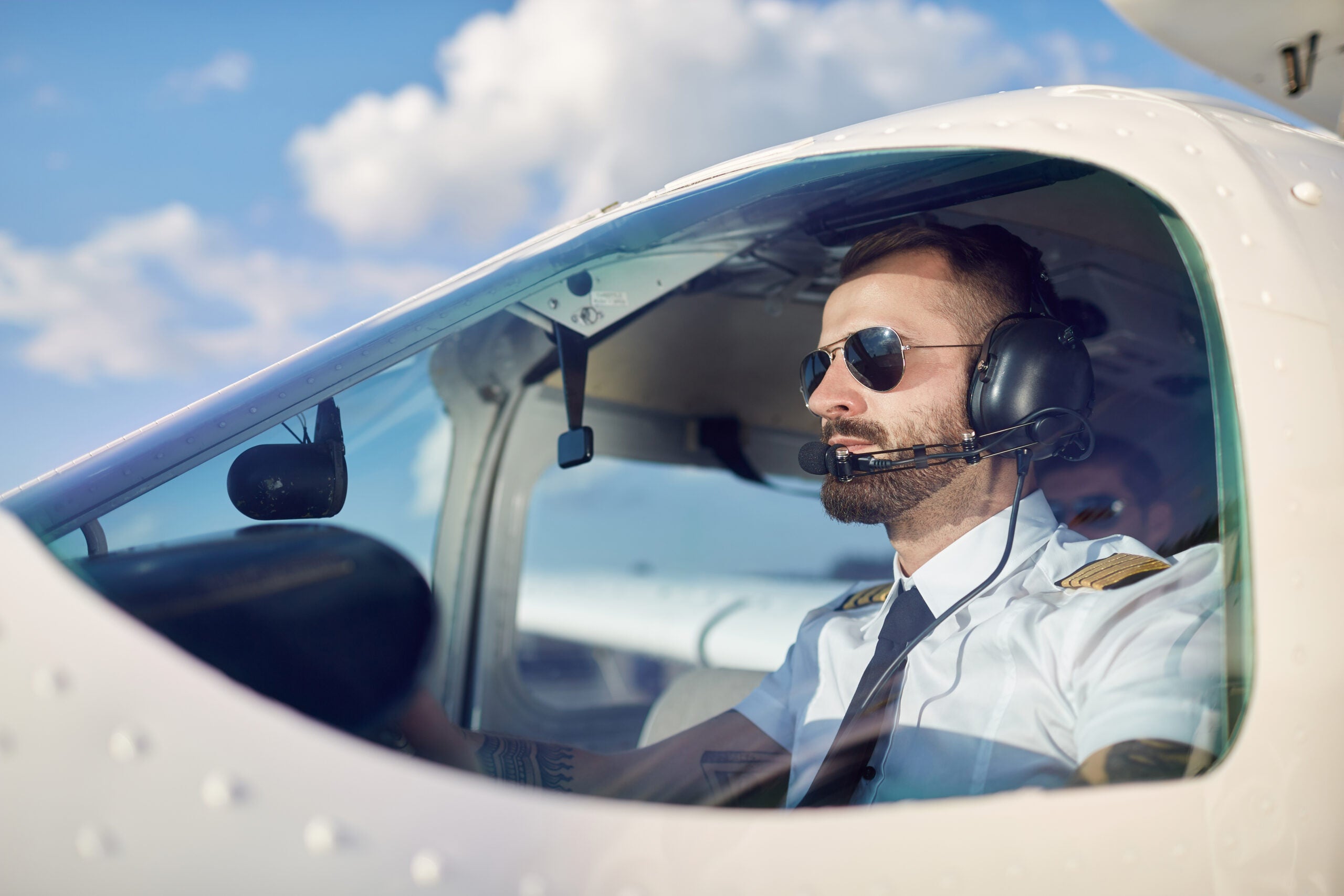


Though now popular among a lot more than just pilots, the classic aviator sunglasses were created in the 1930s to help military pilots deal with sunlight coming in the cockpit from every angle as they maneuvered.
Not unlike aviation as a whole, which saw a man land on the moon just 66 years after The Wright Brothers’ first flight, aviator sunglasses have come quite a long way since their inception. With some help from movies like Top Gun, they have also become a bit of a status symbol, and finding the right ones for you should involve a mix of functionality and style!
Quick look: Best Pilot Sunglasses
- Best For Lover of the Classics: Ray-Ban Aviator Classic
- Best for Bifocals and Wide Frames: Cooper Aviator Standard with Bifocals
- Best For Durability Seekers and Thrill Seekers: Oakley Holbrook
- Best For the Stylish Lady: Coach Pilot Sunglasses
- Best For the Value Shopper: Flight Gear Captain’s Sunglasses
- Best For Military Buffs: American Optical Original Pilot
- Best For Extra UV Protection Seekers: Carrera 1033
- Best For Casual and Cool Pilots: Serengeti Carrara
- Best For Seekers of Sleek: Randolph Aviators
Best Pilot Sunglasses
Now that you know what to look for and what to avoid, here is a look at 10 pilot sunglasses that you should consider.
Ray-Ban Aviator Classic
Best For: Lover of the classics
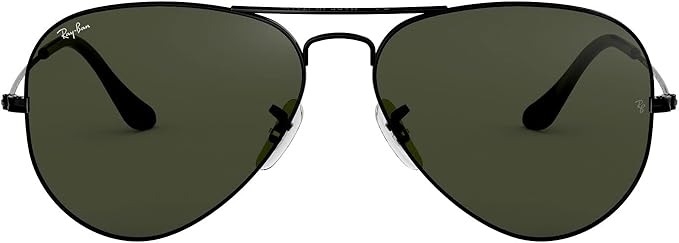
Ray-Ban Aviators have stood the test of time, and while there are many options (and an easy-to-customize sales page on their website) the classic style with extra-large lenses and reinforcement bar across the top still checks all the boxes.
Many lenses are available, and comparatively, these are still quite affordable.
Special Features:
- Extremely Customizable
- Durable and Stylish Case
Benefits:
- Affordable
- Dependable
- Great Customer Service
Disadvantages:
- Some options more for style than pilot functionality
- Standard lenses are polarized (not recommended), but non-polarized options are available
READ MORE: Best Flight Jackets
Cooper Aviator Standard with Bifocals
Best For: Bifocal Users and Wide Frames
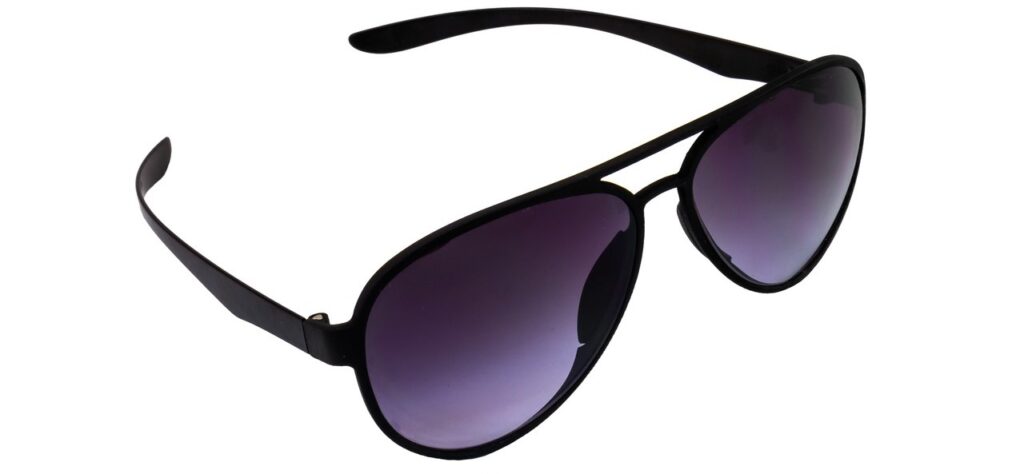
These Cooper Aviator Standards from Flying Eyes Optics are engineered for ultimate comfort and functionality under headsets and helmets. These sunglasses boast ultra-thin and flexible temples that wrap around the head, not the ears, ensuring a seamless fit.
Benefits:
- Designed for bifocals
- Shatterproof, polycarbonate lenses
- Prescription compatible
Price: $336
READ MORE: How to Pick a Part 141 Flight School
Oakley Holbrook
Best For: Durability Seekers and Thrill Seekers
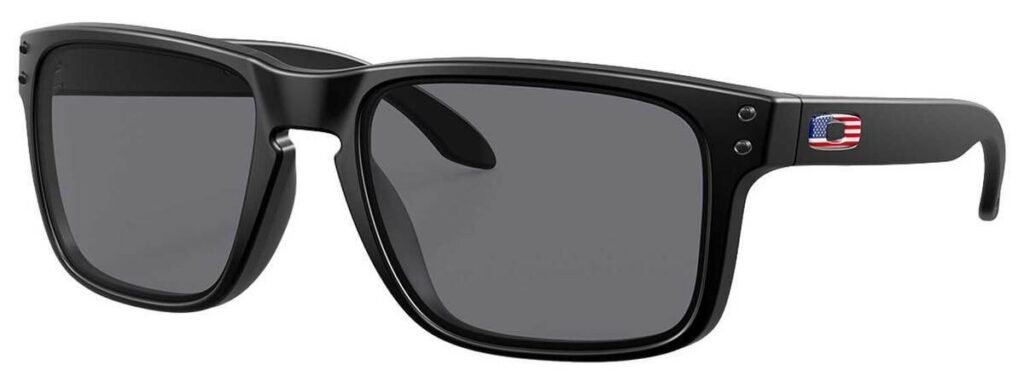
Another staple name in sunglass technology, Oakley offers a lot of worthy options for pilots as well. The Holbrook line boasts sheet metal frames, and large lenses that filter out 100% of UV rays. In addition, advocates say these stay on especially well, so if you’re a stunt pilot, they’re an affordable option worth checking out!
Special Features:
- Sheet metal for added durability
- Extra large lenses
Benefits:
- Trusted name
- Affordable
- Extra durable
- Snug fit
Disadvantages:
- Need to select non-polarized options
READ MORE: What Is the Best Pilot Knife?
Coach Pilot Sunglasses
Best For: The Stylish Lady
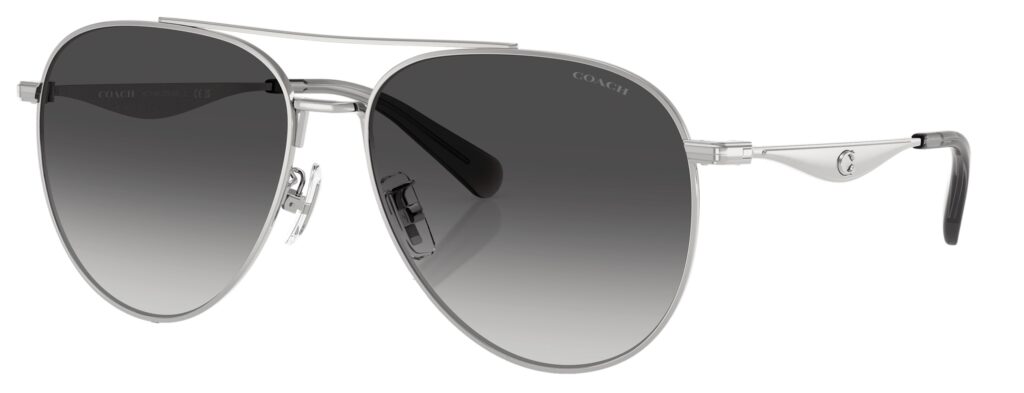
Relative to aviation, it’s ironic that these “Coach” shades offer first-class style. They also are very functional, and boast a huge lens size. Colors and frames vary, but most options are quite affordable, and can be worn as daily use shades, too.
Special Features:
- Extra-large
- Customizable
Benefits:
- Functionality without sacrificing style
- Competitive price-tag
Disadvantages:
- A few complaints regarding lack of “snugness”
Flight Gear Captain’s Sunglasses
Best For: The Value Shopper
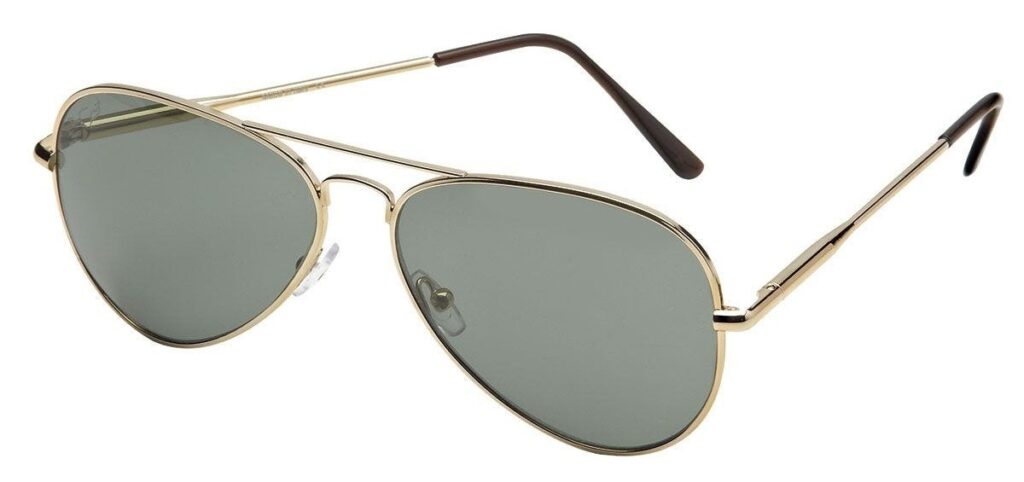
Made specifically for Sporty’s, these shades are all about functionality. No polarization, no gaudy features, just large lenses tinted for maximum visibility in the cockpit. They also happen to be about half the price of the other inexpensive options on this list.
Special Features: Nothing particularly special, just a nice pair of functional sunglasses
Benefits:
- Price tag
- Built specifically for pilots
- No lost sleep over a lost pair
Disadvantages:
- Lacking in style (though by design)
Pricing: Even with some additions, these specs are less than $100
American Optical Original Pilot
Best For: Military Buffs
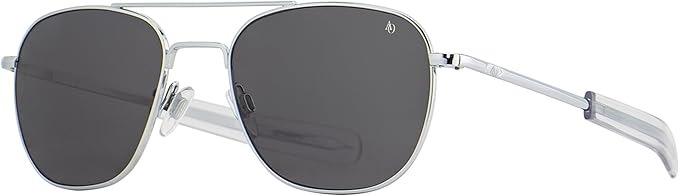
These shades have been gracing the faces of military pilots since the 1950sand are designed to slide on and off easily, even when a helmet is worn. They are middle of the pack, price-wise, but offer made-in-the-USA quality, and AO has been making eyewear for more than 150 years.
Special Features:
- Slide-off design (for helmets)
- Many tint options to suit you
Benefits:
- 3 lens size options
- Extremely lightweight
Disadvantages:
- Due to the design, some come off too easily
Carrera Men’s 1033
Best For: Extra UV Protection Seekers
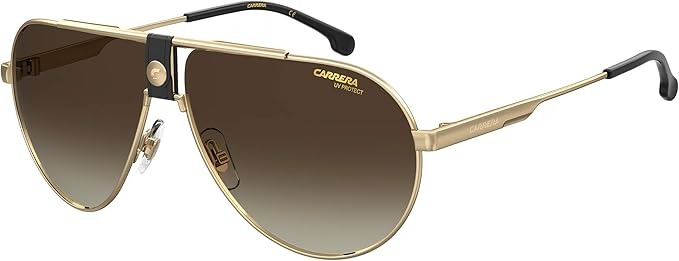
The Carrera 1033 was created for pilots, by pilots, and is affordable, lightweight, and pretty stylish, to boot. The thin frames don’t lack durability, and the curved plastic on the lenses adds a layer of protection from the sun.
Special Features:
- Huge lenses – 63mm
- Frame is able to be fitted with prescription lenses
Benefits:
- Affordable
- Pilot-first construction
- Lightweight
Disadvantages:
- None
Serengeti Carrara Aviator Sunglasses
Best For: Casual and Cool Pilots
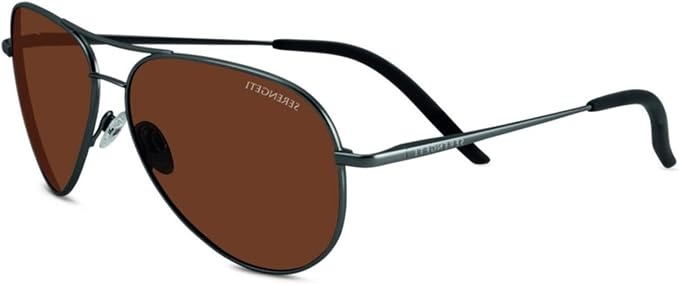
These sunglasses put a touch more weight on style than the last few listed, but they don’t sacrifice too much to do so! The lenses are slightly smaller than most, but the lens style options allow buyers to maximize their UV protection (still very wide, just not as tall).
Most do, however, have photochromic lenses, so be wary of your piloting needs.
Special Features:
- Titanium frame
- Extra-durable
Benefits:
- Affordable Italian style
- Lightweight
Disadvantages:
- Small lenses
- Most lenses photochromic (can cause issues in heat)
Randolph Aviators
Best For: Seekers of Sleek
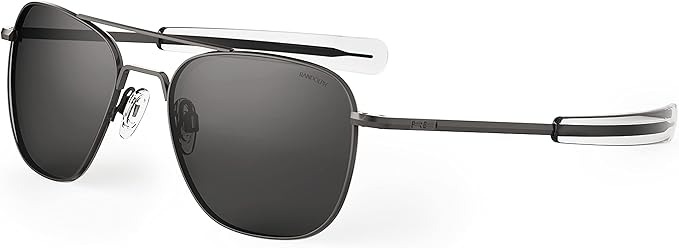
The Randolph Aviators are similar in offering to the Oakley and Ray-Ban options at the top of this list, just a touch less popular and a touch more expensive. They seem to be built with pilots in mind, but don’t sacrifice style either. However, you must custom choose to get non-polarized lenses!
Special Features:
- Slim fit for quick on/off
- Huge lenses
Benefits:
- Durable
- Stellar customer service/replacement program
Disadvantages:
- Pricey compared to similar products
- Polarized lenses are standard
How Do Pilot Sunglasses Work?
Instrument ratings are impressive and necessary for commercial flight, but nonetheless, most pilots would argue that good vision tops the list of “important pilot traits.” The military has some restrictions on corrected vision, but most general aviation standards allow for and encourage vision enhancers like contact lenses, and when battling the elements: sunglasses.
The classic shape of aviator shades is not only (arguably) stylish, but also functional as the large surface area allows for better protection from UV and helps avoid eye fatigue (e.g., less squinting and adjusting).
Frames and lenses for pilot sunglasses are also more durable than their everyday-wearer counterparts, and this combination of durability and functionality make for a simple-but-effective means of reducing the effects the sun has on a pilot in both the long-term and short-term.
Things to Consider With Pilot Sunglasses
The functionality does extend beyond just blocking out as much sun as possible, and here is a closer look at what to look at when picking your new aviators (in addition to style… because confidence is important for pilots, too).
Polarization
One of the key differences between pilot and civilian sunglasses is the need (or lack thereof) for polarization. The FAA recommends that pilots do not use polarized sunglasses, as the muffled reflection can make it difficult to read instruments, and can also reduce reaction time for pilots who encounter other aircraft (i.e., you WANT to see that shiny reflection off another wing).
Radiation Protection
UV radiation is talked about whenever discussing protection from the sun (glasses, tanning lotion), but it’s even more important for pilots. Not only is it nearly impossible to escape the sun in many aircraft, but the intensity of UV radiation increases by about 5% for every 1,000 feet of elevation.
With this in mind, pilots should be looking for 100% UV protection, which all of these options offer.
Lens Material
Lens material for aviator sunglasses is generally one of these three: Crown Glass, CR-39 Plastic, or Polycarbonate. They are fairly similar, and none will leave you at a loss, but each offers a different level of durability, UV protection (which increases with tints and coatings mentioned below), and size/thickness, depending on what suits your needs best.
Special Coatings
Coatings increase UV protection and prolong life, depending on the lens style. For glass and most plastic lenses, coatings are needed to reach the 100% UV protection that is recommended for aviators, and polycarbonate lenses often get coated in material that makes them more durable (pre-coating, glass generally last longer).
Pilot sunglass professionals also recommend that coated lenses be kept away from excessive heat (i.e., not kept in an aircraft), as the coating can become delaminated and ultimately obsolete.
Tint
Where polarization goes a bit too far with reducing shines and glares, tints are made to keep the sun’s light bearable, and the primary reason sunglasses were created in the first place (the name kind of gives it away).
The major tint offerings for pilot sunglasses are gray, green, and brown, and it’s really a “to each their own” situation when determining what combination best suits you.
Frames
Frame selection is a little less functional than lens selection, and there is no shame with making style your deciding factor for frames. However, frames that don’t allow for large lenses should be avoided, and trying to marry civilian frames with aviator lenses can sometimes cause a headache.
Photochromatic
Photochromatic lenses are technologically advanced, but not yet recommended for pilots by organizations like the FAA.
They are the lenses that automatically get darker when exposed to UV rays, but due to possible faultiness when experiencing high temperatures or odd cloud cover can actually cause more trouble than good in a lot of aviation situations.
Your Eyes are “Covered”
Having a good pair of pilot sunglasses is paramount for safety, and it never hurts adding a little style to your wardrobe, either!
From things you take with you from the cockpit like sunglasses and watches, to things that stay in place, there’s always new gear information available at flyingmag.com!
FAQ
What type of sunglasses do pilots use?
The classic “aviator” style is, indeed, sought out by non-pilots, but was created out of functionality. Pilots seek out sunglasses with large lenses to block as much sun as possible, but do not generally reach for polarized options, as it can cause issues with recognition of other objects in the sky.
How do I choose pilot sunglasses?
You should first ensure functionality, including large, non-polarized lenses, but sunglasses are pretty cool, too, so have some fun picking out ones you want to wear outside of the cockpit!
What aren’t pilot sunglasses polarized?
The FAA recommends that pilots do not use polarized sunglasses, as the muffled reflection can make it difficult to read instruments, and can also reduce reaction time for pilots who encounter other aircraft (i.e., you WANT to see that shiny reflection off another wing).
FLYING may earn revenue from the products available on this page and participate in affiliate programs.