Weather Tactics

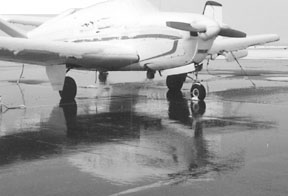
Rain on Planes

Very seldom does instrument training adequately prepare a pilot for flying in actual weather. While an instrument rating gives you the ability to fly in the clouds, the wisdom of knowing what to avoid is more difficult to earn. One weather situation that seldom comes up during training but that greatly increases the risk for the pilot is heavy rain.

The biggest risks of flying in heavy rain are the associated windshears, downdrafts and visual illusions. The problem can be particularly difficult during approach, where you have limited ability to divert unless you abandon the approach entirely.

Heavy rain showers, especially close to decision height, can be very distracting and furthe…
Read More »

Man Against Machine

One of the results of poorly assessing the risk involved with flying is reflected by the number of weather-related accidents that consistently grace NTSB logs, even in the face of widely available real-time meteorological data. A study of the accident record demonstrates that the raging debate about human versus mechanical observers largely misses the point.

Sure, human observers are superior in most respects and automated weather sometimes gives goofy and erroneous reports. On the other hand, automated weather stations allow observations from far more locations than was affordable for staffed stations. Both people and machines have strengths and weaknesses, but the more immediate point…

Read More »

Dogfighting Thor

Just imagine an early U.S. Mail pilot boarding the train with his mail pouch to continue westbound to deliver the mail. This may have been one of the earliest encounters of pilot vs. thunderstorm, with the pilot being unable to complete the flight as planned.

Have the odds changed with the advent of new technologies? General aviation pilots now have lightning detectors, improved ATC radar and communications, and some even are equipped with on-board color weather radar. Armed with these tools, should pilots reconsider the advice of their first flight instructors, who preached the merits of not even flying in the same county as a thunderstorm?

My first experiences in flying around thund…

Read More »

Gotcha

Any cloud connected to a severe thunderstorm carries the threat of violence. – AC 00-6A

One of the dangerous myths of aviation is that of the all-weather general aviation airplane. And while its true that modern technology has done wonders in making flying more reliable and safer, its important to remember that Mother Nature always has the last word. Heres an important case in point.

This mishap involved a turbocharged Piper Saratoga that broke up in flight in the vicious winds found in and around severe thunderstorms. The pilot was attempting to find his way through a band of thunderstorms, which extended from northeast to southwest over central New Mexico. Two cells ne…

Read More »

Snowhere to Hide

[IMGCAP(1)]Ill admit right up front that I live for winter. After dealing with the sweltering heat and high density altitudes of the summer, its a relief to have the cooler temperatures.

However, there are the obvious dangers with operating in a snowy climate, to include frost and snow covered aircraft surfaces, snow covered runways, rapidly changing weather, lower visibilities, more hours of darkness and icing, just to name a few.

In snow country, the preparation for a winter flight is more time-consuming than a summer flight because of these conditions, and requires some additional items and procedures.

When planning a winter GA flight, watch The Weather Channel. You can get…

Read More »

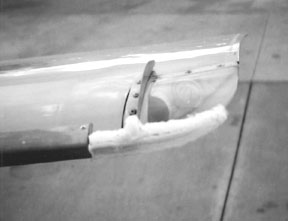
When Flying in Ice

[IMGCAP(1)]On Valentines Day 2000, Indy racer Tony Bettenhausen went down in a Baron 58 that was approved for flight in known icing conditions. FAA records show that in mid-afternoon the day before his fatal accident, he called Nashville Automated Flight Service Station to file an IFR flight plan and get a standard weather briefing.

He was told that along his route of flight there was a convective Sigmet reporting a line of thunderstorms 30 miles wide, with tops to 30,000 feet. In addition, the forecast called for moderate rime and mixed icing from the freezing level to 24,000 feet, with moderate turbulence below 15,000 feet. He updated the weather later, then wisely decided to cancel…

Read More »

Living With Mins

[IMGCAP(1)]The pilot-in-command is in control of the safety of the passengers and care of the airplane. His judgment is the deciding factor in whether the flight should go or not go. His decisions are based on his evaluation of the conditions existing for a safe flight. He doesnt give in to the demands or influences of the passengers.

He also knows he cant always rely on the FAA weather minimums as guidelines for the safety of his flight. FAA minimums for flight – both VFR and IFR – are the absolute minimum weather conditions to legally fly. They are not – nor were they ever intended to be – the standard every pilot can use to determine the level of safe operating procedures.

Not e…

Read More »

Spotting Trouble

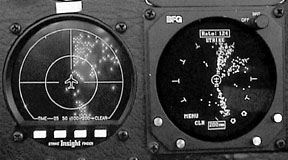
[IMGCAP(1)]Thunderstorm. That word causes more angst among aviators than just about any other atmospheric phenomenon. The thought of getting tangled up in the violent bowels of a mature thunderstorm – heavy rain, severe turbulence, hail and lightning – weighs heavily on the mind of any pilot flying or planning to fly when thunderstorms are active.

And that angst is well founded. Every year a number of aircraft, their pilots and passengers are lost to thunderstorms.

A vast array of ground-based and airborne technology, probably worth billions of dollars, is dedicated to helping pilots identify and avoid thunderstorms. The past 20 years has brought a wide acceptance of cockpit-based lig…

Read More »
Pilot in aircraft
Sign-up for newsletters & special offers!

Get the latest stories & special offers delivered directly to your inbox.

SUBSCRIBE