Aviation Safety

A New Homebuilt And Rusty Pilots

They expressed their nervousness, which was understandable. Who wants to show their flight skills to a critic when those skills are at low proficiency? It is human nature to want to show your best side, but a rusty pilot flight review will show the naked truth. I explained there is nothing wrong with being out of practice, and a flight review is not a test, but an opportunity to learn. Their anxiety acknowledged, we moved on to the needed practice.
Read More »

Is ADS-B In Helping?

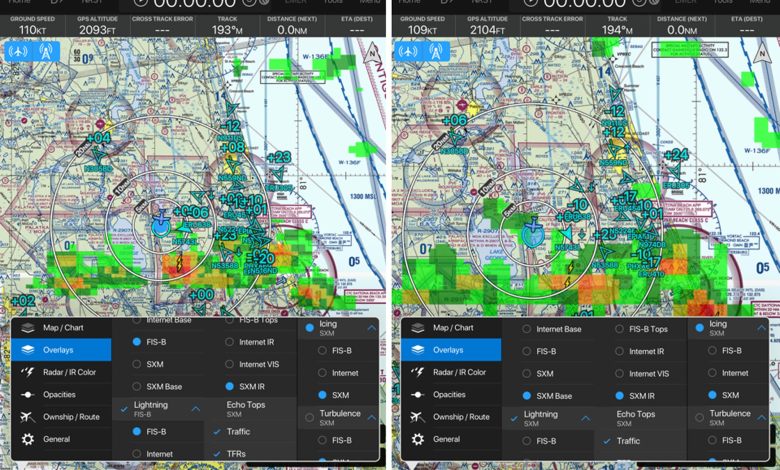
There probably are few pilots in the U.S. who arent aware of ADS-B and its In and Out flavors. The traffic and weather services ADS-B In brings to the cockpit have proven popular and inexpensive, portable receivers used with consumer-grade tablet computers have proliferated along with panel-installed equipment to bring enhanced situational awareness to even the lowliest cockpit. Yes, the data and information available through ADS-B In is for advisory purposes only-it cant be used in lieu of airborne radar or collision-avoidance equipment required by operating rules.

Read More »

Dark Acceleration

I like to fly at night. The air generally is smoother, theres less traffic, the ATC frequencies are not as busy and ground illumination, the moon and the stars can compete in one of the best light shows youll ever see. Of course, humans were never meant to fly in the first place, and we often have difficulty actually seeing things at night. So we need to be mindful of night flyings risks and adopt procedures or limitations mitigating them.

Read More »

Flying On The Ground

Your primary training probably included a diagram explaining where the elevator and aileron controls should be positioned based on where the wind is coming from while taxiing. When we have such wind conditions-and even when we dont, if we want to be honest- we can and should use the ailerons to help control the airplane on the ground. Alas, we dont always have that diagram available, and its easy to forget whether the upwind wings aileron should be down or up. (Hint: It depends.) Lets try to come up with a one-size-fits-all understanding of when and how to use ailerons on the ground.

Read More »

Child Is My Copilot

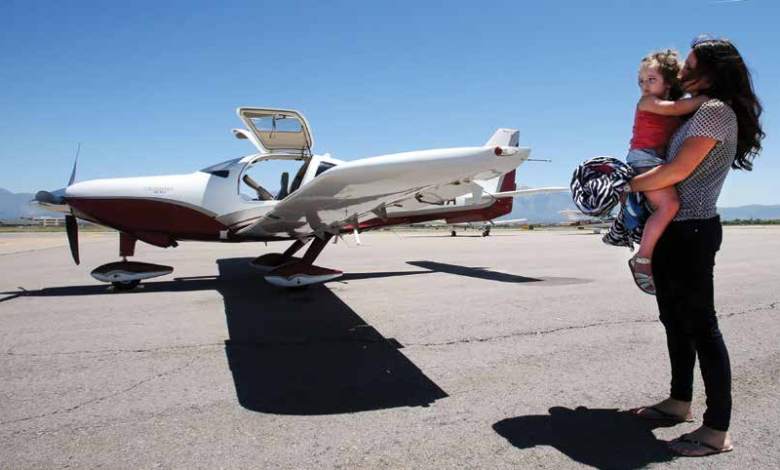
Squirreled away in a shoe box somewhere, I have a 3 x 5 print (remember those?) of my then-infant son bundled into the back seat of a Cessna 172. It was his first flight, and Im proud to have been the pilot to initiate him, even though he doesnt remember it. I dont have a formal record, but both he and my slightly younger daughter have since logged enough time as my passengers to easily meet the minimum total time required for a private certificate. But before that first flight, his mother and I researched what steps we could take to make it successful.

Read More »

Cockpit Stress

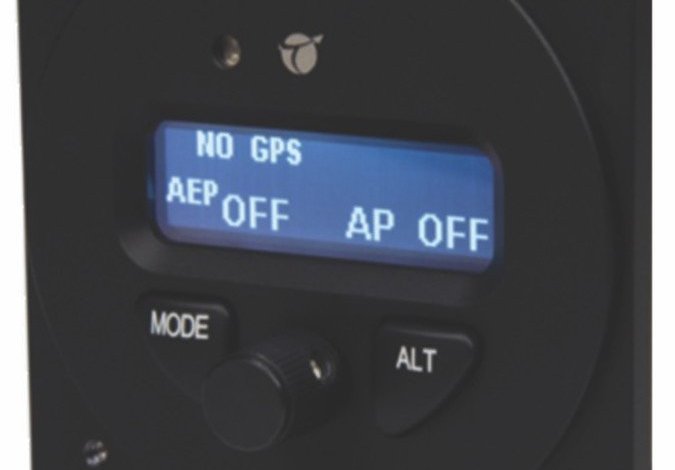
Knowing of the low overcast, if that pilots autopilot had this auto-capture feature, his motivation would have been to ease his workload and obviate spatial disorientation during transition into the clag. The effect of his action would have been to capture the airport elevation as target altitude. The TruTrak, at least, takes a few seconds to process and implement settings, so that the airplane would be expected to do exactly what it did: ascend into the clouds and a few seconds later return to the preset target altitude of the runway.

Read More »

Superior Pulls Engines From Service

When we first learned of the breadth of the detonation problem, we contacted XP-400 engine owners and paid to have them ship their engines to our facility for evaluation, Superiors Bill Ross told sister publication Kitplanes. We disassembled, inspected and tested the key components in each engine, he said, but even after adjusting the ignition timing specification, the results were still unsatisfactory. In response, the company decided to ground affected engines and create a buyback program.

Read More »

Losing Attitude

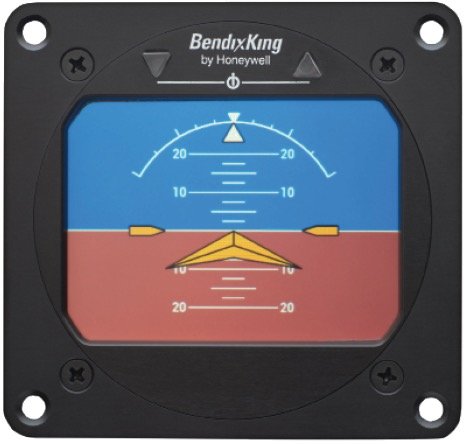
All other things being equal, one of the benefits of a primary flight display (PFD, which presents flight instrumentation on an electronic panel) is its use of a solid-state attitude and heading reference system, sometimes known as an AHARS. By using an AHARS to determine which side is up and in which direction the airplane is pointed, the vacuum-driven system is avoided and usually only an electrical system failure or failure of the display itself can eliminate the flight instruments. (Certification rules require backup flight instruments when a PFD is present but not when steam gauges are energized by a vacuum pump.)

Read More »

NTSB Reports

As the airplane was vectored to avoid cells and areas of heavy precipitation, the controller queried the pilot about his inability to maintain assigned headings. The pilot reported that his autopilot had kicked off and that the winds are really weird up here. At about 1310, the airplane slowed to about 70 knots groundspeed on a northeasterly heading before it began an accelerating 90-degree right turn to the south. By 1313, the controller again asked, …appears you’ve turned back to the northwest and…are you going to turn back eastbound? The pilot replied, I don’t know what’s going on up here. I’m working on instruments…acting really goofy here. Shortly thereafter, the airplane turned and descended from a northerly heading sharply to its right. The radar track tightened to the right as the target rapidly descended, then disappeared at about 1315 in an area that depicted heavy precipitation.

Read More »
Pilot in aircraft
Sign-up for newsletters & special offers!

Get the latest stories & special offers delivered directly to your inbox.

SUBSCRIBE