











Burden Of Ownership: Accident Probe 01/06
Some Airworthiness Directives may not seem all that important. Others are critical.

Some Airworthiness Directives may not seem all that important. Others are critical.

How many regulatory, operational and medical corners can we cut before something bad happens?

Even though the weather may be clear, when flying in the mountains what you cant see can bite you.
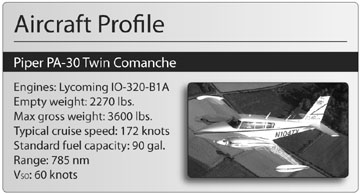
An experienced pilot botches a nighttime ILS to minimums. Is that all there is to it?
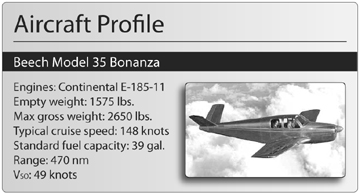
If humans had been meant to fly at night, they would have been given better internal gyros.

Its never a good idea to try beating a thunderstorm to your destination.
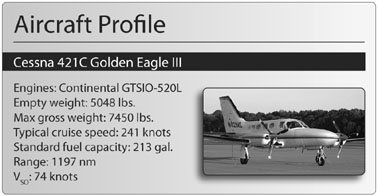
In-flight emergencies may require us to divert but we still have to fly the approach
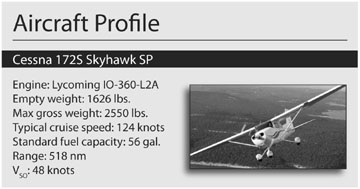
A relatively inexperienced pilot botches his landing on a short, soft turf runway.
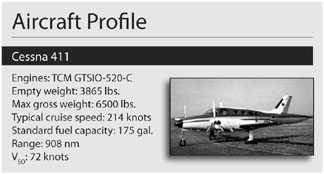
A rusty pilot attempts to ferry a twin with fuel-system and propeller problems.
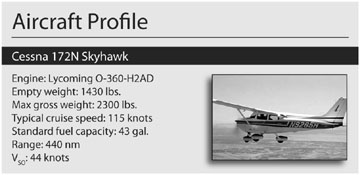
A low-time pilot elects to fly into deteriorating weather at night and without an Instrument rating. The result was predictable.

Get the latest stories & special offers delivered directly to your inbox.
SUBSCRIBE