













There’s no question the global positioning system, GPS, has revolutionized the way everyone on the planet navigates. In little more than 25 years, the technology has become ubiquitous in automobiles, cellular phones and cameras, to name only a few devices. Oh, and aircraft surveillance/navigation systems, too, which may be its most critical application. None of this would have happened if its reliability and accuracy weren’t so much better than the electronic navigation systems that came before.
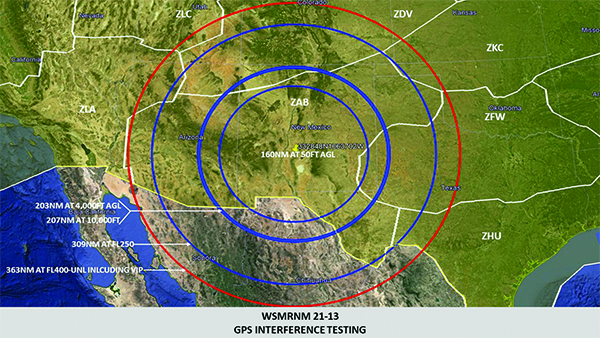
Perhaps because of its reliability and accuracy, the U.S. military has for years conducted research into how GPS may be jammed and how jamming can be countered. That testing is conducted at various locations, including offshore, and presumably can affect GPS signal availability and quality throughout the U.S. Of course, any jamming of GPS for whatever purpose is designed to disrupt its availability to all users, including airborne aircraft. The military’s jamming research has and likely will continue to impact civilian users, including aircraft operators. That’s important because not only is GPS increasingly the sole aviation navigation system in many areas, it’s also a core technology of ADS-B, the FAA’s surveillance system.

