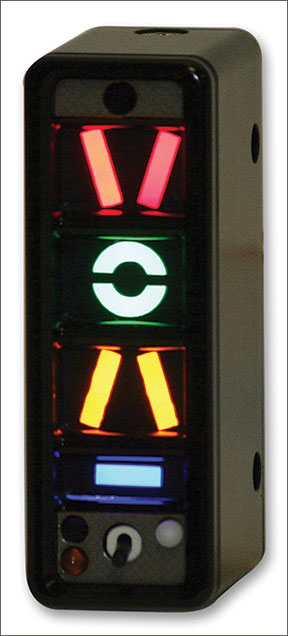
Several of our previous issues have included articles about the benefits of angle-of-attack (AoA) indicators, including discussions of how and why to install them, and how to fly with them. In recent years, reduced costs for many of their components—including processors and displays—has increased their popularity.Several of our previous issues have included articles about the benefits of angle-of-attack (AoA) indicators, including discussions of how and why to install them, and how to fly with them. In recent years, reduced costs for many of their components—including processors and displays—has increased their popularity.
The FAA announced a new policy on February 5, 2014, to simplify design and production approval for supplemental Angle-of-Attack (AoA) indicators intended for installation in general aviation aircraft where they are not required.
This policy aims to improve safety by preventing loss-of-control accidents, such as stalls and spins, and requires manufacturers to adhere to an ASTM standard.
However, the new procedures do not streamline the certification of AoA *installations* in personal aircraft, and the announcement coincided with Congressional hearings on FAA regulations, suggesting external pressure.
Several of our previous issues have included articles about the benefits of angle-of-attack (AoA) indicators, including discussions of how and why to install them, and how to fly with them. In recent years, reduced costs for many of their components—including processors and displays—has increased their popularity.
288
CREATE A FREE ACCOUNT
Sign up to keep reading
Create a free account to continue. Already a member? Sign in below.