














Register

ALPA Renews Call for Strengthened ADS-B Requirements

Union argues that integrated ADS-B In could have prevented January 2025 midair collision in Washington, D.C.

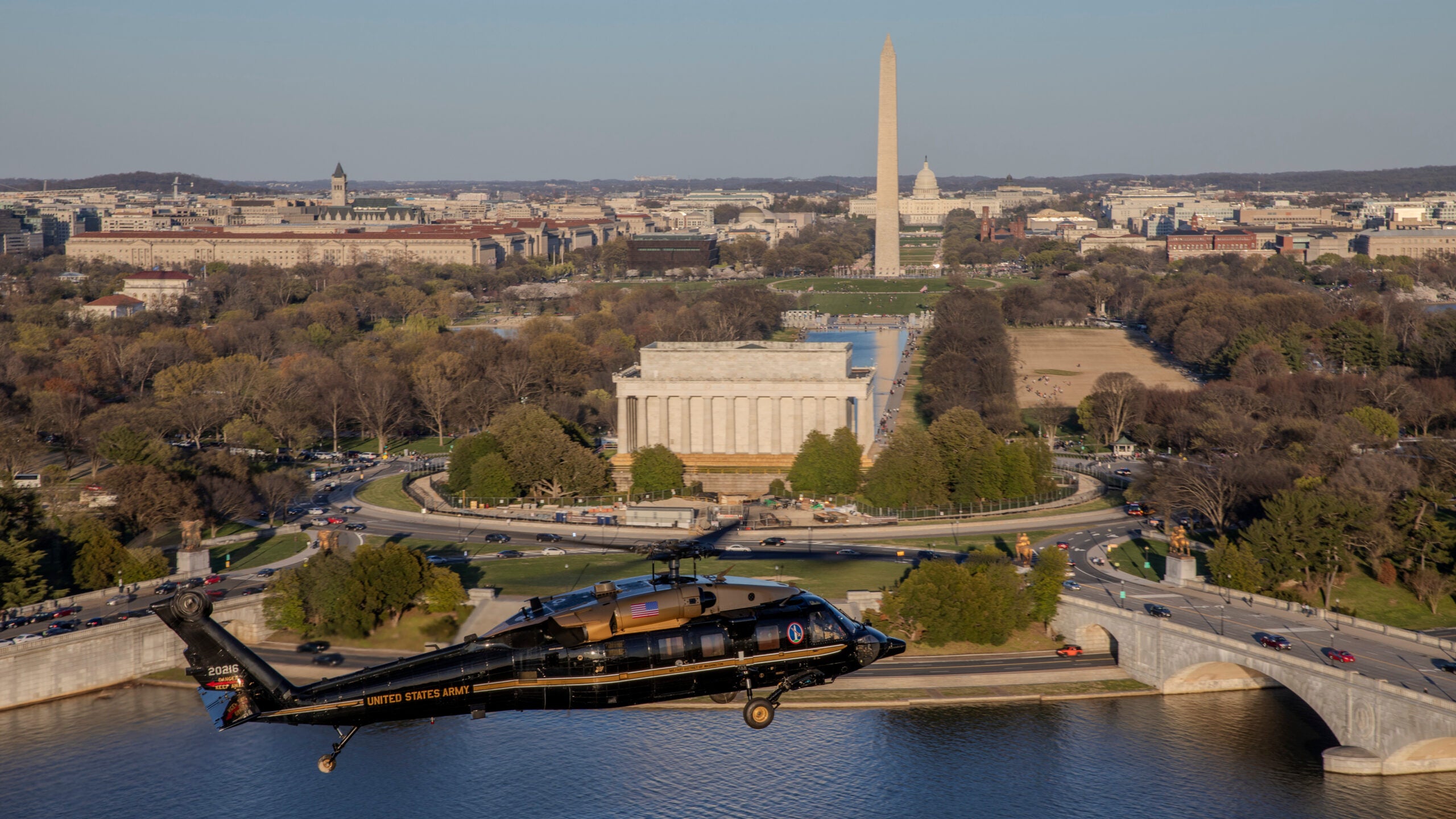
U.S. Army Black Hawk helicopter flies near Washington D.C.
A U.S. Army Black Hawk flies over Washington, D.C. [Credit: Nicholas Priest/U.S. Air Force]
Gemini Sparkle

Key Takeaways:

  • The Air Line Pilots Association (ALPA) and the family of a pilot killed in a D.C. midair collision are advocating for a federal mandate requiring all civilian and military aircraft to use ADS-B In technology.
  • This push is a direct response to the collision where a military helicopter had its ADS-B Out system turned off, a tragedy ALPA believes ADS-B In could have prevented.
  • While the Senate passed the ROTOR Act to mandate ADS-B In, the House's ALERT Act does not, prompting ALPA to urge lawmakers to include this crucial requirement in the final aviation safety legislation despite national security concerns.
See a mistake? Contact us.

The Air Line Pilots Association (ALPA) and the family of a pilot killed in last year’s midair collision in Washington, D.C., are calling on lawmakers to strengthen ADS-B requirements as Congress works out new aviation safety legislation.

ALPA president Jason Ambrosi said Monday that the organization wants to see a federal mandate for the use of ADS-B In technology across both civilian and military aircraft. Most aircraft are already required to use ADS-B Out, which continuously broadcasts position and altitude, but use of ADS-B In, which receives air traffic information, is optional.

ALPA has been particularly focused on standardizing ADS-B requirements for the military, which often flies without ADS-B Out or In activated. The U.S. Army Black Hawk helicopter involved in last year’s collision was equipped with ADS-B Out but had it turned off.

“Integrated ADS-B In could have made the difference for the 67 lives lost in that tragedy,” Ambrosi said.

Late last year, the U.S. Senate passed the ROTOR Act, which would require most aircraft, both civilian and military, to integrate and use ADS-B In, with narrow exceptions on national security grounds. ALPA endorsed the legislation, as did NTSB Chair Jennifer Homendy and many family members of those killed in the D.C. collision.

But the bill failed in the House, and in April the chamber approved its own aviation safety proposal, the ALERT Act, which its supporters said was based directly on National Transportation Safety Board recommendations in its final report on the accident. But the ALERT Act does not mandate ADS-B In, and critics argue that it largely maintains the status quo for military aircraft.

Ambrosi said ALPA’s goal is not to relitigate ROTOR versus ALERT but to ensure that the ADS-B In requirement is added to the final bill, however it takes shape.

Tim and Sheri Lilley, the father and stepmother of Sam Lilley, a PSA Airlines pilot killed in the crash, joined Ambrosi in backing the adoption of stronger ADS-B In language.

“We know that this was not just one failure,” Sheri Lilley said. “What we need to see instead is multilevel safety architecture.”

Supporters of the ALERT Act have said that ADS-B requirements for the military risk exposing aircraft movements to foreign adversaries.

Zach Vasile

Zach Vasile is a writer and editor covering news in all aspects of aviation. He has reported for and contributed to the Manchester Journal Inquirer, the Hartford Business Journal, the Charlotte Observer, and the Washington Examiner, with his area of focus being the intersection of business and government policy.

Ready to Sell Your Aircraft?

List your airplane on AircraftForSale.com and reach qualified buyers.

List Your Aircraft
AircraftForSale Logo | FLYING Logo
Pilot in aircraft
Sign-up for newsletters & special offers!

Get the latest stories & special offers delivered directly to your inbox.

SUBSCRIBE

