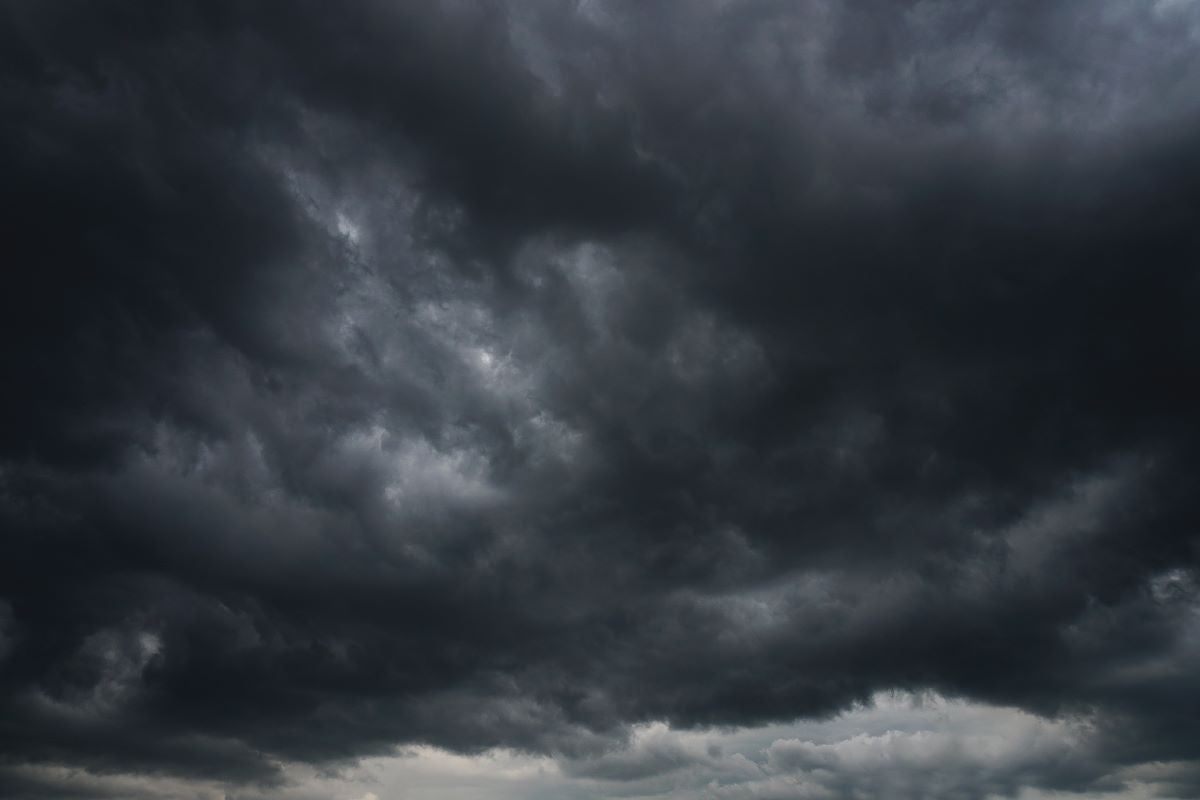
The FAA has backup generators and fuel for them standing by in case they are needed in the event of commercial power outages. [Credit: iStock]
Key Takeaways:
The FAA has a comprehensive, year-round hurricane preparedness strategy, coordinated by its Joint Crisis Action Team, to ensure rapid restoration of air service after storms.
This includes protective measures for FAA facilities and equipment, such as securing radar antennas and designing control towers to withstand hurricane-force winds, with controllers evacuating to safer areas.
Following a storm, the FAA prioritizes quick recovery using backup generators, pre-positioned repair teams, and close coordination with federal and state authorities to facilitate relief efforts and manage airspace.
The FAA prepares for hurricanes year-round, and has procedures in place for when and where they strike, which also helps it to restore air service quickly after the storms pass.
According to the agency, the Joint Crisis Action Team at the FAA Command Center oversees and coordinates planning before a storm hits as well during the aftermath and cleanup.
CREATE A FREE ACCOUNT
Sign up to keep reading
Create a free account to continue. Already a member? Sign in below.
Meg Godlewski has been an aviation journalist for more than 24 years and a CFI for more than 20 years. If she is not flying or teaching aviation, she is writing about it. Meg is a founding member of the Pilot Proficiency Center at EAA AirVenture and excels at the application of simulation technology to flatten the learning curve. Follow Meg on Twitter @2Lewski.