













Register

Accidents: Shear

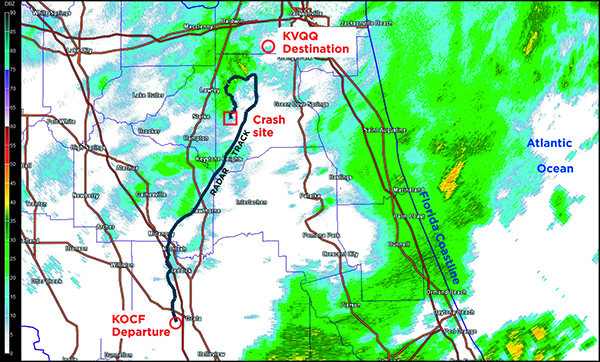
This radar track of the aircraft with NEXRAD overlay shows an erratic path, likely due to wind and turbulence.
Gemini Sparkle

Key Takeaways:

  • A general aviation pilot crashed due to spatial disorientation in Instrument Meteorological Conditions (IMC), compounded by self-induced pressure and a failure to obtain a pre-flight weather briefing.
  • The accident occurred in an environment of severe to extreme turbulence, caused by a complex weather pattern with strong wind shear and directional changes, even in the absence of traditional severe weather phenomena.
  • This case underscores the critical importance for pilots to conduct thorough weather briefings, understand subtle yet potent hazards like wind shear, and avoid self-induced pressure to complete a flight in adverse conditions.
See a mistake? Contact us.

Once again we delve into aviation accidents. The official 2019 numbers won’t be out until November, but the 2018 NTSB release showed there were 1347 accidents with 393 fatalities. The vast majority of these, as we might expect, were general-aviation accidents, with a sizable number of them due to weather. The airlines, charter operators, and medical services didn’t escape unscathed, having logged 72 accidents.

With aircraft continuing to have accidents, there’s still plenty of work to do to emphasize safety. Our focus in Wx Smarts is on the weather picture. And one of the best ways to drive the point home and teach the hazards is using real-life stories about pilots perhaps not unlike you. Our analyses here aren’t specifically about the accidents, but instead about the weather as it played a factor and how the pilot might have safely navigated the existing conditions. 

Ready to Sell Your Aircraft?

List your airplane on AircraftForSale.com and reach qualified buyers.

List Your Aircraft
AircraftForSale Logo | FLYING Logo
Pilot in aircraft
Sign-up for newsletters & special offers!

Get the latest stories & special offers delivered directly to your inbox.

SUBSCRIBE
