The Piper Cherokee/Archer series features a remarkably enduring design, with the basic cockpit layout and core engine type (Lycoming O-360) remaining largely consistent over decades, though avionics have been updated.
Significant design evolutions include the introduction of a longer, semi-tapered wing in 1976 (Archer II) for improved roll control and climb performance, and a stretched fuselage in 1973 to increase cabin and door size.
Other notable modifications over time include the 1968 "SportsPower console" for throttle/mixture controls and various refinements to components like the propeller spinner, exhaust, and engine cowl.
An exploration of the famous design that has lasted through decades of innovation.
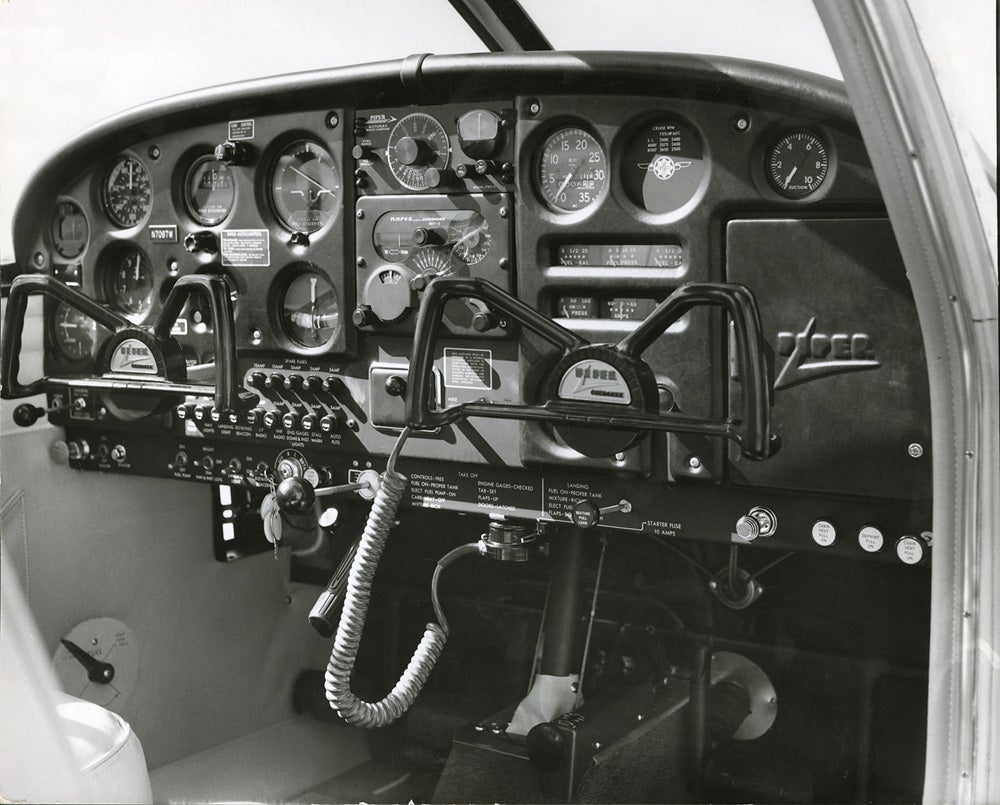
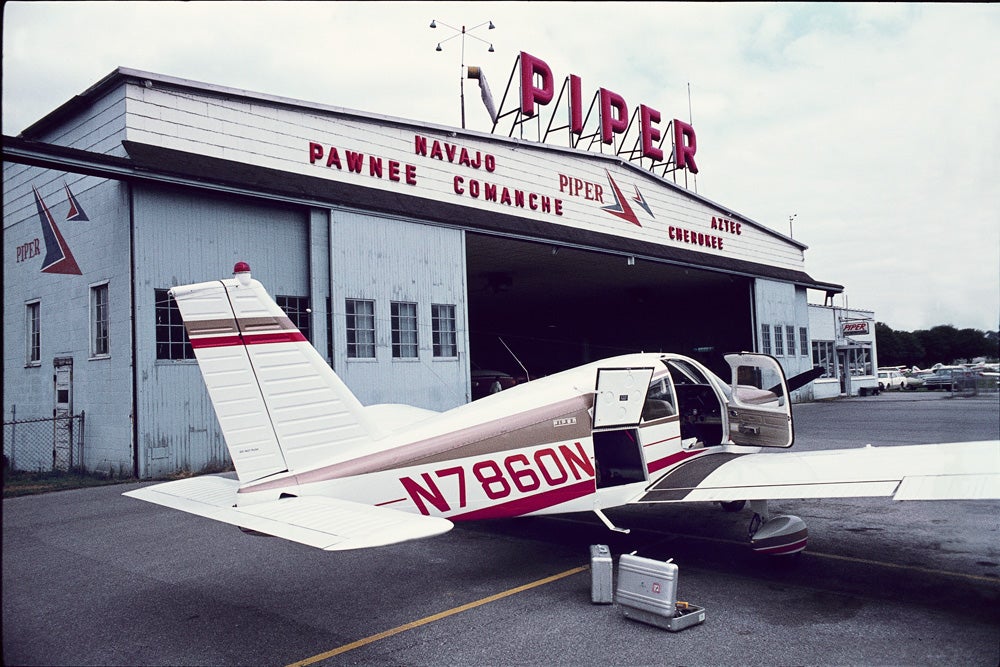
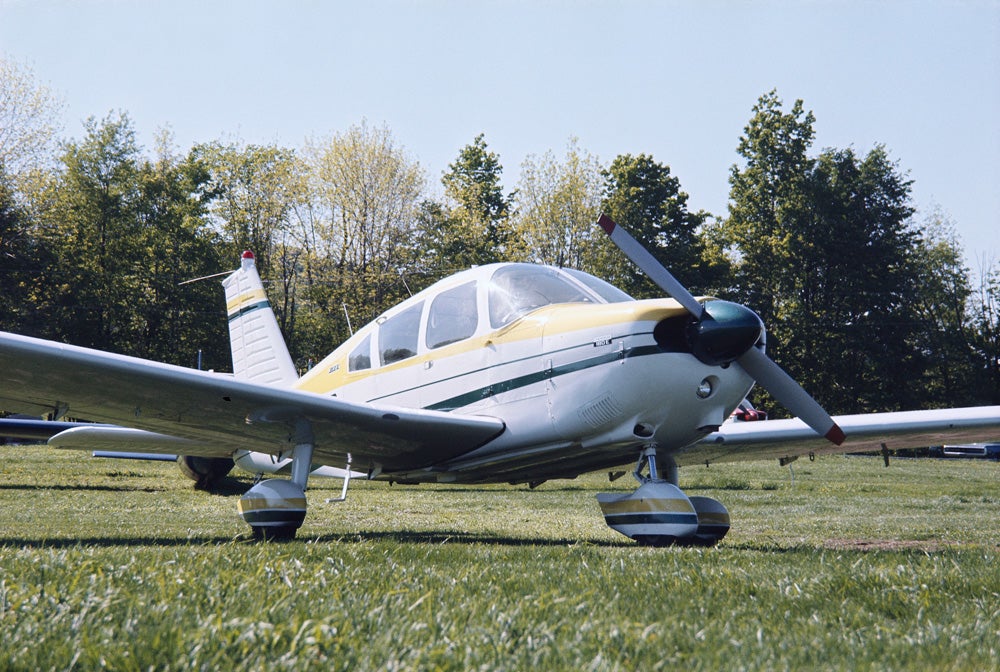
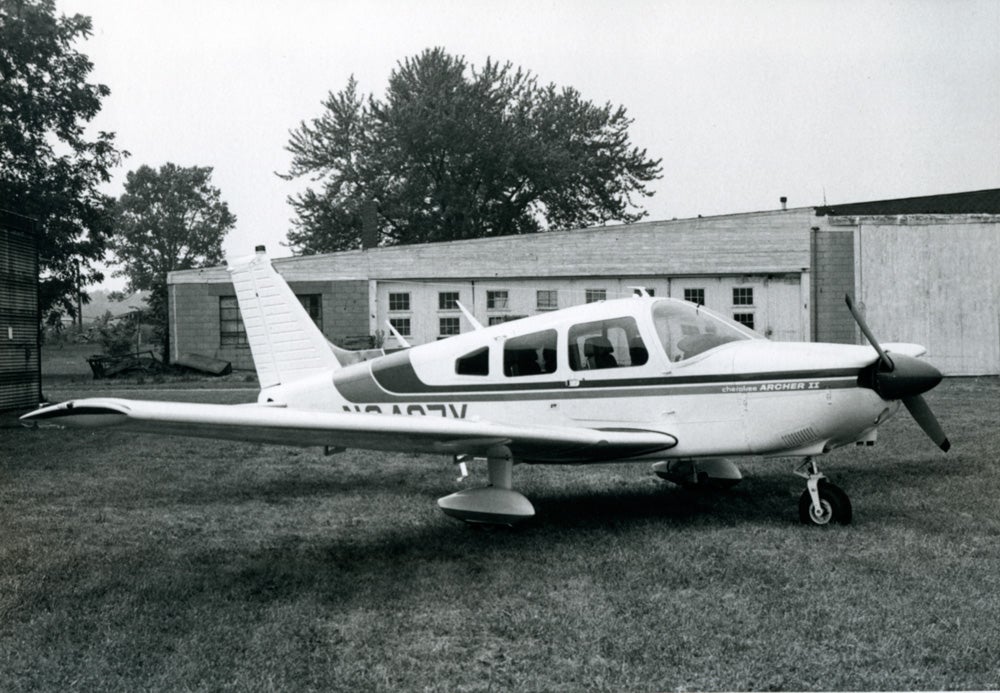
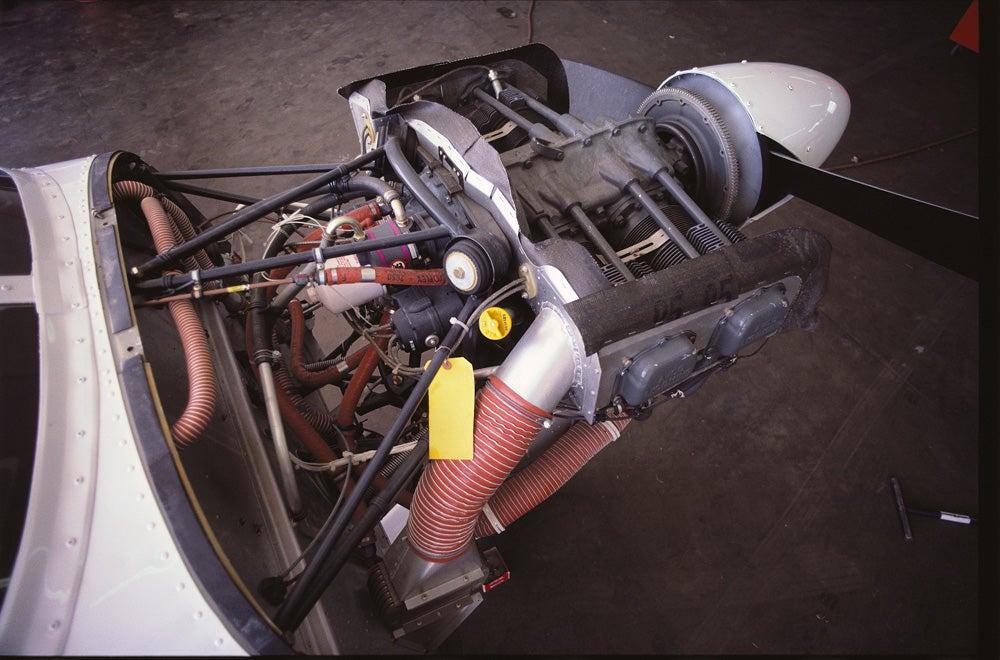
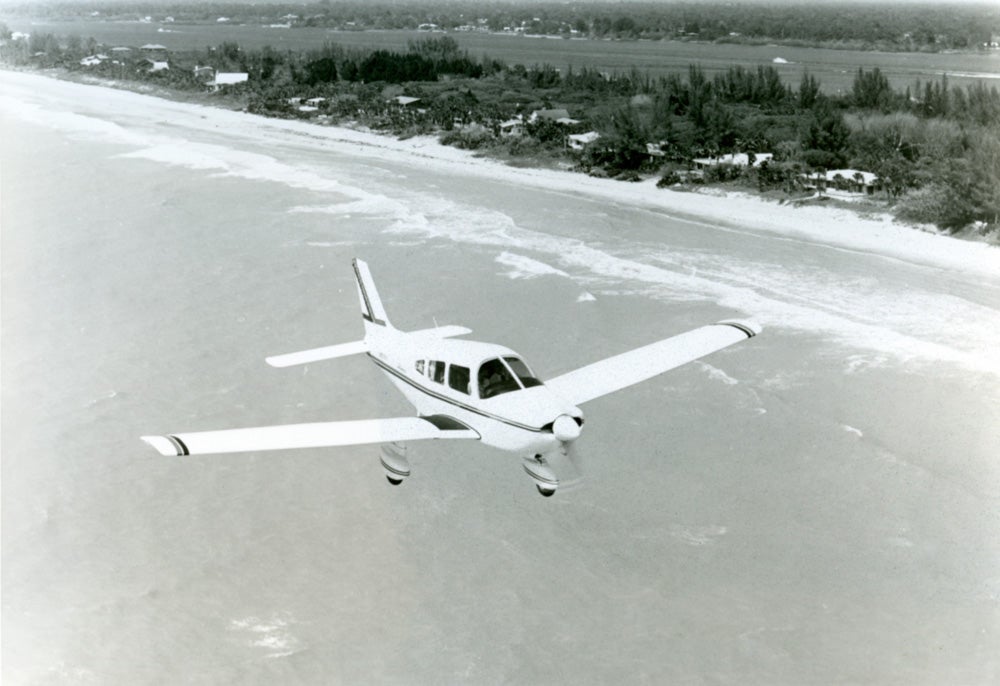
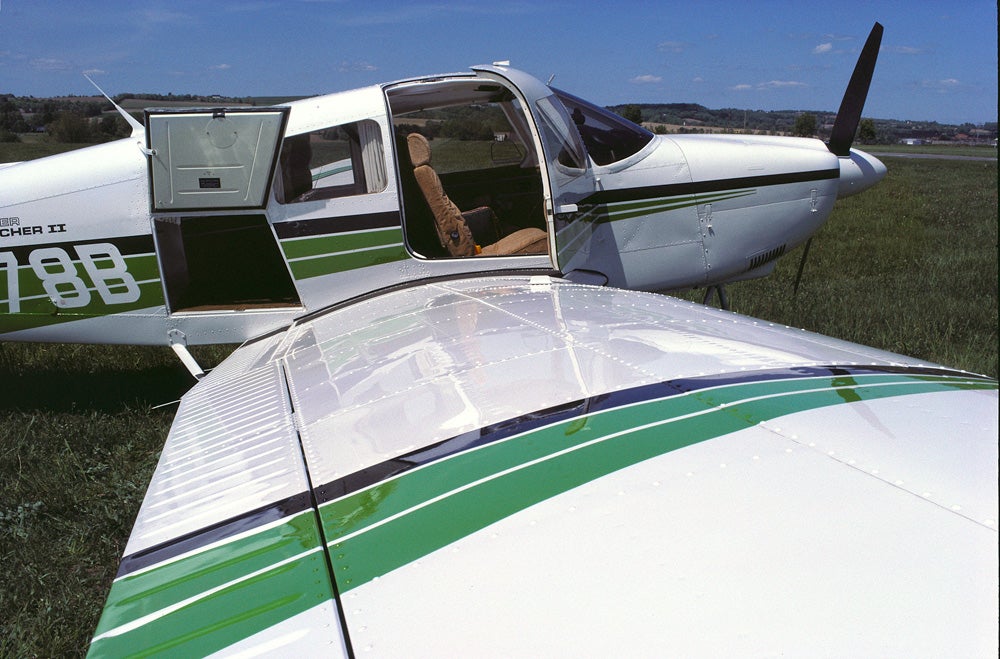
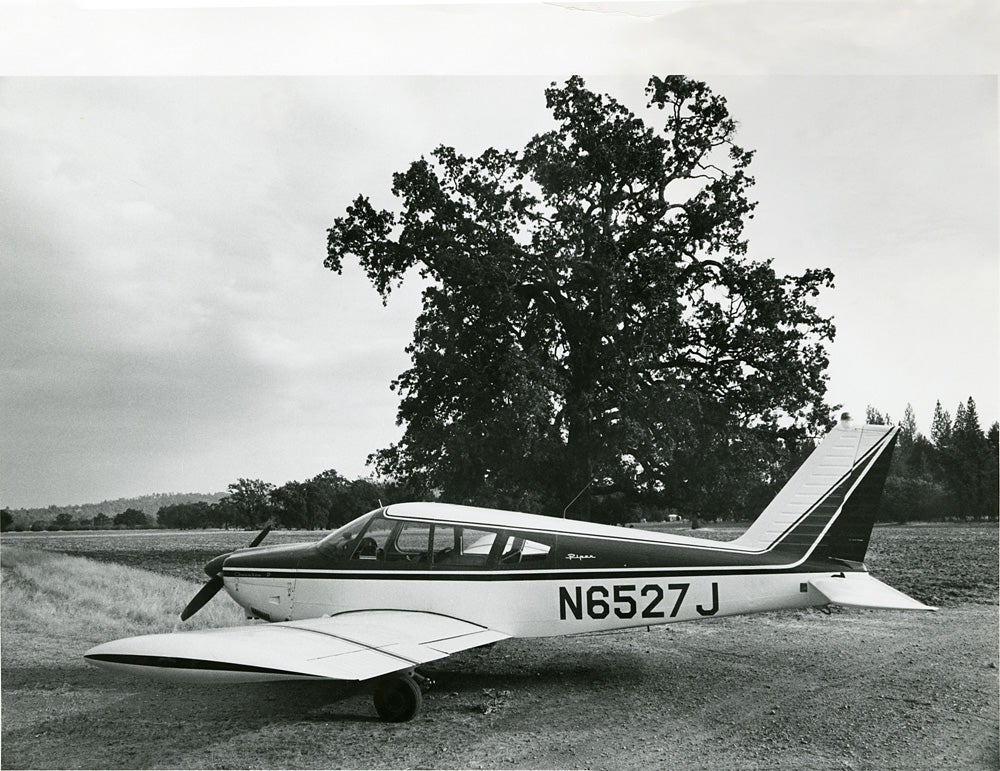
**The Piper Auto Nav PRC3 and Narco RDF VHT3 avionics in this 1962 Cherokee instrument panel was the top of the line of its day. While numerous avionics changes have been made through the years, few changes have been made to the basic cockpit layout. The fuel selector, parking brake, trim and Johnson bar flaps are still in the same locations and look very similar. Some significant modifications include the change from the push-pull throttle and mixture to what Piper called the SportsPower console for the 1968 model, a design that sets the Cherokees apart from other single-engine airplanes, and the fairly recent move to overhead electrical switches with the Archer III. ****N7860N was originally a 1969 model Cherokee 180D, which was transformed into a 1970 180E model. It’s parked in front of one of Piper’s hangars in Lock Haven, Pennsylvania, where Piper had its headquarters until 1972. By the early 1980s, Piper had moved all its operations to Vero Beach, Florida, where the company had already produced the Cherokee line for two decades. ****Between 1965 and 1972, several modifications were made to improve the propeller spinner, exhaust system, engine cowl, soundproofing and avionics. During the year that this 1970 Cherokee 180 came off the line, only the 180-horsepower version was available, though Piper reintroduced the 140 as the Cruiser and the 150 as the Warrior a couple of years later. ****In 1976, Piper introduced the Archer II. The airplane’s designator changed from PA-28-280 to PA-28-181 as the Hershey-bar wing was replaced by a longer, semi-tapered design — a concept introduced a couple of years earlier on the Piper Warrior. The inner panels were constant chord, while the outer panels were tapered, giving the airplane lighter roll control and a slight boost in climb performance. ****Not much has changed under the Archer’s engine cowl through the years. The Cherokee 180 entered the market with a Lycoming O-360-A3A engine with a 1,200-hour TBO. Larger exhaust valves were introduced in 1967, and the TBO was raised to the current 2,000 hours. Today’s Archer continues to fly with a normally aspirated, four-cylinder, 180-horsepower Lycoming O-360-A4M. **Piper dropped the Cherokee name in 1976, and the airplane was marketed strictly as the Archer II. With the exception of the engine cowl and paint scheme, the exterior of this 1981 Archer II is essentially identical to the airplanes delivered out of Vero Beach today.**In 1973, the Archer’s fuselage was stretched to increase the cabin size and the door size was increased to facilitate ingress and egress. The baggage compartment is easy to access and the ingenious strap design that holds the baggage door open with the simple snap of a button has been around since the 1960s. **
CREATE A FREE ACCOUNT
Sign up to keep reading
Create a free account to continue. Already a member? Sign in below.
















 |
|
