













Register

Winter Weather’s Dirty Half-Dozen

Peter Nguyen
Gemini Sparkle

Key Takeaways:

  • Beyond in-flight icing, winter introduces "six dangerous" flying threats including widespread darkness, stronger winds, persistent fog, low ceilings, hazardous snow conditions (often causing P-static), and slippery runways.
  • These conditions disproportionately increase accident risks for general aviation pilots by challenging visibility, aircraft control, and navigation, particularly at less-equipped airports compared to major airline operations.
  • The primary defense against these winter hazards is to adopt a highly conservative approach, which involves setting stricter operational limits, extensive flight planning, practicing specific skills like night flying, and being prepared to delay flights or choose better-equipped airports.
See a mistake? Contact us.

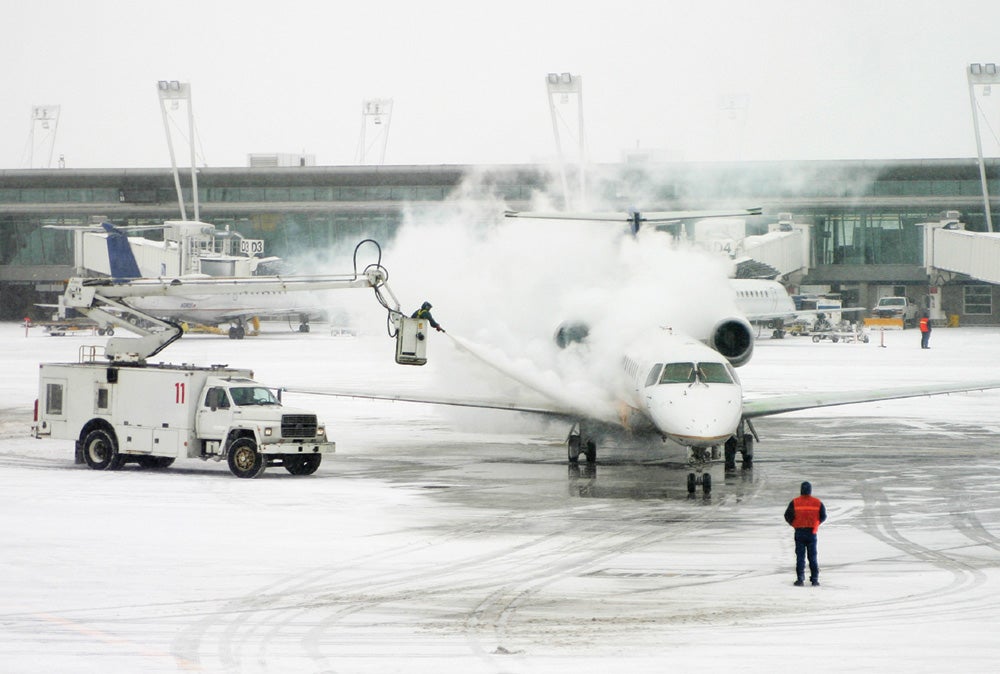
When any pilot considers cold-weather flying, in-flight airframe icing is first and foremost on the list of worries. Icing is an important safety risk to all types of airplanes, and a great deal of cost and effort is spent to avoid icing or to safely remove it or prevent it from accumulating. But the cold months bring many more widespread threats to flying safety and cause many, many times more accidents than in-flight icing. They are the dangerous six, or winter weather’s worst half-dozen threats.

Darkness
By last September, the hours of darkness caught and passed the amount of daylight in every 24 hours in the Northern Hemisphere. By the time the cold of winter set in, the number of daylight hours, depending on your latitude, shrank to eight or less in the northern parts of the contiguous United States. In Alaska, the sun barely made an appearance.


Ready to Sell Your Aircraft?

List your airplane on AircraftForSale.com and reach qualified buyers.

List Your Aircraft
AircraftForSale Logo | FLYING Logo
Pilot in aircraft
Sign-up for newsletters & special offers!

Get the latest stories & special offers delivered directly to your inbox.

SUBSCRIBE