














Register

NTSB Blames Asiana 777 Crash on Pilot Actions

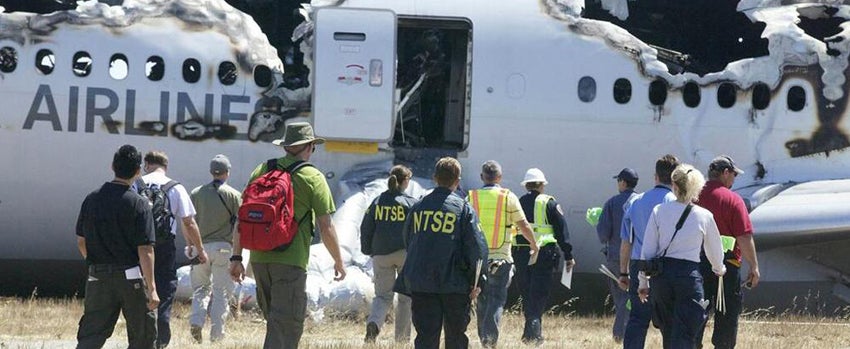
** Investigators at the scene of the Asiana 214
crash.**
Gemini Sparkle

Key Takeaways:

  • The NTSB concluded that pilot error, stemming from a misunderstanding and over-reliance on the Boeing 777's automated systems, caused Asiana Airlines Flight 214 to crash.
  • The flight crew inadvertently engaged a climb mode, then deactivated the autopilot and reduced power, mistakenly placing the autothrottles into "HOLD" mode, which led the aircraft to fly too low and too slow.
  • Pilot fatigue and poor cockpit resource management were also cited as contributing factors, prompting the NTSB to issue safety recommendations regarding the 777's autoflight systems, flight directors, and low-energy alerting systems.
See a mistake? Contact us.

The National Transportation Safety Board released its final conclusions about what caused the crash of Asiana Airlines Flight 214 in San Francisco last July, blaming the pilots for making a series of critical missteps related to the Boeing 777’s automated systems.

At a hearing in Washington, D.C., this morning, the NTSB highlighted one mistake in particular for setting up the conditions in the cockpit that led the airliner to lose speed and crash-land short of the runway. Investigators say the relatively inexperienced captain who was flying the visual approach to San Francisco’s Runway 27L, concerned about being too high and too fast when 5 nm from the runway, changed the autopilot mode, inadvertently causing the 777 to start a climb back to the selected go-around altitude of 3,000 feet.


Ready to Sell Your Aircraft?

List your airplane on AircraftForSale.com and reach qualified buyers.

List Your Aircraft
AircraftForSale Logo | FLYING Logo
Pilot in aircraft
Sign-up for newsletters & special offers!

Get the latest stories & special offers delivered directly to your inbox.

SUBSCRIBE
