Register

Talk to Yourself. It Works.

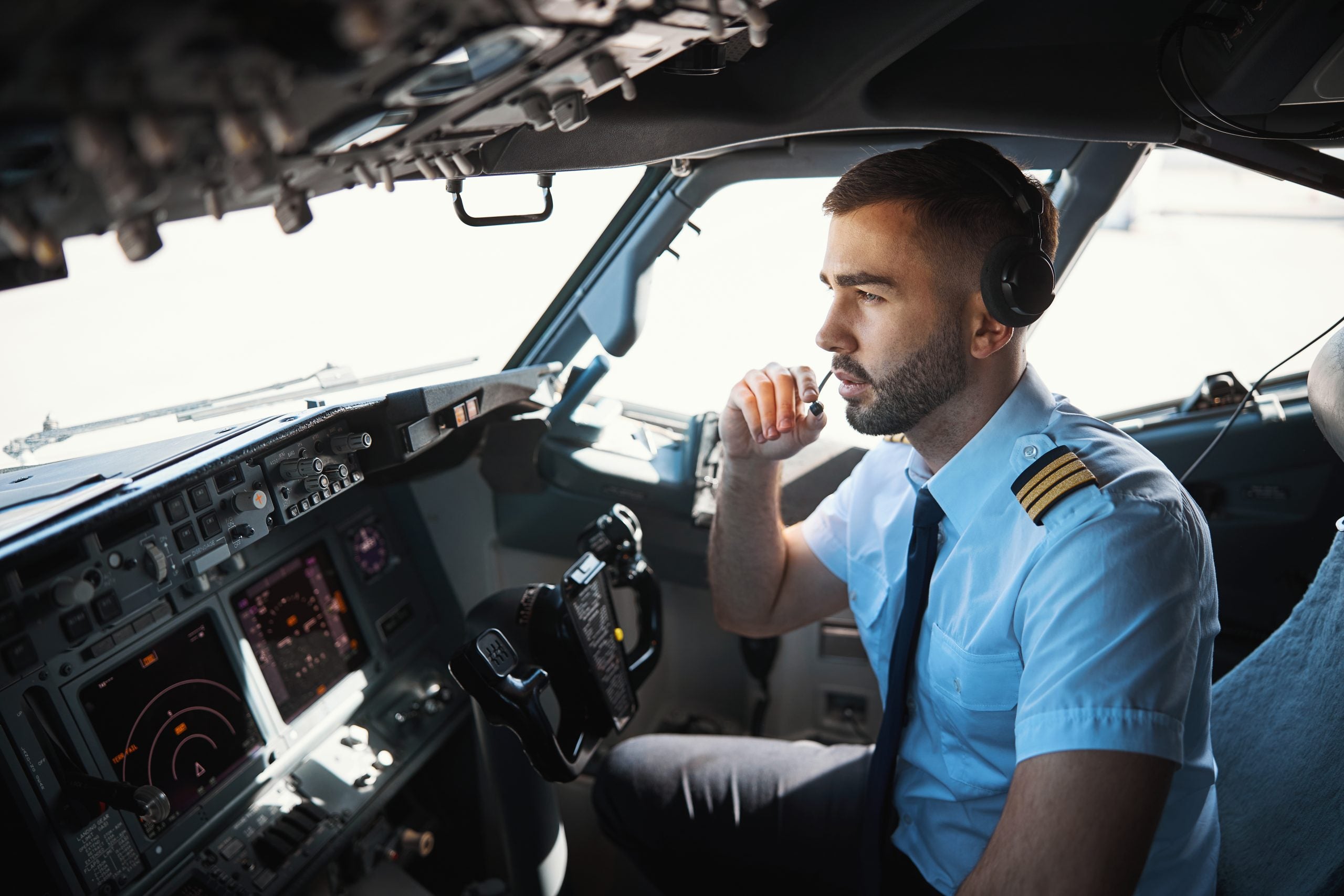
Michael Wildes says self-talk can guide you through the many processes of flying an aircraft. Adobe Stock
Gemini Sparkle

Key Takeaways:

  • Instrument flight training demands constant proactive engagement, with self-talk being a crucial technique for pilots to stay ahead of the aircraft and manage complex tasks.
  • This "self-talk" strategy leverages the predictable structure of the Air Traffic Control (ATC) system and known aircraft performance profiles, allowing pilots to anticipate and prepare for upcoming instructions and maneuvers.
  • Psychologically, self-directed speech enhances focus, perception, and recall by creating a "psychological distancing" effect, helping the brain encode new information and guide itself through intricate procedures, ultimately leading to a more prepared and safer flying experience.
See a mistake? Contact us.

“In instrument training, if you’re not doing something, you’re missing something,” Chris said.

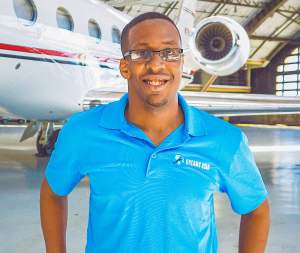
Michael Wildes

Michael Wildes holds a master’s degree in Logistics & Supply Chain Management, and a bachelor’s degree in Aeronautical Science, both from Embry-Riddle Aeronautical University. Previously, he worked at the university’s flight department as a Flight Check Airman, Assistant Training Manager, and Quality Assurance Mentor. He holds MEI, CFI & CFII ratings. Follow Michael on Twitter @Captainwildes.

Ready to Sell Your Aircraft?

List your airplane on AircraftForSale.com and reach qualified buyers.

List Your Aircraft
AircraftForSale Logo | FLYING Logo
Pilot in aircraft
Sign-up for newsletters & special offers!

Get the latest stories & special offers delivered directly to your inbox.

SUBSCRIBE