











Contributing editor Joe Shelton recently wrote about his use of the “turn 10, twist 10” method of flying a DME arc. But with a modern G1000 at the center of his tool set, he learned there is a better way. In fact, all curved courses can become much simpler with a modern navigator and EFIS.
Curved Course Nav

Key Takeaways:
- The article contrasts traditional manual techniques for flying DME arcs (like the "turn 10, twist 10" method) and determining hold entries (using a "thumb trick") with modern electronic methods.
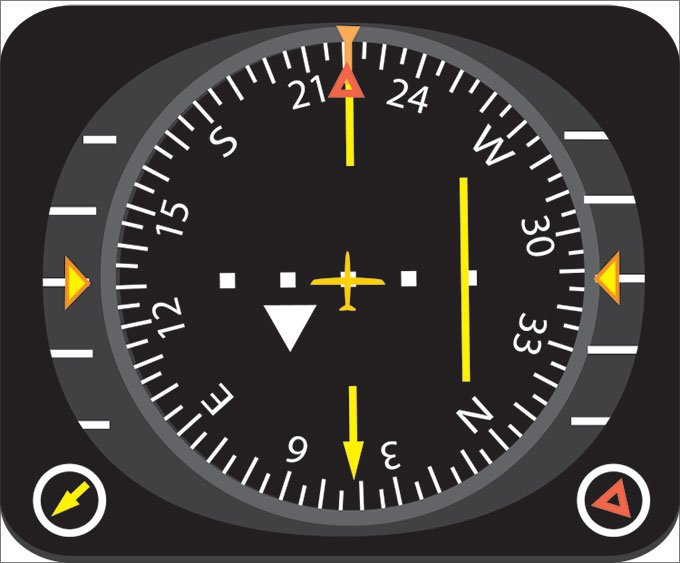
- Modern EFIS/GPS systems significantly simplify flying DME arcs by automatically computing and displaying the precise curved course, offering continuous CDI guidance, and enabling seamless manual or autopilot-coupled navigation.
- While modern navigators assist with holding patterns by guiding the inbound leg and annunciating turns, precise guidance for the outbound leg often still requires pilot management (e.g., using a track pointer) due to the variable nature of holds.
Key takeaways sponsored by Aviator Pro | Start Your Training ->
See a mistake? Contact us.

