











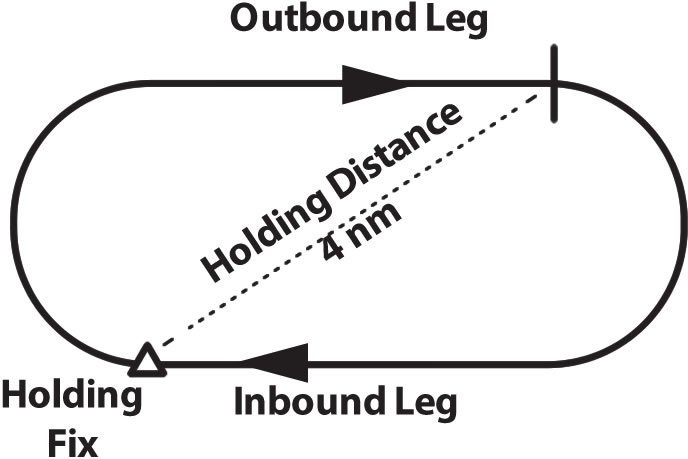


A longstanding corollary to Murphy’s Law asserts that “Interchangeable parts won’t.” So it is when we set out to compare conventional holds to GPS holds. In some respects they can be quite different, and the subtle GPS differences can become suddenly important. Here, then are the ins-and-outs of flying GPS holds.
Consider that there are three phases to any hold: the entry, the execution and maintaining the established hold. I call them the three “E”s. Let’s scrutinize each phase from both conventional and GPS perspectives, then apply that knowledge to some GPS navigators. But, before we dig into that, let’s take a closer look at the difference between a GPS (DME) hold and a conventional holding pattern.

