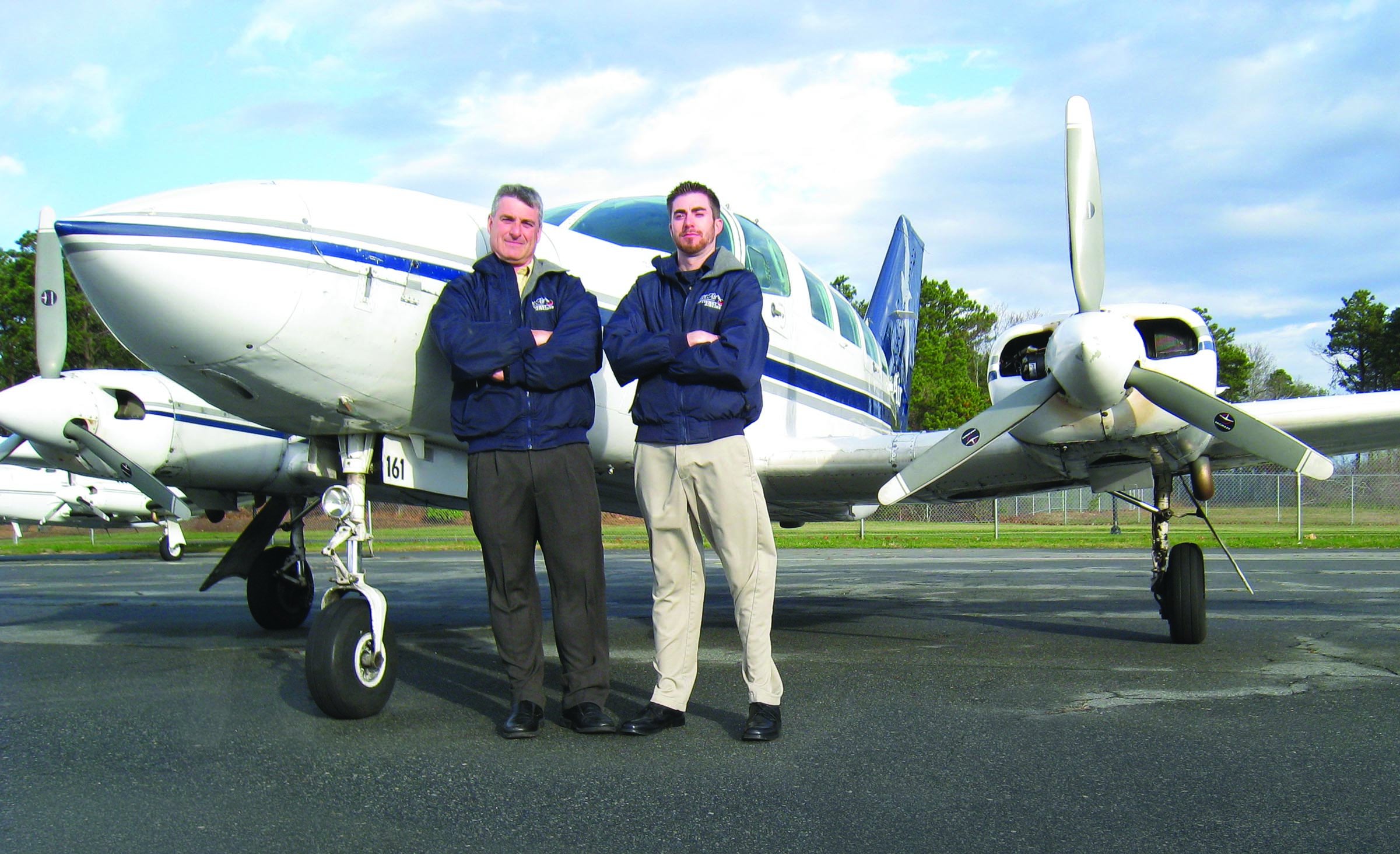
It used to be that newbie, commercial pilots started out in the trial-by-fire world of check-hauling and freight-dogging in piston twins. The pilots that survived (and the majority of them did) understood the realities of single-pilot IFR at a visceral level. Those core skills were the foundation on which airline and jet-charter careers were built.
Cape Air prioritizes selecting pilots from accredited aviation universities (Part 141 programs) who demonstrate strong cockpit discipline, an in-depth understanding of systems and procedures, and a detail-oriented attitude, which significantly reduces training attrition.
Their training regimen heavily relies on standardized "flows"—sequences of actions performed from memory and subsequently verified with a checklist—to ensure speed, consistency, efficiency, and safety in demanding single-pilot IFR operations.
Cape Air cultivates high-performing pilots by emphasizing proactive workload management, anticipating environmental changes, and fostering a hands-on approach to flying, including practices like early flight preparation and maintaining engagement through hand-flying.
It used to be that newbie, commercial pilots started out in the trial-by-fire world of check-hauling and freight-dogging in piston twins. The pilots that survived (and the majority of them did) understood the realities of single-pilot IFR at a visceral level. Those core skills were the foundation on which airline and jet-charter careers were built.
CREATE A FREE ACCOUNT
Sign up to keep reading
Create a free account to continue. Already a member? Sign in below.