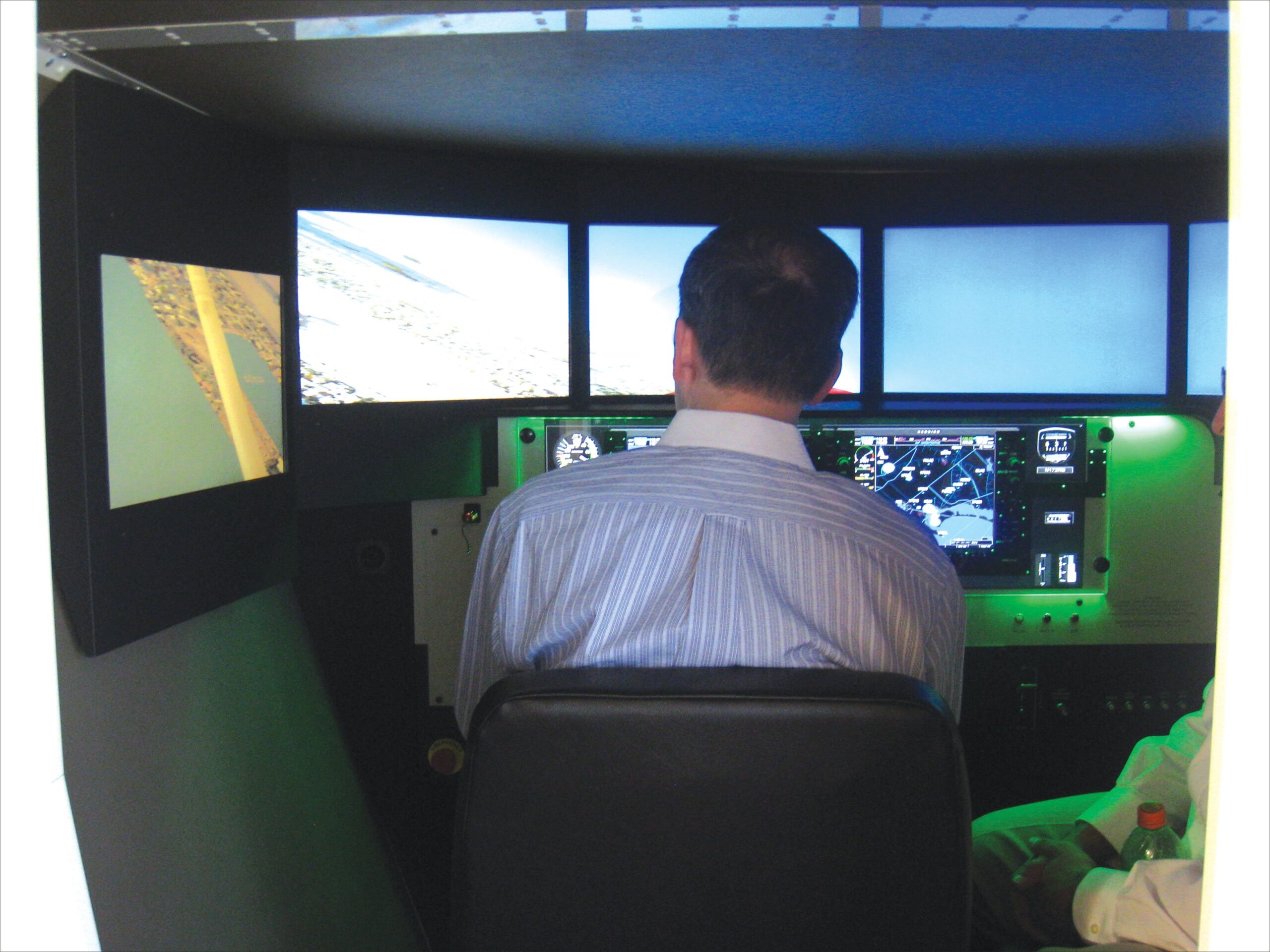
Youre 30 miles out from a night LPV (GPS) approach to Runway 36, with a DA of 250 feet AGL. Winds are 180 at five on the surface with 200 variable 600 ceiling and two miles visibility. Your alternate is an ILS 35 minutes of flying away with 1000 overcast and 10 miles visibility. Youve got 1:20 of fuel.
The primary value of flight simulation, regardless of the device, is to exercise neural pathways for physical, procedural, and problem-solving skills, rather than merely logging hours for currency.
Pilots should prioritize building genuine proficiency through challenging "neural workouts" during practice, whether in a simulator or actual aircraft, allowing legal currency to be a natural byproduct.
An effective IFR training program incorporates a diverse range of tools and a habitual, multi-tiered approach, from weekly mental exercises and on-screen simulations to monthly device practice and seasonal IPC-level sessions.
The pilot's attitude towards simulation is critical; viewing it as an opportunity for skill improvement and challenge rather than a chore significantly enhances its training benefits.
You’re 30 miles out from a night LPV (GPS) approach to Runway 36, with a DA of 250 feet AGL. Winds are 180 at five on the surface with 200 variable 600 ceiling and two miles visibility. Your alternate is an ILS 35 minutes of flying away with 1000 overcast and 10 miles visibility. You’ve got 1:20 of fuel.
CREATE A FREE ACCOUNT
Sign up to keep reading
Create a free account to continue. Already a member? Sign in below.